Classification and Composition of Powdered Mortar Pneumatic Conveying Systems
Release time:2026-09-14 10:39:00
name of the company:Shandong Headpowder Engineering Co., Ltd.
telephone:156-6277-7102
contacts:Zhang manager
HeadPowder, a leading enterprise based in Shandong, China, specializes in the design, manufacturing, and supply of advanced pneumatic conveying systems tailored for the transportation of powdered materials, particularly in the construction industry. This article provides an overview of the classification and key components of such systems, offering insights into their functionality and application.
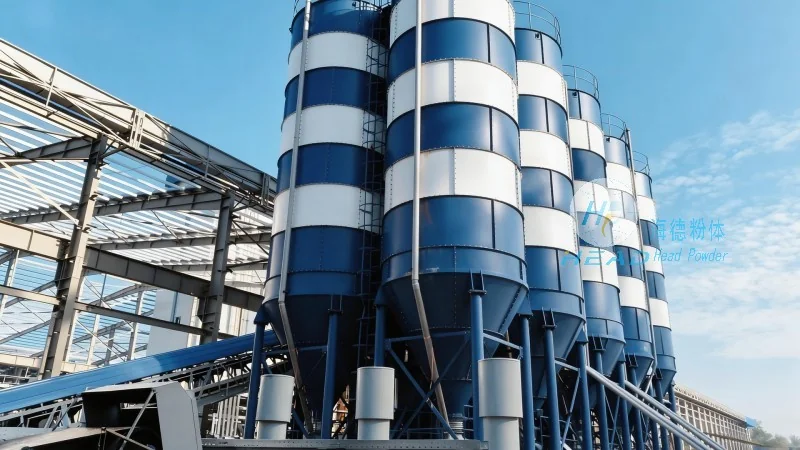
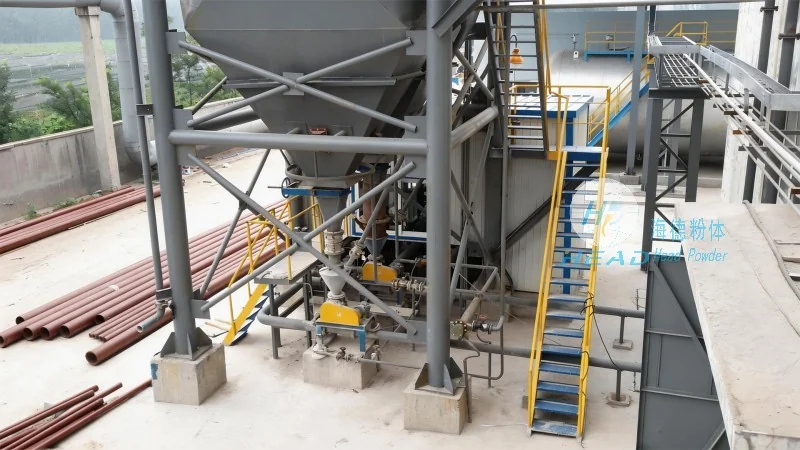
Classification of Pneumatic Conveying Systems
Pneumatic conveying systems for powdered mortar are typically categorized based on the pressure within the system and the method of material transport. The primary classifications include:
- Positive Pressure Systems: These systems operate by blowing air or gas into the material stream, creating a positive pressure environment. They are commonly used for short to medium distance transport and are effective for handling fine powders without causing excessive wear on equipment.
- Negative Pressure (Vacuum) Systems: In these systems, a vacuum is created to draw material from the source. They are suitable for applications requiring gentle handling of materials, such as transporting sensitive or abrasive powders over longer distances.
- Combination Systems: Some advanced systems integrate both positive and negative pressure elements to optimize material flow and reduce energy consumption. These hybrid systems are often used in complex production lines where multiple material handling tasks are required.
Key Components of a Powdered Mortar Pneumatic Conveying System
The effective operation of a pneumatic conveying system for powdered mortar relies on several critical components, each playing a vital role in the overall process. The main components include:
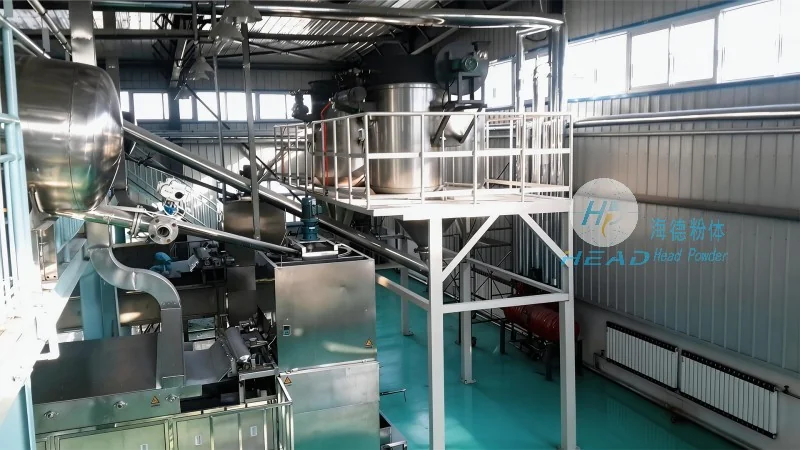
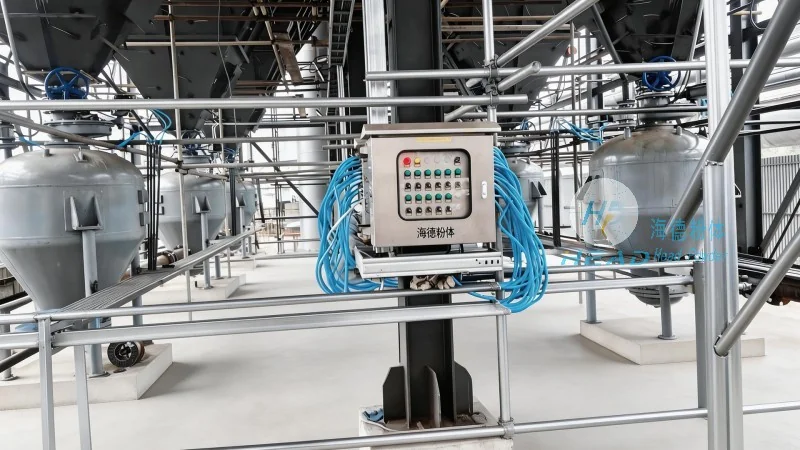
- Material Hopper and Feeder: The hopper serves as the storage container for the powdered mortar, while the feeder regulates the flow of material into the conveying line. Accurate feeding is essential to maintain consistent material velocity and prevent blockages or uneven flow.
- Pneumatic Conveying Line: This is the central part of the system, consisting of pipes or ducts through which the material is transported. The design of the line, including pipe diameter, length, and bends, directly impacts the system's efficiency and material handling capacity.
- Air Supply Unit (Blower or Vacuum Pump): The air supply unit generates the necessary pressure or vacuum to move the material. The choice between a blower (for positive pressure) and a vacuum pump (for negative pressure) depends on the system classification and application requirements.
- Control Valves and Regulators: These components manage the flow of air and material, ensuring smooth operation and preventing pressure surges or material backflow. They are crucial for maintaining system stability and optimizing performance.
- Filter and Dust Collection System: As the material is conveyed, fine particles may be released into the air. The filter and dust collection system captures these particles, ensuring compliance with environmental regulations and maintaining a clean working environment.
- Receiving Hopper and Discharge Valve: The receiving hopper collects the material at the destination, while the discharge valve controls the release of material into the next processing stage or storage area.
Application and Benefits of Pneumatic Conveying Systems
Pneumatic conveying systems are widely used in the construction industry for the efficient and safe transportation of powdered mortar from production facilities to construction sites or storage areas. The benefits of these systems include:




