Flexible coke powder pneumatic conveying systems are specialized industrial solutions developed by Shandong HeadPowder Engineering Co., Ltd. to efficiently handle the unique properties of coke powder in various applications. These systems are engineered to ensure reliable, safe, and efficient material transport, addressing the challenges posed by the fine, abrasive nature of coke powder. The classification and composition of such systems are fundamental to understanding their functionality and suitability for industrial processes.
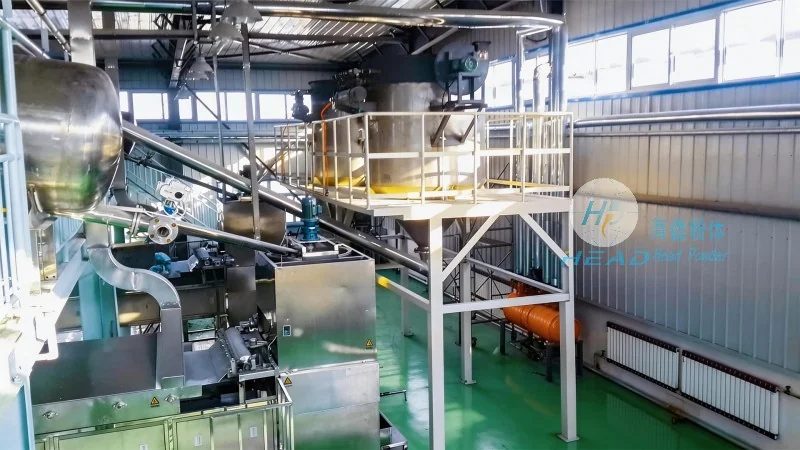
Key Components of Flexible Coke Powder Pneumatic Conveying Systems
The core components of a flexible coke powder pneumatic conveying system typically include a material feed hopper, a flexible hose or tube system, a blower or air compressor, a control valve, and a discharge outlet. The feed hopper is responsible for storing and feeding the coke powder into the system, ensuring a consistent flow rate. The flexible hose or tube is a crucial element, as it allows for the flexible routing of the conveying line, adapting to the layout of the industrial facility. The blower or air compressor provides the necessary air pressure to move the coke powder through the system, with options ranging from positive displacement blowers to rotary lobe compressors depending on the system's requirements. The control valve regulates the air flow and pressure, enabling precise control over the conveying process. Finally, the discharge outlet delivers the coke powder to its final destination, such as a storage silo or processing unit.
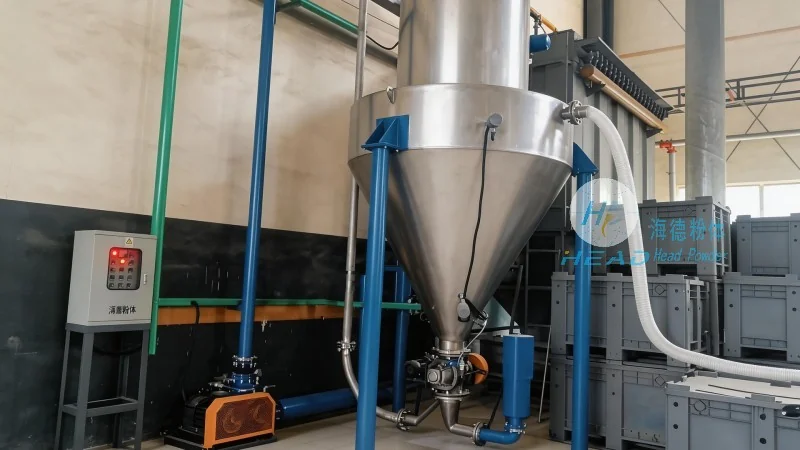
Classification of Flexible Coke Powder Pneumatic Conveying Systems
Flexible coke powder pneumatic conveying systems can be classified based on several key factors, including the conveying method, the type of material handling equipment, and the system's capacity. The primary classification is often based on the conveying principle, which can be either pressure or vacuum-based. Pressure systems use a blower to push air and material through the system, while vacuum systems use a vacuum pump to draw material into the system. Another classification is based on the type of hose or tube used, such as flexible rubber hoses, metal hoses, or composite hoses, each offering different levels of durability and flexibility. Additionally, systems can be classified by their capacity, ranging from small-scale systems for laboratory or pilot applications to large-scale systems for industrial production lines. The choice of classification depends on the specific requirements of the industrial process, including the volume of material to be conveyed, the distance between the feed and discharge points, and the desired level of control over the conveying process.
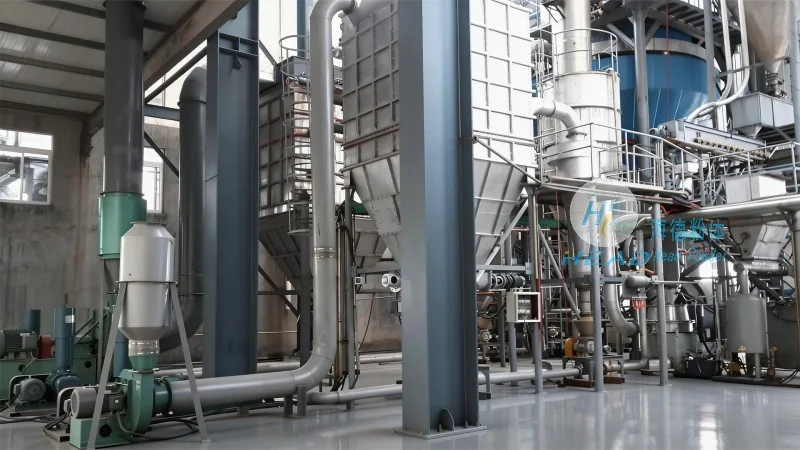
System Design Considerations for Flexible Coke Powder Pneumatic Conveying
The design of a flexible coke powder pneumatic conveying system involves careful consideration of several factors to ensure optimal performance and longevity. Material selection is a critical aspect, as the components must be resistant to the abrasive and corrosive properties of coke powder. For example, the feed hopper and discharge outlet may be constructed from stainless steel or other corrosion-resistant materials to prevent wear and tear. The flexible hose or tube must also be selected based on its durability and resistance to the material being conveyed. In some cases, composite hoses with reinforced inner linings are used to enhance their lifespan. Air flow management is another important consideration, as the system must maintain a consistent air pressure and flow rate to prevent material blockages or air leaks. Proper maintenance and cleaning procedures are also essential to ensure the system operates efficiently over time. Regular inspection of the hose, valve, and blower components is recommended to identify and address any issues before they lead to system failure. Additionally, the system's layout should be designed to minimize the number of bends and changes in direction, as these can increase the risk of material buildup and reduce the overall efficiency of the conveying process.
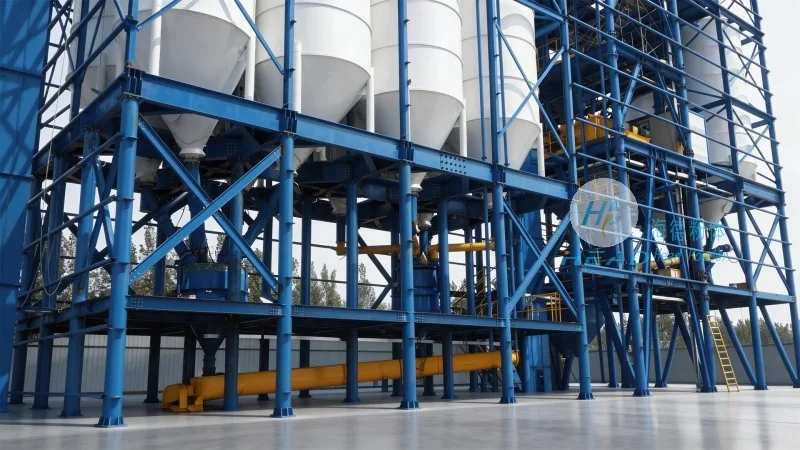
Applications of Flexible Coke Powder Pneumatic Conveying Systems
Flexible coke powder pneumatic conveying systems are widely used in various industrial applications where the efficient transport of coke powder is required. These systems are commonly employed in the steel industry, where coke is used as a fuel and reducing agent in blast furnaces. The systems help transport coke from storage silos to the blast furnace, ensuring a continuous and reliable supply of material. In the chemical industry, coke powder is used as a raw material in the production of various chemicals, and flexible pneumatic conveying systems are used to transport it from storage to processing units. Additionally, these systems are used in the cement industry for transporting coke as a fuel in cement kilns. The flexibility of the system allows for easy integration into existing industrial facilities, adapting to the layout and space constraints of the plant. The systems are also suitable for applications where the material needs to be conveyed over long distances or through complex layouts, as the flexible hose or tube can be routed around obstacles and through different levels of the facility.




