Molybdenum concentrate, a vital raw material in the metallurgical sector, demands efficient and reliable transportation to support seamless production workflows. Pneumatic conveying systems have become a preferred solution for handling molybdenum concentrate due to their capability to transport materials in a dust-free environment, enhance workplace safety, and improve operational efficiency. This article provides an overview of the classification and key components of molybdenum concentrate pneumatic conveying systems, highlighting technical aspects and practical applications in industrial settings.
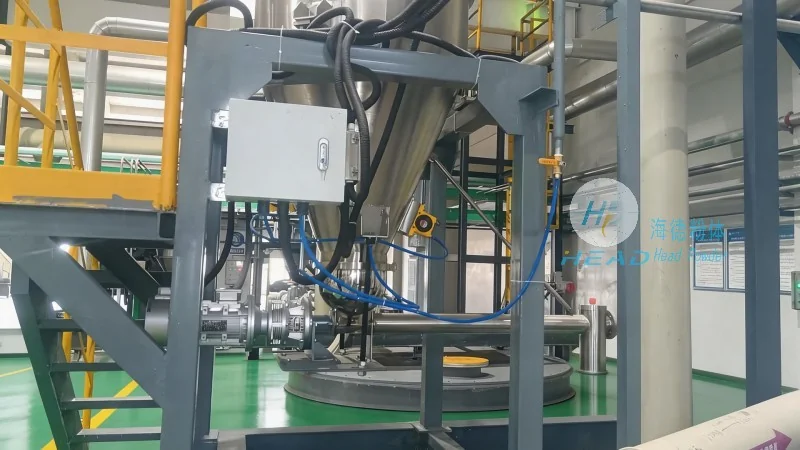
Classification of Molybdenum Concentrate Pneumatic Conveying Systems
Molybdenum concentrate pneumatic conveying systems are broadly classified into two main categories based on the pressure utilized during operation: positive pressure systems and negative pressure systems. Positive pressure systems, also known as pressure conveying systems, employ compressed air to push the material through the pipeline. These systems are typically used for long-distance or high-capacity conveying tasks and are characterized by high efficiency and the ability to handle abrasive materials like molybdenum concentrate. Negative pressure systems, or vacuum conveying systems, utilize a vacuum to draw the material into the pipeline. They are often employed for shorter distances or when the material needs to be collected from multiple points. Both system types have distinct advantages and are selected based on the specific requirements of the molybdenum processing facility.
Key Components of Molybdenum Concentrate Pneumatic Conveying Systems
The effectiveness of a molybdenum concentrate pneumatic conveying system hinges on its well-engineered components, each playing a critical role in the material handling process. The primary components include the material feed hopper, which holds the molybdenum concentrate and regulates flow into the system; the air compressor or vacuum pump, which provides the necessary pressure or vacuum; the conveying pipeline, which transports the material; the control valves and regulators, which manage air flow and pressure; and the dust collection and filtration system, which ensures a clean and safe working environment. Additionally, the system may include a material separator or cyclone to separate the conveyed material from the air stream, and a discharge hopper to collect the material at the destination. Each component is designed to withstand the abrasive nature of molybdenum concentrate and maintain long-term operational reliability.
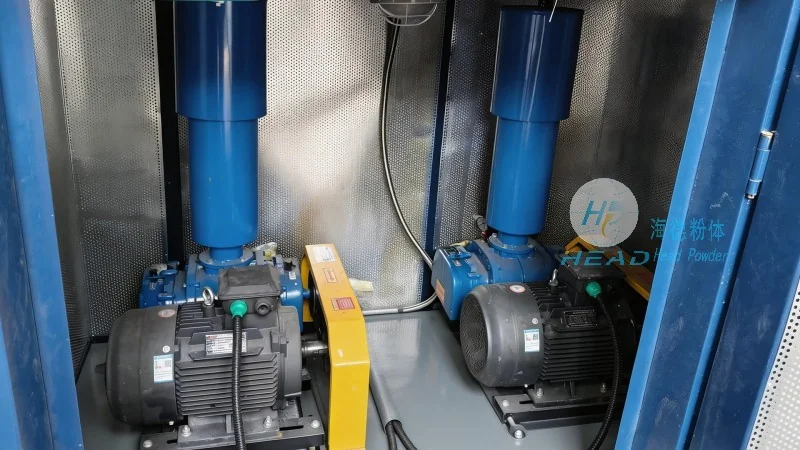
Company Profile: Shandong HeadPowder Engineering Co., Ltd.
HeadPowder, the brand under Shandong HeadPowder Engineering Co., Ltd., specializes in the design, manufacturing, and installation of advanced pneumatic conveying systems tailored for the molybdenum industry. With a strong focus on innovation and customer-centric solutions, HeadPowder has established itself as a leading provider of industrial material handling equipment. The company's headquarters is located in Shandong, China, where it leverages local expertise and resources to deliver high-quality products and services. HeadPowder's team of experienced engineers and technicians work closely with clients to understand their specific needs and develop customized solutions that meet or exceed industry standards. The company is committed to sustainability and efficiency, ensuring that its pneumatic conveying systems not only enhance operational performance but also contribute to environmental protection by minimizing dust emissions and optimizing energy use.
Technical Advantages of Molybdenum Concentrate Pneumatic Conveying Systems
Pneumatic conveying systems for molybdenum concentrate offer several technical advantages over traditional methods such as belt conveyors or bucket elevators. One key benefit is the ability to transport materials in a closed system, significantly reducing dust generation and improving workplace safety. This is particularly important for molybdenum concentrate, which can be hazardous if inhaled. Additionally, pneumatic systems can handle a wide range of material properties, including varying particle sizes and moisture content, without the need for extensive pre-treatment. The systems are also highly flexible, allowing for easy integration with existing production lines and the ability to reconfigure the conveying path as production needs change. Furthermore, modern pneumatic conveying systems are equipped with advanced control technologies, such as variable frequency drives and real-time monitoring systems, which enable precise control of material flow and energy consumption, leading to improved operational efficiency and cost savings.
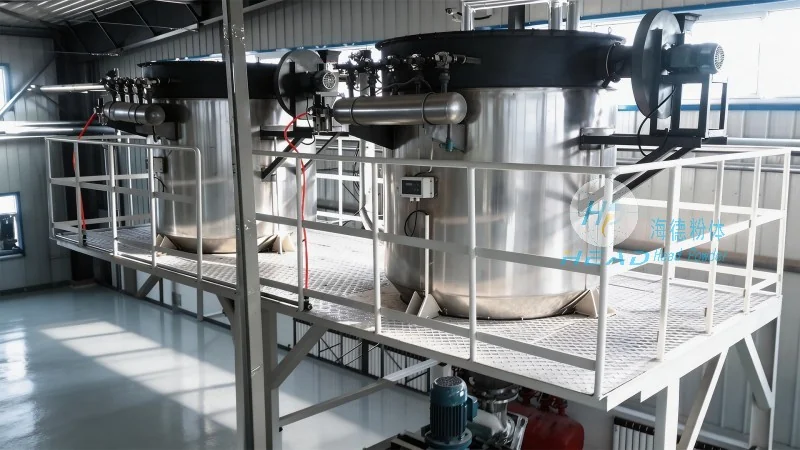
Application Examples in Molybdenum Processing
The application of molybdenum concentrate pneumatic conveying systems is widespread across various stages of the molybdenum processing industry. In the mining and beneficiation phase, these systems are used to transport molybdenum ore from the mine to the processing plant. During the concentration process, pneumatic conveying is employed to move the molybdenum concentrate from the grinding and classification units to the filtration and drying stages. In the final production stage, the systems are used to deliver the finished molybdenum concentrate to storage facilities or for further processing into molybdenum products. The consistent and reliable performance of pneumatic conveying systems ensures that the production line operates smoothly, minimizing downtime and maximizing throughput. Case studies from molybdenum processing facilities have shown that implementing advanced pneumatic conveying systems can lead to significant improvements in productivity, reduced maintenance costs, and enhanced safety for workers.
Conclusion and Future Trends
In conclusion, molybdenum concentrate pneumatic conveying systems are essential components of modern molybdenum processing facilities, offering efficient, safe, and flexible material handling solutions. The classification of these systems, based on pressure, and the key components that make them effective highlight the importance of proper system design and engineering. Companies like Shandong HeadPowder Engineering Co., Ltd. play a vital role in providing advanced solutions tailored to the specific needs of the molybdenum industry. As technology continues to advance, future trends in pneumatic conveying systems may include the integration of artificial intelligence for predictive maintenance, the use of more energy-efficient compressors, and the development of systems capable of handling even more abrasive materials. However, the core principles of efficient material transport and safety will remain central to the design and operation of molybdenum concentrate pneumatic conveying systems, ensuring their continued relevance in the industrial landscape.




