Principle and Working Scene Characteristics of Calcium Carbide Slag Powder Pneumatic Conveying Line
Release time:2026-09-19 18:01:34
name of the company:Shandong Headpowder Engineering Co., Ltd.
telephone:156-6277-7102
contacts:Zhang manager
HeadPowder, a leading engineering firm based in Shandong, China, specializes in the design and implementation of advanced pneumatic conveying systems tailored for calcium carbide slag powder. This article delves into the fundamental principles underlying such systems and highlights the key working scene characteristics that define their operational efficiency and reliability.
The Principle of Pneumatic Conveying for Calcium Carbide Slag Powder
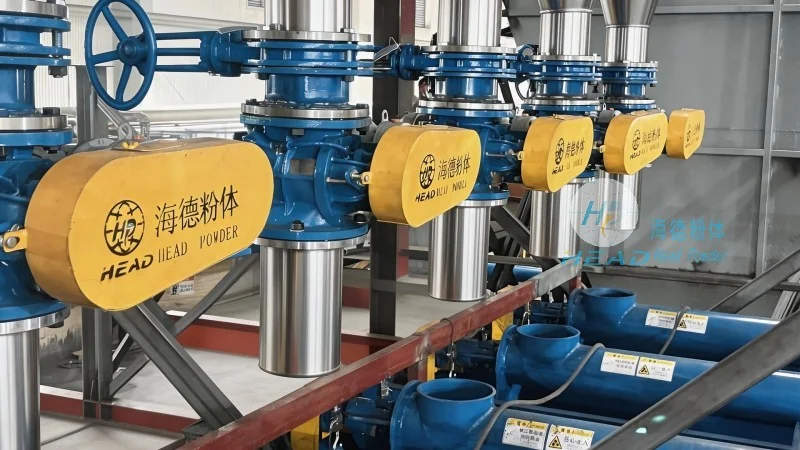
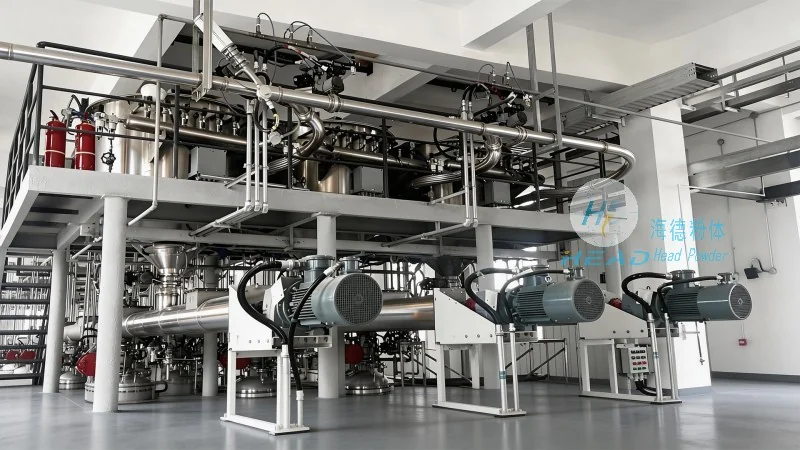
The core mechanism of a pneumatic conveying line for calcium carbide slag powder involves the use of compressed air to transport dry powders through a pipeline network. The system typically comprises a feeding hopper, a rotary valve for controlled material discharge, a venturi or pressure drop device to accelerate the air-powder mixture, and a receiver or discharge hopper at the destination. The process begins with the powder being fed into the system from the hopper, where it is then introduced into the pipeline via the rotary valve. Compressed air, often supplied by a blower or compressor, is introduced at the inlet of the venturi, creating a low-pressure zone that draws the powder particles into the air stream. This air-powder mixture travels through the pipeline to the receiving end, where the air is separated from the powder using a cyclone or filter, and the powder is collected in the receiver. The air is then discharged to the atmosphere or recirculated, depending on the system design. This method eliminates the need for mechanical components like belts or buckets, reducing maintenance requirements and enhancing safety by minimizing direct human contact with the material.
Working Scene Characteristics of Calcium Carbide Slag Powder Pneumatic Conveying Lines
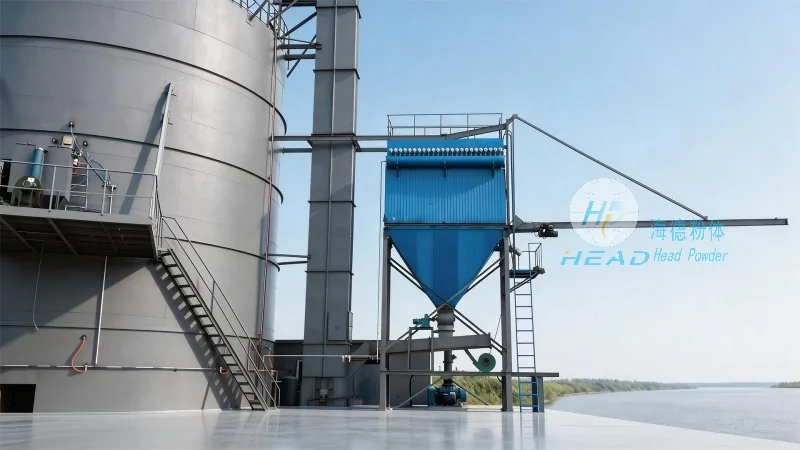
The operational characteristics of calcium carbide slag powder pneumatic conveying systems are tailored to the specific demands of industrial applications. These systems are commonly employed in scenarios where the material is generated at a source point and needs to be transported to a processing or disposal facility. For instance, in steel manufacturing plants, calcium carbide slag is produced as a byproduct of the production process and must be efficiently conveyed to storage or treatment areas. The working scene typically involves a continuous or batch operation, depending on the production rate, with the system designed to handle varying flow rates and material characteristics. The key characteristics include high efficiency in material transport, as the pneumatic method can achieve long-distance transport with minimal energy loss compared to traditional methods like bucket elevators or conveyor belts. Additionally, the system offers flexibility in layout, allowing for complex pipeline configurations to navigate around obstacles or integrate with existing infrastructure. Another critical characteristic is the ability to handle abrasive or corrosive materials, which is essential for calcium carbide slag due to its potential to cause wear on equipment. The design of the conveying line, including the selection of materials for the pipeline and components, is crucial to ensure durability and longevity under such conditions. Furthermore, the system's ability to operate in a closed environment helps maintain safety standards by preventing dust emissions and ensuring a controlled working environment. The working scene also emphasizes the importance of system maintenance and monitoring, as regular checks on air pressure, flow rates, and component wear are necessary to maintain optimal performance and prevent downtime.




