

What is a Ton Bag and Broken Bag Material Pneumatic Conveying Line? Exploring Design Principles
When it comes to handling bulk materials efficiently, especially those that come in large ton bags or are prone to bag breakage, pneumatic conveying systems offer a reliable solution. These systems are designed to transport materials like powders, granules, and other bulk solids from one location to another using air as the conveying medium. In this context, the ton bag and broken bag material pneumatic conveying line is a specialized setup that addresses the unique challenges of processing materials that are packaged in large bags, often leading to broken or torn bags during handling.
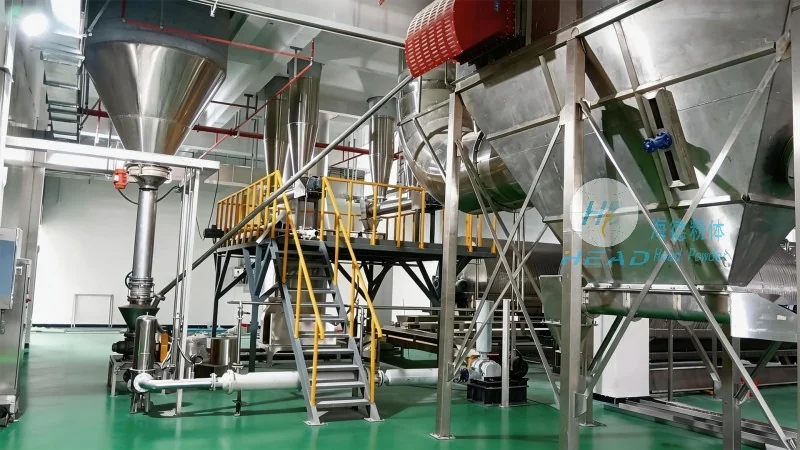
Introduction to Ton Bag and Broken Bag Material Pneumatic Conveying Lines
HeadPowder, a leading engineering company based in Shandong, China, specializes in the design and implementation of advanced material handling solutions. The ton bag and broken bag material pneumatic conveying line is a key product in their portfolio, tailored to meet the demands of industries such as food processing, pharmaceuticals, chemicals, and mining. This system is particularly useful when dealing with bulk materials that are sensitive to moisture, contamination, or require a dust-free environment for processing.
Key Components of the Pneumatic Conveying System
The ton bag and broken bag material pneumatic conveying line consists of several critical components that work in tandem to ensure efficient material transport. The primary components include a hopper or feeder to collect material from the ton bags, a rotary valve or feeder to control the flow of material, a conveying pipeline, a dust collector or filter to capture airborne particles, and a receiver or discharge point where the material is deposited. Each component plays a vital role in maintaining the integrity of the material and ensuring a smooth conveying process.
Design Principles for Efficient Material Handling
The design of a ton bag and broken bag material pneumatic conveying line is based on several fundamental principles to maximize efficiency and minimize operational issues. One of the key principles is the use of positive pressure or negative pressure systems, depending on the material's properties and the distance to be conveyed. Positive pressure systems are commonly used for short to medium distances, where air is blown through the pipeline to push the material forward. Negative pressure systems, on the other hand, are suitable for longer distances or when the material is sensitive to air exposure, as they draw the material into the pipeline using suction.
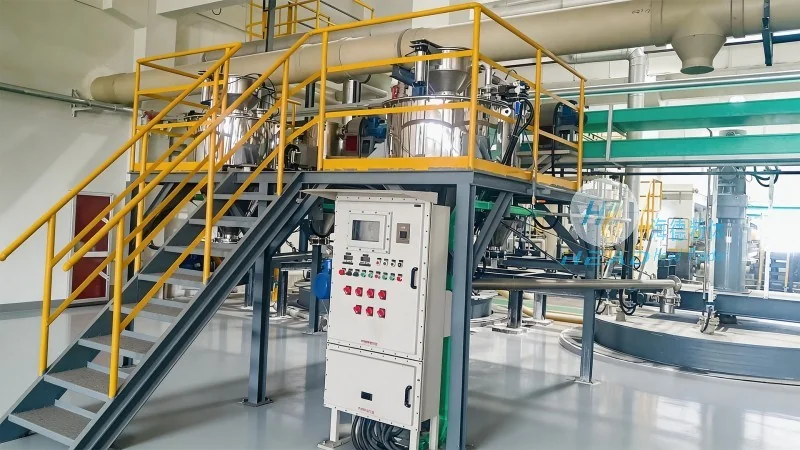
Another crucial design principle is the selection of the appropriate conveying velocity and pipeline diameter. The velocity must be high enough to prevent material settling or clogging but low enough to avoid excessive wear on the pipeline and components. The pipeline diameter is determined based on the material's flow characteristics, such as its bulk density and particle size, to ensure smooth flow and minimize pressure drop. Additionally, the system incorporates features like bag openers or breakers to handle ton bags that may be damaged during handling, allowing the material to be fed into the conveying system without manual intervention.
Advantages of Using a Ton Bag and Broken Bag Material Pneumatic Conveying Line
Implementing a ton bag and broken bag material pneumatic conveying line offers numerous advantages for industrial operations. Firstly, it significantly reduces labor costs by automating the material handling process, eliminating the need for manual loading and unloading of ton bags. This not only improves operational efficiency but also enhances workplace safety by minimizing exposure to heavy lifting and potential hazards associated with broken bags. Secondly, the system ensures a consistent and controlled flow of material, which is essential for processes that require precise material dosing or blending.
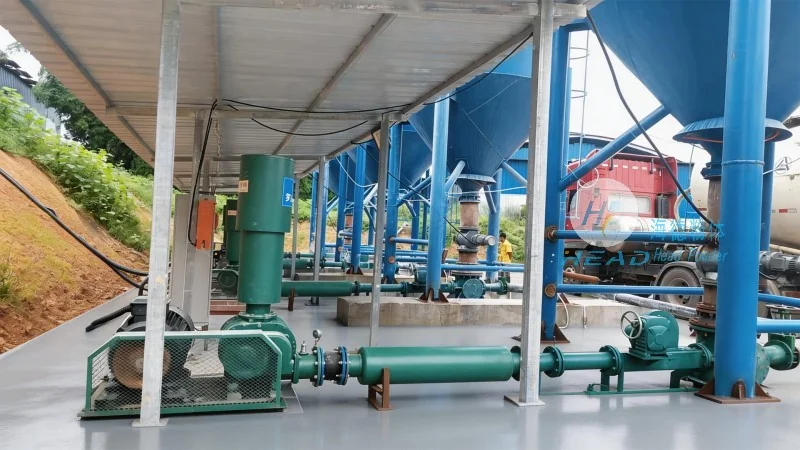
Furthermore, the pneumatic conveying line helps maintain a clean and hygienic environment, which is critical in industries like food and pharmaceuticals. By using sealed pipelines and dust collectors, the system prevents contamination from external sources and reduces dust emissions, thereby meeting stringent regulatory requirements. The ability to handle broken or damaged bags also minimizes material loss, as the system can process the entire contents of a ton bag without discarding any material due to packaging issues.
Customization and Integration with Existing Systems
HeadPowder understands that each industrial application has unique requirements, and therefore, they offer customized solutions for ton bag and broken bag material pneumatic conveying lines. The company works closely with clients to assess their specific needs, such as the type of material, conveying distance, and operational environment, to design a system that is tailored to their requirements. The systems can be integrated with existing equipment, such as silos, mixers, or processing units, to create a seamless material handling workflow. This integration ensures that the conveying line operates in harmony with the rest of the production process, maximizing overall efficiency and productivity.
Conclusion
In conclusion, the ton bag and broken bag material pneumatic conveying line is a sophisticated and efficient solution for handling bulk materials that are packaged in large ton bags or are prone to bag breakage. Designed with precision and built to withstand the demands of industrial operations, this system offers numerous benefits, including improved efficiency, enhanced safety, and reduced material loss. HeadPowder, with its expertise in engineering and material handling, provides reliable solutions that help industries streamline their operations and achieve their production goals. By leveraging the design principles and components discussed, businesses can optimize their material handling processes and stay competitive in their respective markets.