

What is a Fermentation Powder Material Pneumatic Conveying Line? What are its Design Principles?
For industrial operations involving the handling of fermentation powders, efficient and reliable material transport is crucial. A fermentation powder material pneumatic conveying line is a specialized system designed to move these powders from one location to another within a production facility. This system utilizes compressed air or other gases to transport the powder through a network of pipes, ensuring a clean, dust-free, and controlled transfer process. The design of such a line is critical to its performance, as it directly impacts the efficiency, safety, and overall operational effectiveness of the production process. Shandong HeadPowder Engineering Co., Ltd., a leading manufacturer in this field, specializes in designing and supplying high-quality pneumatic conveying systems tailored to the unique needs of the fermentation industry.
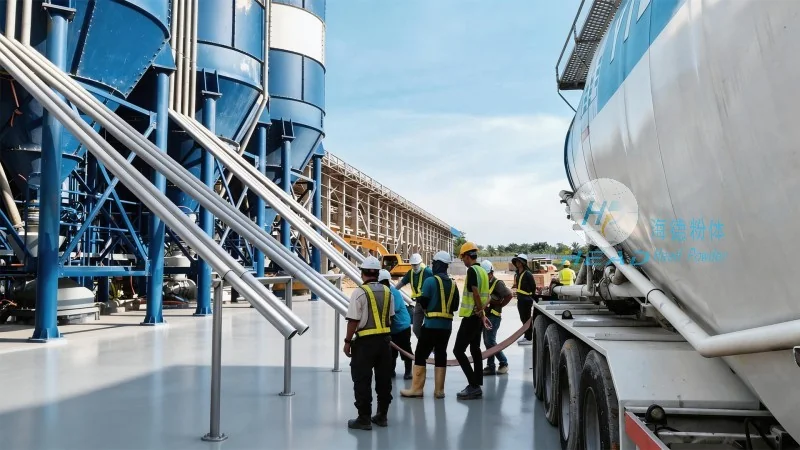
Understanding the Core Components of a Pneumatic Conveying System
At the heart of a fermentation powder material pneumatic conveying line are several key components that work in tandem to achieve the desired material transport. The primary components include the material feed hopper, which holds the fermentation powder and regulates its flow into the system; the air compressor or blower, which generates the necessary air pressure to move the powder; the conveying line itself, typically made of stainless steel or other corrosion-resistant materials to handle the powder's properties; and the discharge hopper or collection vessel, where the powder is deposited at its destination. Each component must be carefully selected and integrated to ensure optimal performance and longevity.
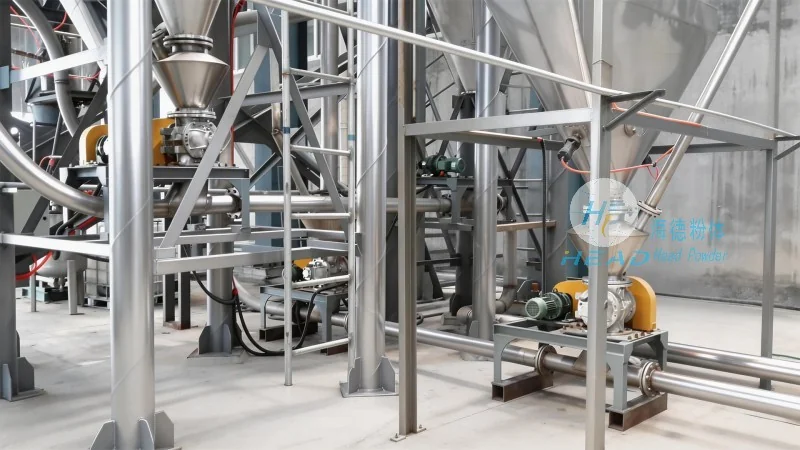
Design Principles for Optimal Performance
The design principles of a fermentation powder material pneumatic conveying line are centered on several key factors, including the powder's physical properties, the required transport distance, and the desired flow rate. The system's design must account for the powder's density, particle size, and flowability, as these characteristics influence the air velocity and pressure needed for effective transport. For example, finer powders may require higher air velocities to prevent clogging or segregation, while coarser powders might need lower velocities to maintain a stable flow. The conveying line's diameter and length are also critical, as they directly affect the system's pressure drop and energy consumption. Engineers typically use computational fluid dynamics (CFD) and empirical formulas to model the system and optimize these parameters for the specific powder being handled.
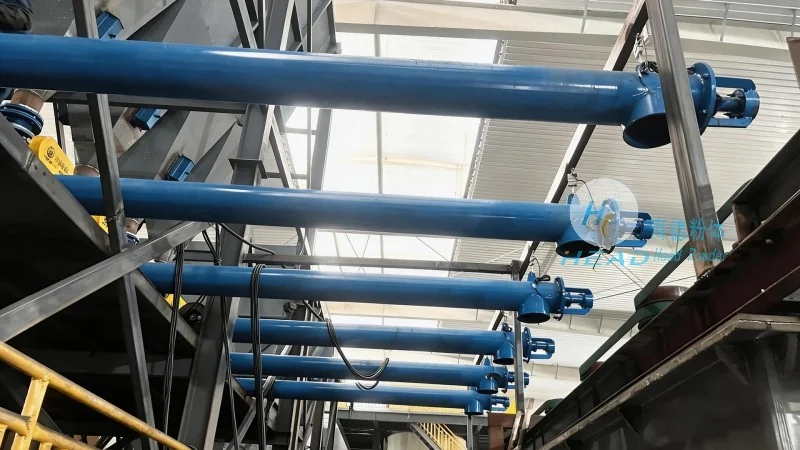
Advantages of Using a Pneumatic Conveying Line for Fermentation Powders
Implementing a pneumatic conveying line for fermentation powders offers numerous advantages over traditional methods like belt conveyors or bucket elevators. One of the most significant benefits is the ability to maintain a closed system, which prevents dust contamination and exposure to the environment, ensuring product quality and worker safety. This is particularly important for fermentation powders, which may be sensitive to moisture or contamination. Additionally, pneumatic conveying systems are more flexible and can be easily reconfigured to accommodate changes in production volume or layout. They also require less space compared to other bulk material handling solutions, making them ideal for facilities with limited floor space. The system's ability to handle powders with varying properties, such as those with high moisture content or sticky characteristics, further enhances its versatility.
Applications in the Fermentation Industry
Fermentation powder material pneumatic conveying lines are widely used in various stages of the fermentation process, from raw material handling to product packaging. In the initial stages, the system can transport raw ingredients like sugars, starches, or yeast into the fermentation tanks. During the fermentation process, it may be used to transfer the fermented product from the tanks to downstream processing equipment, such as filtration or drying units. The line can also handle spent fermentation broth or waste materials, ensuring a seamless and efficient flow of materials throughout the production cycle. By integrating a pneumatic conveying system, manufacturers can streamline their operations, reduce downtime, and improve overall productivity.
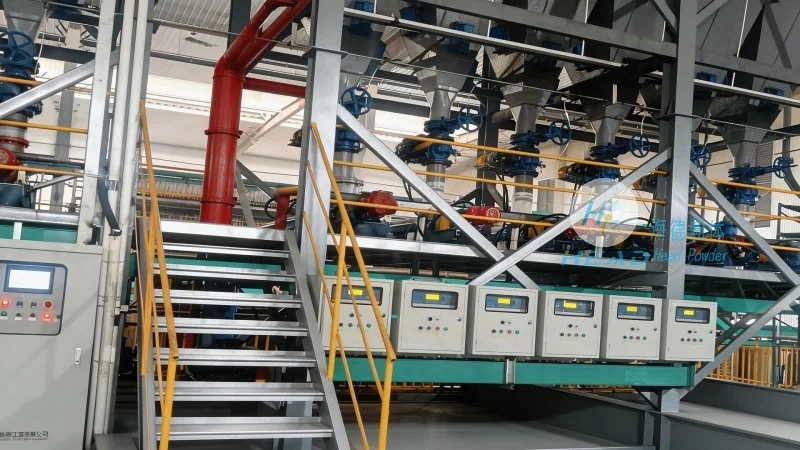
Key Considerations for Design and Installation
When designing and installing a fermentation powder material pneumatic conveying line, several factors must be carefully considered to ensure the system operates efficiently and reliably. First, the material of construction is critical, as the conveying line must be resistant to corrosion and chemical attack from the fermentation powder. Stainless steel is commonly used due to its durability and resistance to contamination. Second, the system's pressure and flow rate must be matched to the specific powder's properties to avoid issues like clogging or excessive energy consumption. Third, the system should include appropriate safety features, such as pressure relief valves and dust collection systems, to prevent accidents and maintain a safe working environment. Finally, regular maintenance and monitoring are essential to ensure the system's long-term performance and to identify any potential issues before they become major problems.