

What is a Gypsum Powder and Ash Pneumatic Conveying Line? What Are Its Design Principles?
Understanding the Gypsum Powder and Ash Pneumatic Conveying Line: Design Principles and Applications
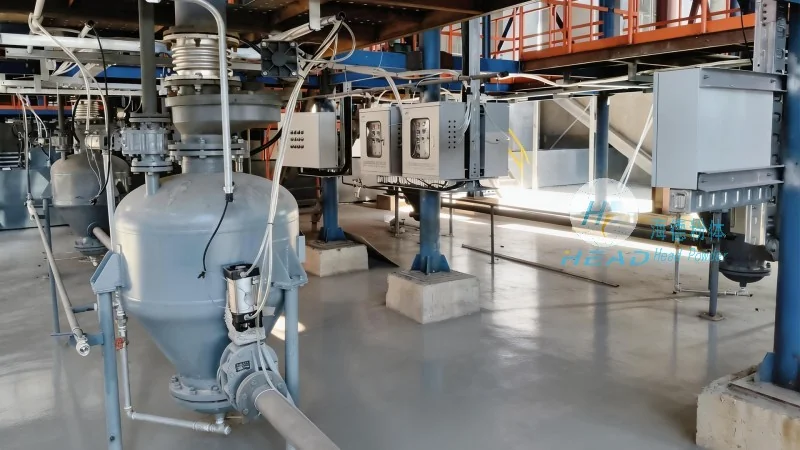
Introduction to Gypsum Powder and Ash Pneumatic Conveying Systems
Gypsum powder and ash pneumatic conveying lines are specialized industrial systems designed to transport fine particulate materials like gypsum powder and ash over long distances with high efficiency and minimal loss. These systems are widely used in industries such as construction, power generation, and waste management due to their ability to handle delicate and abrasive materials while maintaining low maintenance costs. The core of these systems lies in the pneumatic conveying technology, which uses air pressure to move materials through pipelines, eliminating the need for mechanical components like belts or buckets that are common in traditional bulk material handling equipment.
Key Components of a Gypsum Powder and Ash Pneumatic Conveying Line
The design of a gypsum powder and ash pneumatic conveying line typically involves several critical components that work in tandem to ensure smooth material transport. The primary components include a material feeder, a conveying pipeline, a dust separator or filter, and a receiver or discharge unit. The material feeder is responsible for introducing the gypsum powder or ash into the system at a controlled rate, preventing blockages and ensuring consistent flow. The conveying pipeline, often made of stainless steel or other corrosion-resistant materials, is designed to withstand the abrasive nature of the materials being transported. The dust separator or filter is crucial for maintaining air quality and preventing dust emissions, which is essential for compliance with environmental regulations. Finally, the receiver or discharge unit collects the material at the end of the pipeline, allowing for easy handling and storage.
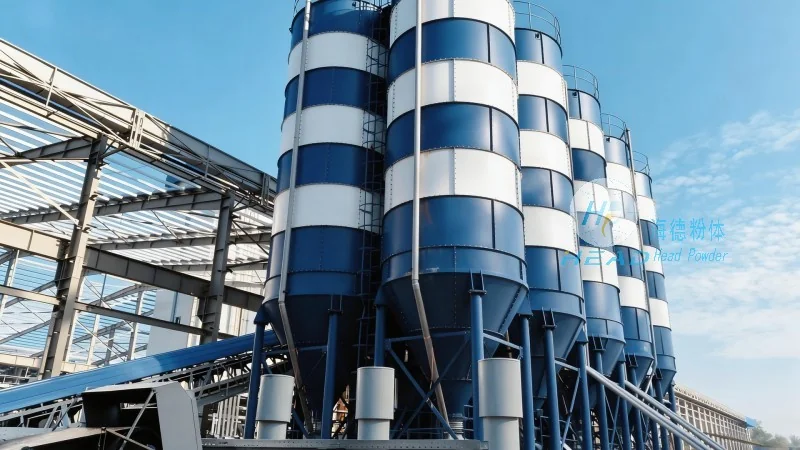
Design Principles for Efficient Gypsum Powder and Ash Conveying
The design principles of a gypsum powder and ash pneumatic conveying line focus on optimizing material flow, minimizing pressure drops, and ensuring system reliability. One of the fundamental principles is the selection of the appropriate air velocity and pressure. The air velocity must be high enough to keep the material suspended in the pipeline but low enough to prevent excessive wear on the equipment. The pressure drop across the system is another critical factor, as it determines the energy consumption and the overall efficiency of the conveying process. Engineers typically use computational fluid dynamics (CFD) simulations to model the flow behavior and optimize the system design for minimal pressure loss. Additionally, the system design considers the particle size distribution and density of the material, as these properties affect the conveying capacity and the required air flow rate. For gypsum powder and ash, which are typically fine and light, the design often incorporates high-pressure blowers or vacuum pumps to achieve the necessary air movement.
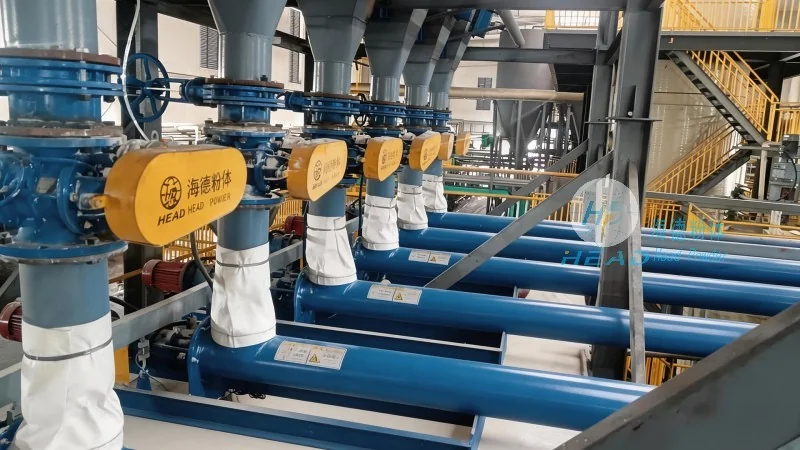
Advantages of Using Pneumatic Conveying for Gypsum and Ash
Compared to traditional mechanical conveying methods, pneumatic conveying offers several advantages for handling gypsum powder and ash. One of the most significant benefits is the ability to transport materials over long distances without the need for intermediate transfer points or elevators. This reduces the overall system complexity and cost. Additionally, pneumatic conveying systems are more flexible, as they can be easily reconfigured or expanded to accommodate changes in production requirements. The enclosed pipeline design also prevents dust contamination and environmental pollution, which is a major concern with loose material handling. Furthermore, the system is less prone to material degradation, as the materials are not exposed to external elements or mechanical stress during transport. These advantages make pneumatic conveying an ideal solution for industries that require reliable and efficient material transport of fine particulate materials like gypsum and ash.
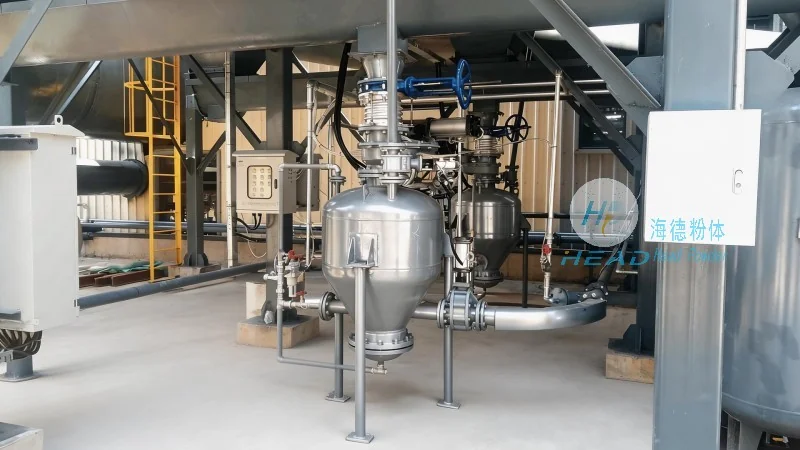
Applications and Industries Using Gypsum Powder and Ash Pneumatic Conveying Lines
Gypsum powder and ash pneumatic conveying lines are utilized in a variety of industrial applications across different sectors. In the construction industry, these systems are commonly used to transport gypsum powder for wallboard production and to handle ash from power plants for recycling or disposal. The power generation industry relies on pneumatic conveying to transport fly ash from boilers to storage facilities or to be used as a raw material in cement production. In waste management, the systems are employed to handle ash from incineration plants, ensuring safe and efficient disposal. The versatility of the system allows it to be adapted to various material characteristics and operational requirements, making it a preferred choice for many industrial applications.
Conclusion: The Importance of Proper Design and Maintenance
In conclusion, gypsum powder and ash pneumatic conveying lines are sophisticated industrial systems that play a crucial role in the efficient handling of fine particulate materials. The design principles, which focus on optimizing material flow, pressure management, and system reliability, are essential for achieving high performance and low maintenance costs. The advantages of pneumatic conveying, including long-distance transport, flexibility, and environmental benefits, make it a superior choice compared to traditional mechanical methods. As industries continue to seek more efficient and sustainable material handling solutions, the importance of properly designed and maintained pneumatic conveying systems will only grow. Companies like Shandong HeadPowder Engineering Co., Ltd., based in China, specialize in the design and manufacturing of such systems, providing tailored solutions to meet the specific needs of their clients in the construction, power, and waste management sectors.