

What is a Paper Chip Material Pneumatic Conveying System? And What Are Its Design Principles?
For industries dealing with paper chip materials, efficient and reliable material handling is crucial. A pneumatic conveying system, specifically designed for paper chip materials, offers a solution that combines technology with practicality. This article explores the concept of a paper chip material pneumatic conveying system and delves into its fundamental design principles, highlighting how such systems enhance operational efficiency and safety in material processing.
Understanding the Paper Chip Material Pneumatic Conveying System
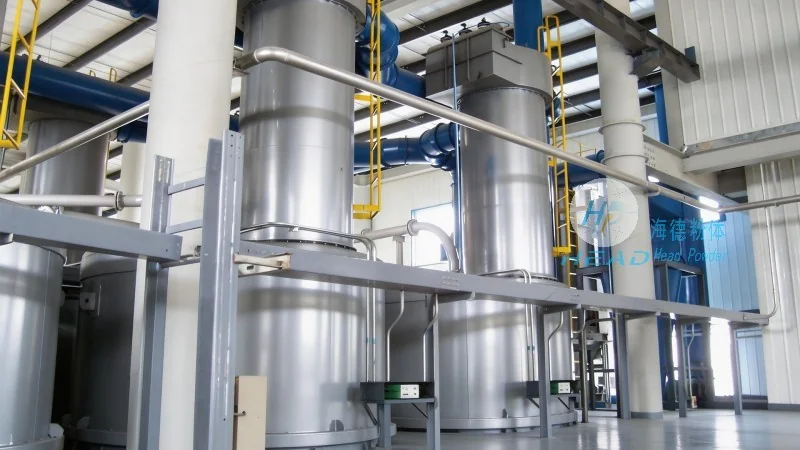
A paper chip material pneumatic conveying system is a type of equipment used to transport paper chips, which are typically the waste or byproducts from paper manufacturing processes, through a pipeline using air or gas as the conveying medium. This system is an essential component in many paper processing facilities, as it allows for the safe and efficient movement of these materials from one location to another without the need for manual handling or traditional mechanical conveyors. Developed by Shandong HeadPowder Engineering Co., Ltd., a company known for its expertise in material handling solutions, such systems combine technology with practicality to meet the demands of modern industrial operations.
The system operates by creating a pressure differential within the pipeline. Air is introduced into the system, either by a blower or a compressor, which generates the necessary force to move the paper chips through the pipeline. The design of the system includes various components such as hoppers, feeders, pipelines, and receivers, each playing a critical role in the overall conveying process. The hoppers are used to store the paper chips, while the feeders control the flow rate into the pipeline. The pipelines are typically made of materials like stainless steel or plastic, chosen for their durability and resistance to the abrasive nature of paper chips. The receivers are where the conveyed material is deposited, completing the transport process.
Key Design Principles of the System
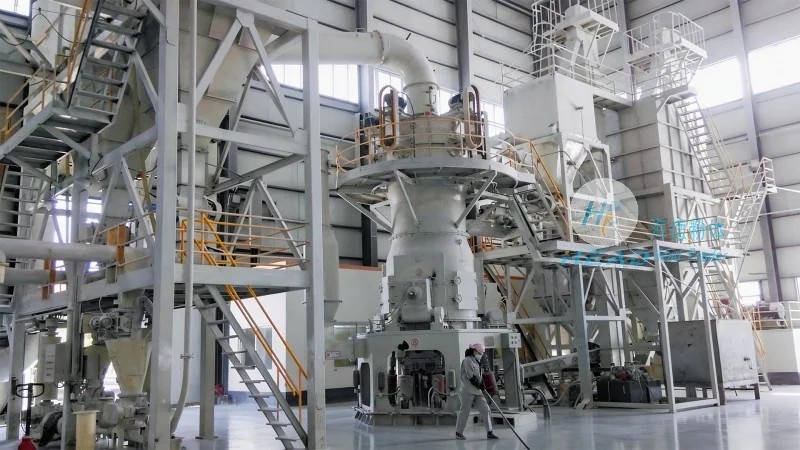
The design of a paper chip material pneumatic conveying system is governed by several key principles that ensure optimal performance and longevity. One of the primary principles is the selection of appropriate air velocity. The air velocity must be high enough to overcome the resistance of the paper chips in the pipeline but not so high as to cause excessive wear on the system components or lead to particle degradation. Engineers typically calculate the required air velocity based on the specific characteristics of the paper chips, such as their size, density, and moisture content.
Another critical design principle is the consideration of system pressure. Pneumatic conveying systems can operate under either positive pressure or negative pressure (or a combination of both). Positive pressure systems are more common for long-distance or high-volume conveying, as they provide consistent air flow and can handle larger quantities of material. Negative pressure systems, on the other hand, are often used for shorter distances or when the material needs to be transported from a higher elevation to a lower one. The choice of pressure system depends on the specific application and the layout of the facility.
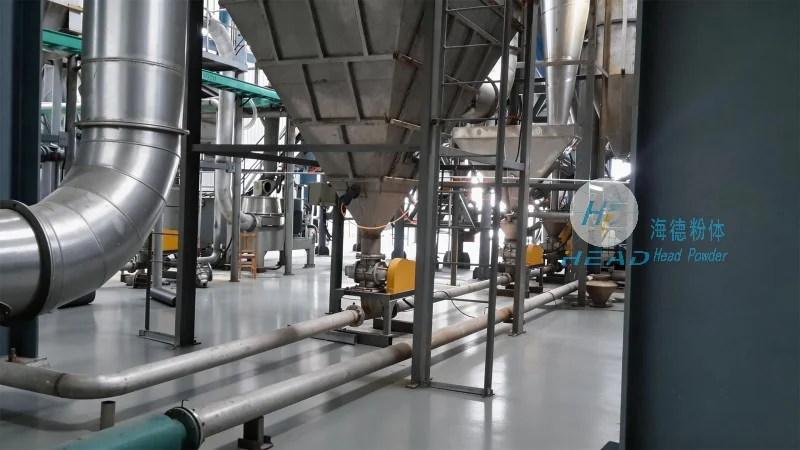
Material selection for the system components is also a vital design consideration. The pipelines, hoppers, and other parts of the system must be made from materials that can withstand the abrasive and corrosive effects of paper chips. Stainless steel is a popular choice due to its durability and resistance to wear and corrosion. Plastic components may also be used in certain parts of the system, particularly where the material is less abrasive or where cost is a factor. The design also includes features such as smooth interior surfaces to minimize friction and reduce the risk of material buildup or blockages.
Benefits of Implementing a Pneumatic Conveying System for Paper Chips
Adopting a paper chip material pneumatic conveying system offers numerous benefits for industrial operations. One of the most significant advantages is the improvement in safety. By eliminating the need for manual handling of paper chips, the system reduces the risk of workplace accidents, such as cuts or inhalation of dust particles. This not only protects the workforce but also helps in maintaining compliance with occupational health and safety regulations.
Efficiency is another major benefit. Pneumatic conveying systems can transport paper chips over long distances with minimal energy consumption compared to traditional mechanical conveyors. The system's ability to handle large volumes of material quickly and continuously enhances production throughput, allowing facilities to meet higher demand without increasing labor costs. Additionally, the system's compact design requires less floor space, making it suitable for facilities with limited room for equipment.
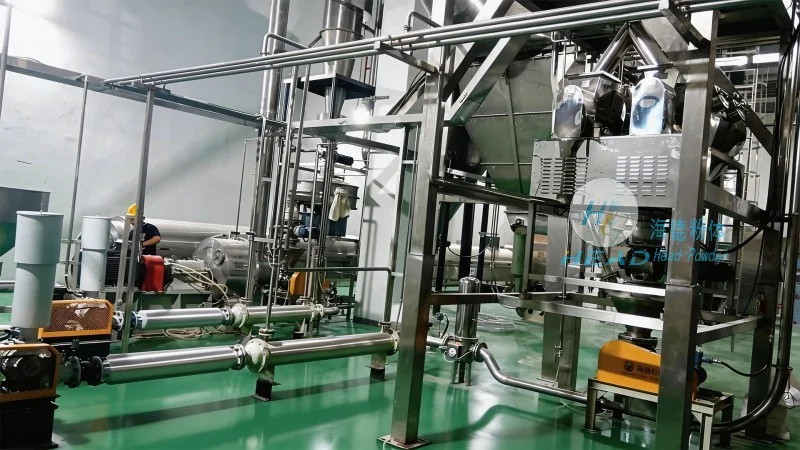
Environmental considerations are also an important aspect of using a pneumatic conveying system. By containing the material within a closed pipeline, the system prevents dust and particles from being released into the environment, reducing air pollution and the risk of contamination. This is particularly beneficial for facilities located in residential or environmentally sensitive areas, as it helps in maintaining a clean and safe working environment.
Conclusion
A paper chip material pneumatic conveying system is a sophisticated piece of equipment that plays a vital role in the efficient handling of paper chips in industrial settings. By understanding the design principles and benefits of such systems, companies can make informed decisions about implementing this technology to improve their operations. The system's ability to enhance safety, efficiency, and environmental performance makes it an attractive option for many paper processing facilities. As the demand for sustainable and efficient material handling solutions continues to grow, the paper chip material pneumatic conveying system remains a key technology in the industry.