

What is a Powdered Milk Material Pneumatic Conveying System? And What Are Its Design Principles?
In the production and processing of powdered milk, efficient material handling is essential to maintain product quality and operational efficiency. A powdered milk material pneumatic conveying system is a specialized equipment solution engineered to transport bulk powdered milk from one location to another within a manufacturing facility. This system utilizes air as the conveying medium, moving the product through a network of pipes and components, offering a clean, hygienic, and reliable method of material transport that is well-suited for the food processing industry.
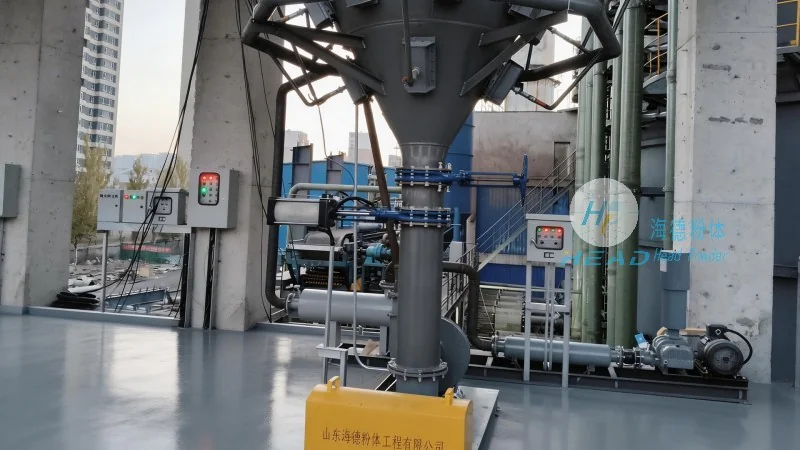
Understanding the Core Components of a Powdered Milk Pneumatic Conveying System
The design of a powdered milk material pneumatic conveying system involves several key components that collaborate to achieve effective material transport. The primary components typically include a hopper or feed bin for storing the powdered milk, a rotary valve or feeder to control the flow of material into the system, a conveying line (composed of pipes and fittings), a blower or air compressor to generate the necessary air pressure, and a receiver or discharge hopper where the material is deposited. Each component plays a critical role in ensuring the system operates smoothly and maintains the integrity of the powdered milk product.
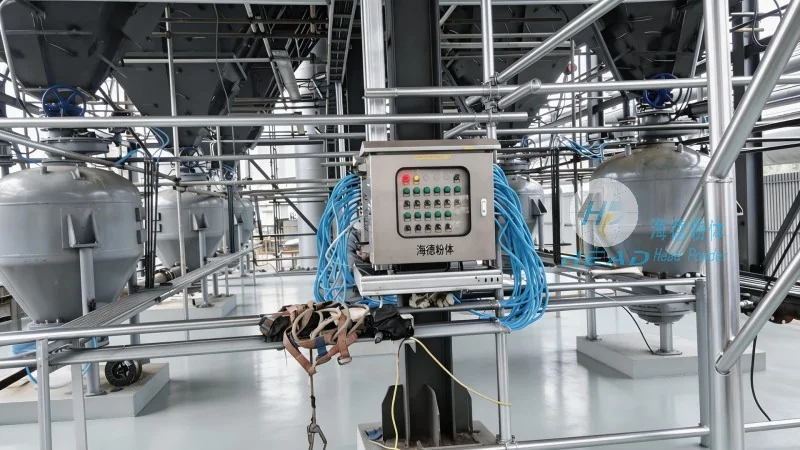
How the Pneumatic Conveying Process Works for Powdered Milk
The operation of a powdered milk material pneumatic conveying system is based on the principle of air movement and particle suspension. When the system is activated, the blower generates a flow of air through the conveying line. The rotary valve or feeder then introduces the powdered milk into the air stream, causing the particles to become suspended and carried along the pipe. The air pressure and velocity are carefully controlled to ensure that the milk powder is transported without excessive pressure drop or particle degradation. The system may use either positive pressure (where air is forced into the line) or negative pressure (where air is drawn out of the line) depending on the specific application and layout requirements.
Design Principles for Optimal Performance in Powdered Milk Conveying
Designing an effective powdered milk pneumatic conveying system requires careful consideration of several factors to ensure optimal performance, energy efficiency, and product quality. Key design principles include selecting the appropriate air velocity and pressure to prevent particle degradation and ensure reliable transport. The system layout must be designed to minimize pressure losses and avoid dead zones where material may settle or degrade. Material selection for components such as pipes, valves, and hoppers is critical, as they must be made from materials that are compatible with powdered milk and meet strict hygiene standards. Additionally, the system should incorporate features for easy cleaning and maintenance to maintain product purity and operational continuity.
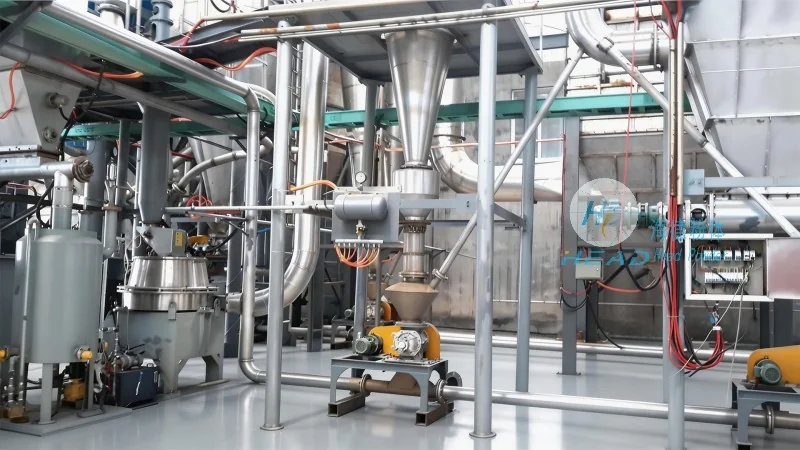
HeadPowder's Expertise in Powdered Milk Pneumatic Conveying Solutions
Shandong HeadPowder Engineering Co., Ltd. specializes in the design, manufacturing, and installation of advanced pneumatic conveying systems tailored to the unique needs of the powdered milk industry. With years of experience in the field, HeadPowder has developed a deep understanding of the challenges associated with transporting sensitive food products like powdered milk, including maintaining product quality, ensuring hygienic conditions, and optimizing operational efficiency. The company's engineers work closely with clients to assess their specific production requirements, facility layout, and material characteristics to design customized solutions that meet or exceed industry standards. By leveraging advanced technology and rigorous quality control processes, HeadPowder delivers reliable and efficient pneumatic conveying systems that help food processing companies streamline their operations and improve overall productivity.