

What is a Pneumatic Conveying System for Bulk Powder Materials? What Are Its Design Principles?
For industries dealing with bulk powder materials, understanding the technology behind efficient material handling is crucial. A pneumatic conveying system for bulk powder materials, often referred to as a bulk material pneumatic conveyor, is a specialized equipment designed to transport dry powders and granular solids through a pipeline using compressed air or other gas. This system offers a flexible and efficient solution for moving materials from one location to another, eliminating the need for traditional mechanical conveyors like belt or screw conveyors.
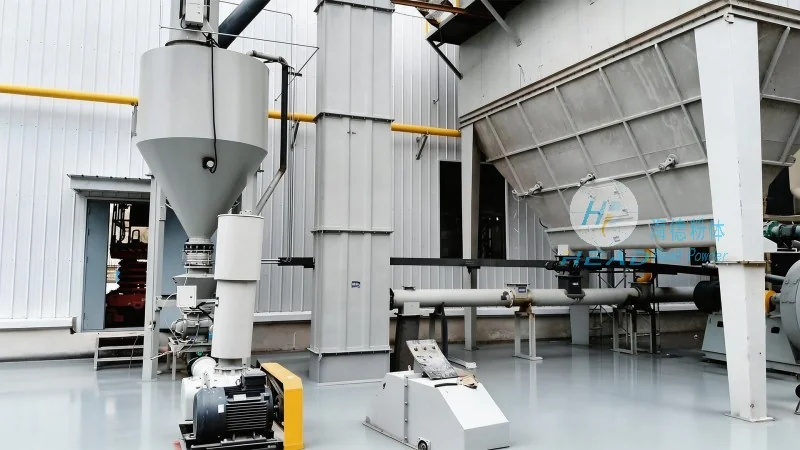
Introducing HeadPowder: A Leader in Pneumatic Conveying Solutions
HeadPowder, the abbreviation for Shandong HeadPowder Engineering Co., Ltd., is a prominent company based in Shandong, China, specializing in the design, manufacturing, and installation of advanced pneumatic conveying systems. With years of experience in the field, HeadPowder has established itself as a trusted provider of reliable and efficient solutions for various industries that rely on bulk powder handling. The company's commitment to quality and innovation ensures that their systems meet the highest standards of performance and durability.
Understanding the Design Principles of Pneumatic Conveying Systems
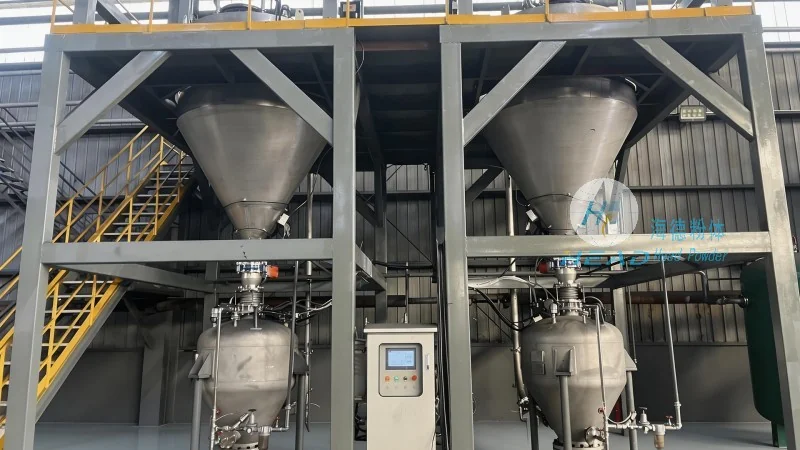
The core design principle of a pneumatic conveying system for bulk powder materials is to use the force of compressed air to move the material through a pipeline. This process involves several key components and mechanisms that work together to ensure smooth and efficient material transport. The system typically consists of a material feed hopper, a gas source (such as a blower or compressor), a pipeline network, and a discharge point. The material is fed into the system from the hopper, and the compressed air is introduced into the pipeline, creating a flow that carries the powder particles along the path.
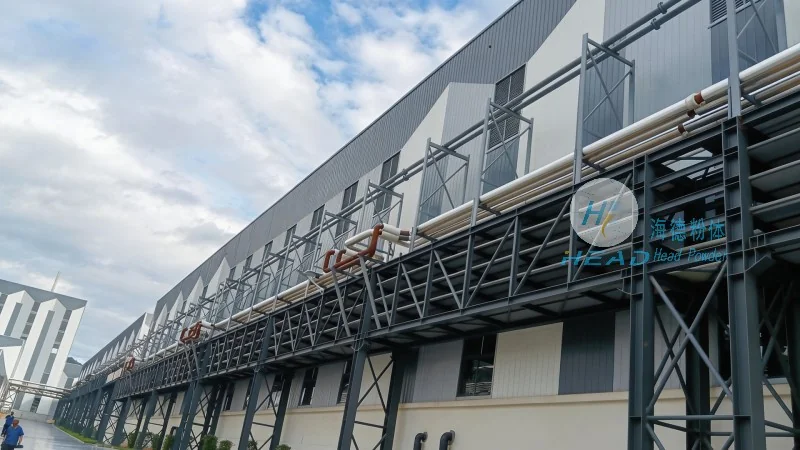
One of the fundamental principles is the balance between the air velocity and the material's properties. The air velocity must be sufficient to overcome the gravitational forces and the friction between the particles and the pipeline walls, ensuring that the material is fully suspended and transported without clogging. The design of the system also considers factors such as the material's density, particle size, and flow characteristics, as these parameters directly impact the system's performance and efficiency. Proper sizing of the pipeline diameter, the air flow rate, and the pressure levels are critical to achieving optimal conveying performance.
Key Components and Their Functions in a Pneumatic Conveying System
A pneumatic conveying system for bulk powder materials comprises several essential components, each playing a vital role in the overall operation. The material feed hopper is responsible for storing and feeding the powder into the system, ensuring a consistent flow rate. The gas source, usually a rotary lobe blower or a centrifugal fan, provides the necessary compressed air or gas to generate the conveying force. The pipeline network, made of materials like stainless steel or plastic, forms the path through which the material is transported. The pipeline may include bends, elbows, and other fittings to direct the flow to the discharge point. At the end of the pipeline, a receiver or a discharge hopper collects the material, completing the conveying process.
The Advantages of Using Pneumatic Conveying Systems for Bulk Powder Materials
Compared to traditional mechanical conveyors, pneumatic conveying systems offer several advantages that make them a preferred choice for many industries. One of the key benefits is the flexibility in layout, as the system can be installed in various configurations, including vertical, horizontal, or a combination of both, to suit the specific requirements of the facility. This flexibility allows for easy integration into existing production lines without major structural modifications. Another advantage is the ability to handle a wide range of materials, from fine powders to coarse granules, without causing contamination or degradation. The system also provides a dust-free and enclosed environment, which is crucial for maintaining product quality and ensuring workplace safety.
Applications and Industries Benefiting from Pneumatic Conveying Systems
Pneumatic conveying systems for bulk powder materials are widely used across various industries, including pharmaceuticals, food processing, chemical manufacturing, and mining. In the pharmaceutical industry, for example, these systems are used to transport active ingredients and excipients with high precision and minimal risk of contamination. In food processing, they help move ingredients like flour, sugar, and spices while maintaining hygiene standards. Chemical manufacturers benefit from the ability to handle corrosive or hazardous materials safely and efficiently. The mining industry uses pneumatic conveying systems to transport ore and other minerals from mines to processing facilities, reducing the need for trucks and other heavy machinery.
Conclusion: The Importance of Proper Design and Implementation
In conclusion, a pneumatic conveying system for bulk powder materials is a sophisticated and efficient solution for handling dry powders and granular solids. The design principles, which revolve around the use of compressed air to transport material through a pipeline, are carefully engineered to ensure optimal performance and reliability. Companies like Shandong HeadPowder Engineering Co., Ltd. play a crucial role in providing these advanced systems, tailored to meet the specific needs of different industries. By understanding the design principles and components of such systems, industries can enhance their material handling processes, improve productivity, and ensure the quality and safety of their products.