Principle and Working Scene Characteristics of Hydrogen Chloride Powder Pneumatic Conveying Lines
Release time:2026-09-19 18:01:34
name of the company:Shandong Headpowder Engineering Co., Ltd.
telephone:156-6277-7102
contacts:Zhang manager
Hydrogen chloride (HCl) is a highly corrosive gas widely utilized in various industrial processes, including chemical manufacturing, pharmaceutical production, and material synthesis. The efficient and safe handling of HCl powder is critical for industrial operations. Pneumatic conveying lines provide a reliable solution for transporting HCl powder from storage to processing units, minimizing exposure to personnel and equipment. This article examines the fundamental principles behind HCl powder pneumatic conveying systems and highlights the key characteristics of their operational environments.
Core Working Principle of the Pneumatic Conveying Line
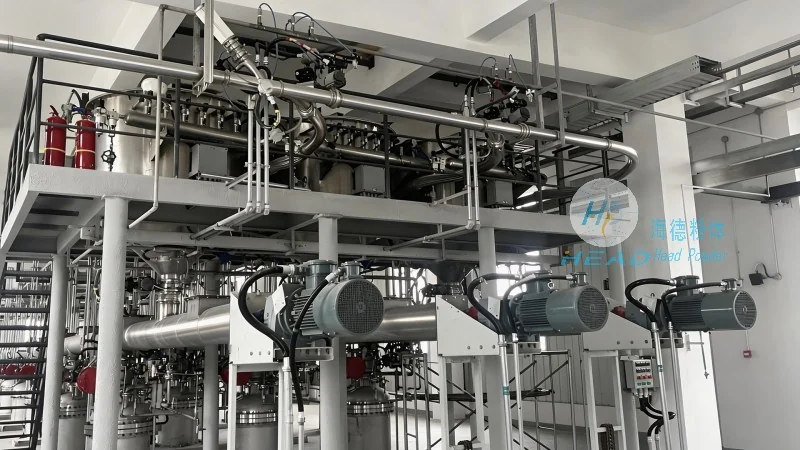
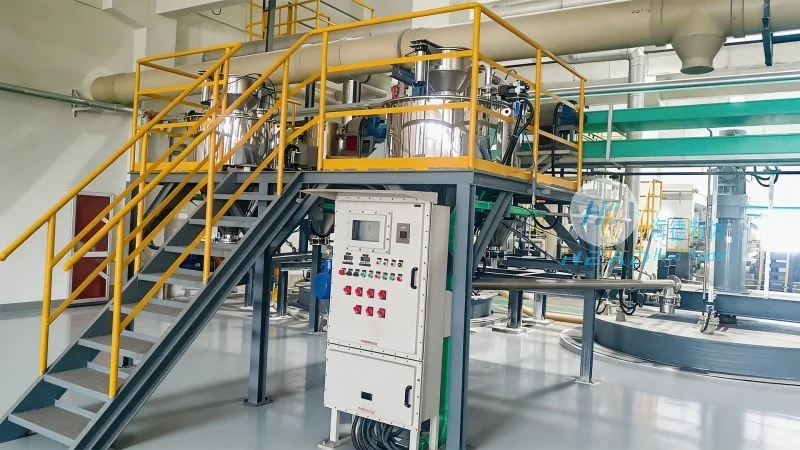
The operation of a hydrogen chloride powder pneumatic conveying line is based on the principle of transporting solid particles through a pipeline using a pressurized or suction airflow. In a typical system, the HCl powder is fed into a hopper or feeder, where it is introduced into a pipeline. A fan or blower generates a high-velocity air stream that carries the powder particles through the system. The air flow can be either positive pressure (blow-through) or negative pressure (suction), depending on the specific application requirements. The key components of the system include the feeding device, pipeline, air separation unit, and discharge equipment. The air separation unit is critical as it separates the HCl powder from the air stream, allowing the powder to be collected in a designated container while the air is either filtered or recycled. This process ensures efficient and safe transport, minimizing dust emissions and preventing contamination.
Key Working Scene Characteristics and Applications
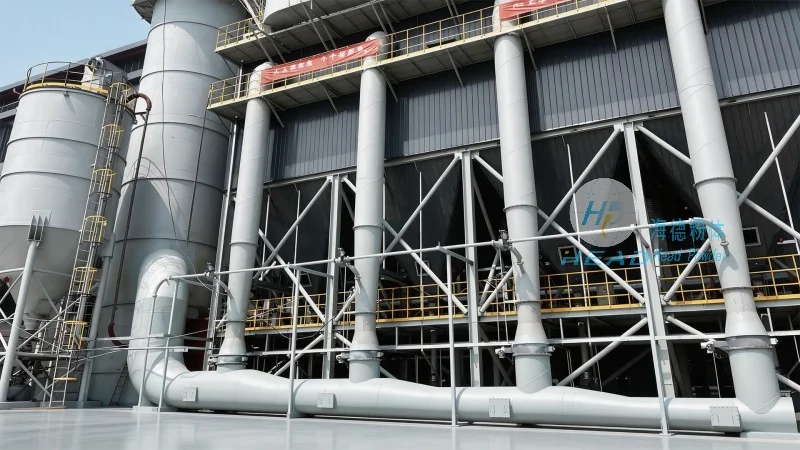
The working scene characteristics of HCl powder pneumatic conveying lines are tailored to specific industrial environments where they are deployed. These systems are commonly used in chemical plants, where HCl is produced or consumed as a raw material. The operational environment may involve high temperatures, corrosive conditions, and strict safety protocols due to the hazardous nature of HCl. The design of the pneumatic conveying line must account for these factors, such as using corrosion-resistant materials like stainless steel for the pipeline and components to withstand the acidic environment. Additionally, the system must be equipped with proper ventilation and filtration to prevent the release of HCl gas into the workplace, ensuring compliance with occupational health and safety regulations. The working scene may also vary based on the scale of production, with larger systems used in bulk chemical processing facilities and smaller systems in laboratory or pilot-scale operations. The flexibility of pneumatic conveying allows for integration into existing production lines, enabling seamless transfer of HCl powder between different processing stages.
Company Overview: Shandong HeadPowder Engineering Co., Ltd.
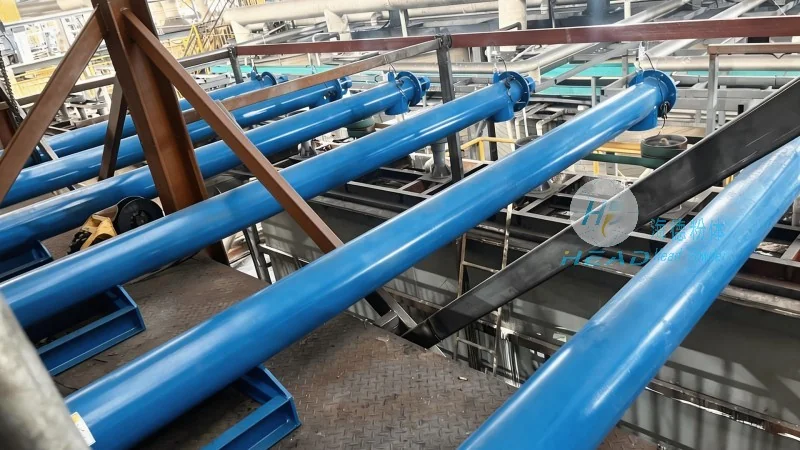
Shandong HeadPowder Engineering Co., Ltd., commonly known as HeadPowder, is a leading manufacturer and supplier of specialized pneumatic conveying equipment for industrial applications. With its headquarters located in Shandong, China, the company has established itself as a trusted partner in the chemical processing industry. HeadPowder specializes in designing and manufacturing customized HCl powder pneumatic conveying lines that meet the unique requirements of its clients. The company's engineering team leverages advanced technology and years of experience to develop solutions that enhance efficiency, safety, and reliability in the handling of hazardous materials like HCl. By adhering to strict quality standards and adhering to industry best practices, HeadPowder ensures that its products are durable, low-maintenance, and compliant with international safety regulations. The company's commitment to innovation and customer satisfaction has made it a preferred choice for businesses seeking reliable and efficient HCl powder handling solutions.




