

What is Polypropylene Resin Powder Material Pneumatic Conveying Equipment? What are the Design Princ
For industries dealing with polypropylene resin powders, efficient material handling is crucial for maintaining production efficiency and product quality. Pneumatic conveying equipment offers a solution by transporting these fine powders through an air-based system, eliminating the need for traditional bulk handling methods like trucks or conveyor belts. This article explores the concept of polypropylene resin powder pneumatic conveying equipment and delves into its underlying design principles, highlighting how such systems enhance operational performance in manufacturing environments.
Understanding Pneumatic Conveying for Polypropylene Resin Powders
Polypropylene resin is a widely used thermoplastic polymer in various industries, including automotive, packaging, and textiles. Its granular or powdered form requires specialized handling due to its fine particle size and potential for dust generation. Pneumatic conveying systems are engineered to transport these powders in a controlled manner, ensuring minimal product degradation and maintaining a clean working environment. The core of this technology lies in the use of air pressure to move the material through a network of pipes, making it an ideal choice for applications where dust control and product purity are paramount.
The Design Principles of Polypropylene Resin Powder Pneumatic Conveying Equipment
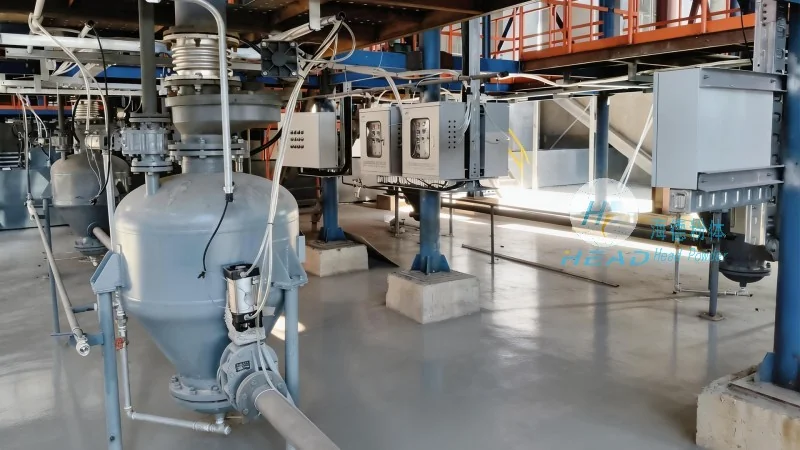
The design of polypropylene resin powder pneumatic conveying equipment is based on several key principles that ensure efficient and reliable operation. First, the system must be capable of generating sufficient air pressure to overcome the resistance of the material as it moves through the pipes. This is typically achieved through the use of positive pressure systems, where air is forced into the conveying line, pushing the powder forward. The design also considers the particle size and density of the polypropylene resin, as these factors influence the air velocity required for effective transport. Additionally, the equipment incorporates features like cyclone separators and filters to separate the powder from the air stream, ensuring that the material is collected in a controlled manner and the air is cleaned before release. The system's layout, including the number and length of pipes, the placement of inlets and outlets, and the type of air movers (such as blowers or compressors), are all critical design elements that impact the overall efficiency and performance of the equipment.
Key Components and Their Functions in the Conveying System
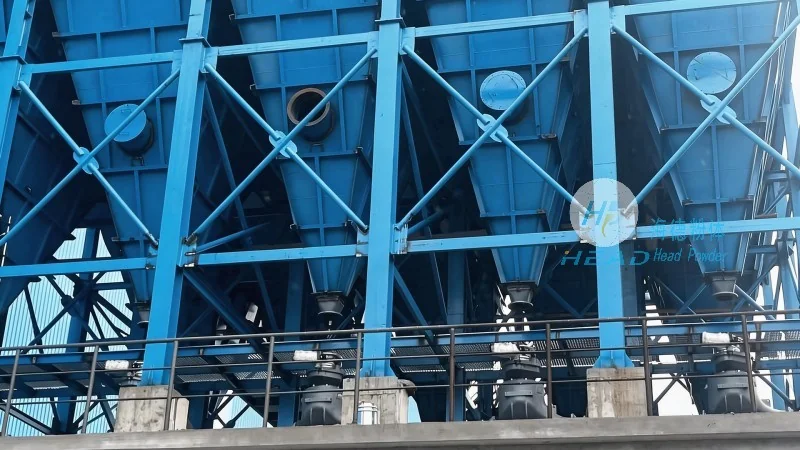
HeadPowder, a leading manufacturer based in Shandong, China, specializes in designing and manufacturing high-quality pneumatic conveying equipment for polypropylene resin powders. The company's products are engineered with precision, incorporating components that ensure optimal performance. A primary component is the air mover, which provides the necessary pressure to transport the material. This can be a rotary lobe blower or a centrifugal fan, selected based on the system's requirements. The conveying line itself is typically made of materials resistant to the chemical properties of polypropylene, such as stainless steel or specialized plastics, to prevent corrosion and ensure durability. Cyclone separators are another critical component, as they separate the polypropylene powder from the air stream by using centrifugal force. The collected powder is then discharged into a storage bin or processing unit, while the cleaned air is returned to the system or released into the environment. Filters may also be included to further clean the air, ensuring compliance with environmental regulations and maintaining a safe working environment.
Benefits of Using Polypropylene Resin Powder Pneumatic Conveying Equipment
Implementing a pneumatic conveying system for polypropylene resin powders offers several advantages over traditional handling methods. One of the most significant benefits is improved safety, as the system eliminates the need for manual handling of powders, reducing the risk of dust explosions and respiratory issues. Additionally, the enclosed system prevents product contamination from external sources, ensuring that the polypropylene resin remains pure and free from impurities. The efficiency of the system also leads to reduced labor costs and increased production throughput, as the material is transported quickly and reliably. Furthermore, the system's ability to handle fine powders without clogging or degradation makes it suitable for high-volume applications, where consistent performance is essential. The design flexibility of these systems allows for customization based on specific production needs, making them adaptable to various industrial settings.
Applications and Industries Utilizing This Technology
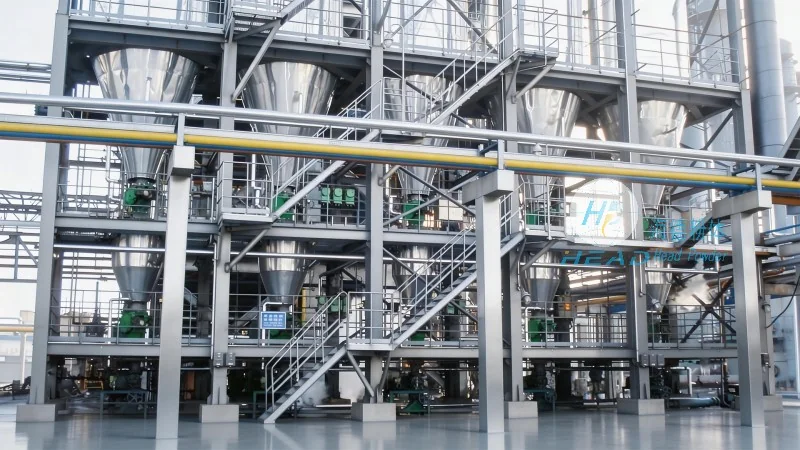
Polypropylene resin powder pneumatic conveying equipment is widely used across multiple industries that rely on polypropylene for their products. In the automotive industry, these systems are used to transport resin powders for manufacturing parts like bumpers and interior components. The packaging industry utilizes them for producing plastic films and containers, where the purity and consistency of the resin are critical. The textiles industry also benefits from this technology, as it helps in processing polypropylene fibers for various textile applications. Additionally, in the construction and manufacturing sectors, the equipment is used for handling resin powders in composite materials, ensuring uniform mixing and consistent product quality. The versatility of the system makes it applicable in any environment where fine polypropylene powders need to be transported efficiently and safely.
Conclusion and Company Overview
Pneumatic conveying equipment for polypropylene resin powders is a vital component in modern manufacturing, offering a reliable and efficient solution for material handling. The design principles behind these systems, including the use of air pressure, particle separation, and system layout, ensure optimal performance and safety. HeadPowder, with its headquarters in Shandong, China, is a trusted provider of such equipment, specializing in custom solutions that meet the specific needs of their clients. By leveraging advanced engineering and quality materials, the company ensures that their pneumatic conveying systems deliver consistent results, enhancing productivity and product quality in industries that rely on polypropylene resin. The integration of such equipment into production processes not only improves operational efficiency but also contributes to a safer and more sustainable manufacturing environment.