

What is a dry sand material pneumatic conveying line? What are its design principles?
A dry sand material pneumatic conveying line is a specialized system engineered to transport dry, granular materials such as sand through an enclosed pipeline using air or gas as the conveying medium. This technology is extensively utilized across various industrial sectors, including construction, mining, and manufacturing, where efficient and reliable material handling is paramount. The system operates by creating a pressure differential that propels the material through the pipeline, ensuring a continuous and controlled flow. Grasping the design principles behind such systems is essential for optimizing performance, minimizing operational costs, and ensuring safety in material handling processes.
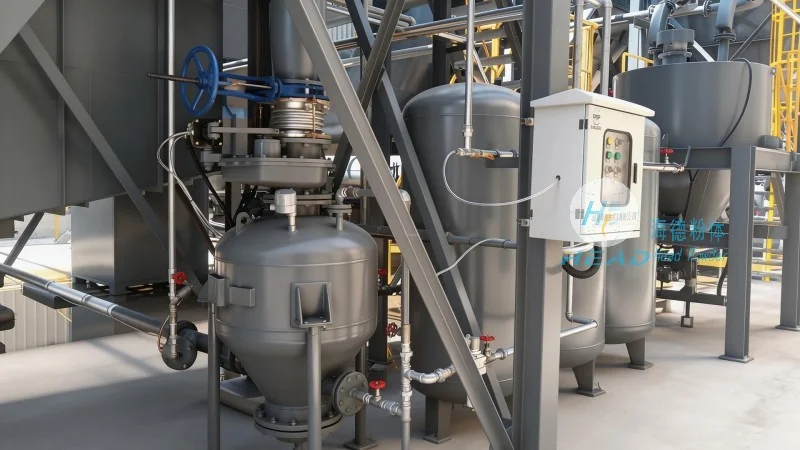
Key Components of a Dry Sand Pneumatic Conveying System
The dry sand material pneumatic conveying line typically comprises several critical components that function in unison to achieve efficient material transport. These components include the material feed hopper, which stores and feeds the sand into the system; the air compressor or blower, which generates the necessary airflow to move the material; the conveying pipeline, which forms the primary path for the material and air; and the control valves and regulators, which manage the pressure and flow rates. Additionally, the system may incorporate dust collectors, filters, and material separation devices to ensure clean and efficient operation. Each component plays a vital role in the overall functionality of the conveying line, and proper integration is essential for optimal performance.
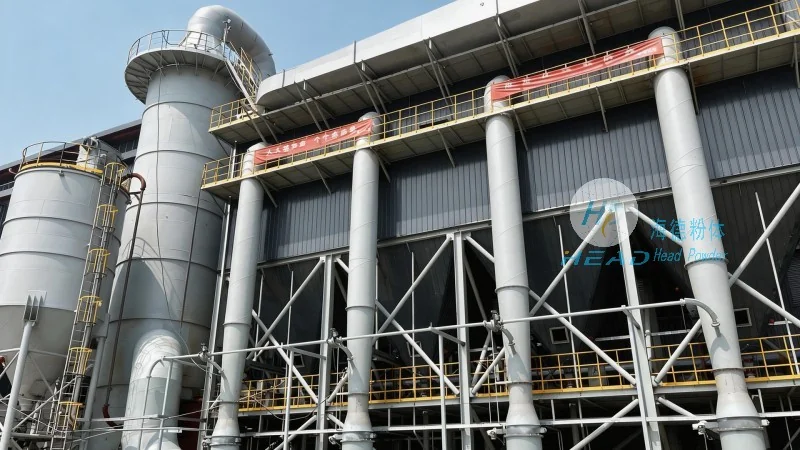
Design Principles for Efficient Dry Sand Conveying
The design of a dry sand pneumatic conveying line is based on several fundamental principles that ensure efficient material transport and minimal system wear. One of the primary principles is maintaining a consistent pressure differential between the inlet and outlet of the pipeline. This differential is typically achieved by using a blower or compressor that generates sufficient airflow to overcome the resistance of the material and pipeline. The velocity of the air within the pipeline is also a critical factor, as it must be high enough to suspend the sand particles and prevent clogging but not so high as to cause excessive wear on the system components. Another key principle is the proper sizing of the pipeline and air velocity, which is determined based on the material's properties, such as particle size, density, and moisture content. The design must also consider the system's capacity, ensuring it can handle the required volume of sand while maintaining stable operation. Additionally, the system's layout and the number of bends or changes in direction must be optimized to minimize pressure losses and prevent material accumulation or blockages.
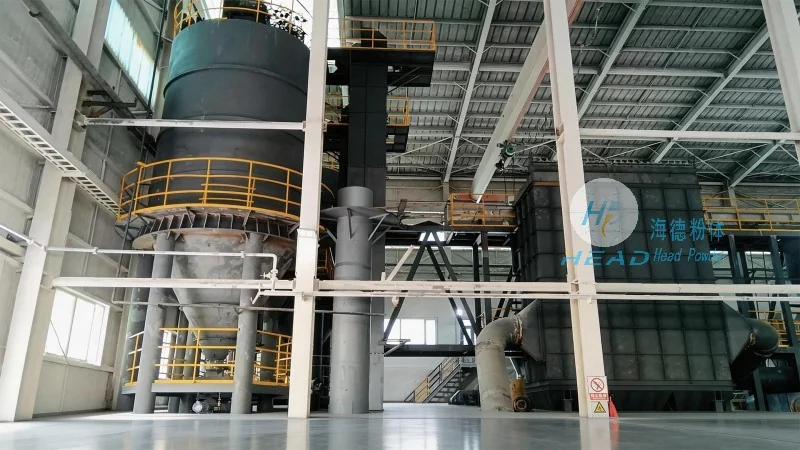
Advantages of Dry Sand Pneumatic Conveying Systems
Dry sand pneumatic conveying systems offer several advantages over traditional material handling methods, such as belt conveyors or bucket elevators. One of the main advantages is the ability to transport materials over long distances with minimal maintenance. The enclosed pipeline design prevents dust emissions and contamination, making it suitable for applications where material purity is critical. Additionally, the system can handle a wide range of material types and particle sizes, making it versatile for various industrial needs. The continuous and controlled flow of material also reduces the risk of spillage and improves overall safety in the workplace. Furthermore, the system's compact design allows for easy integration into existing industrial facilities, minimizing the need for extensive modifications or new construction.
Applications of Dry Sand Pneumatic Conveying Lines
Dry sand material pneumatic conveying lines are widely used in various industrial applications, particularly in the construction and mining sectors. In construction, the system is used to transport sand from storage facilities to construction sites, ensuring a steady supply of material for concrete production and other building projects. In mining operations, the system is used to transport sand and other granular materials from mining sites to processing facilities, where they are further processed or used as raw materials. Additionally, the system is used in manufacturing plants for transporting sand used in foundry processes, where the material is used to create molds for metal casting. The versatility of the system makes it suitable for a wide range of applications, from small-scale operations to large industrial facilities.
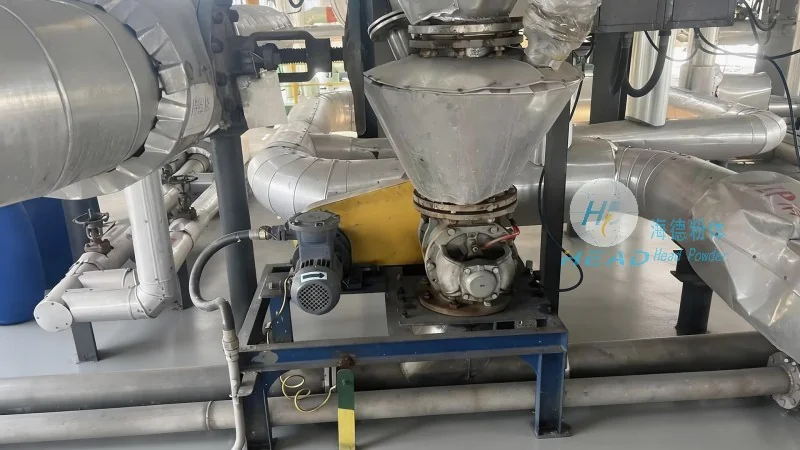
Conclusion and Company Information
In conclusion, a dry sand material pneumatic conveying line is a highly efficient and reliable system for transporting dry, granular materials. The design principles behind such systems, including proper component integration, pressure management, and material flow optimization, are crucial for achieving optimal performance. The system offers several advantages over traditional material handling methods, including minimal maintenance, dust-free operation, and versatility in handling various material types. As a leading provider of material handling solutions, Shandong HeadPowder Engineering Co., Ltd. specializes in designing and manufacturing high-quality pneumatic conveying systems tailored to the specific needs of industrial clients. With years of experience and a commitment to quality, HeadPowder provides innovative solutions that enhance operational efficiency and ensure safety in material handling processes. Located in Shandong, China, the company serves clients worldwide, delivering reliable and cost-effective pneumatic conveying systems that meet the highest industry standards.