

What is a Coating Material Pneumatic Conveying Line? And What Are Its Design Principles?
Coating material pneumatic conveying lines are specialized systems engineered to transport powders and granules, such as those used in the paint industry, through a pipeline using air or other gas as the conveying medium. These systems are critical in industrial settings where efficient, dust-free, and safe material handling is essential. The design of such lines involves several key principles that ensure optimal performance, reliability, and adherence to safety standards.
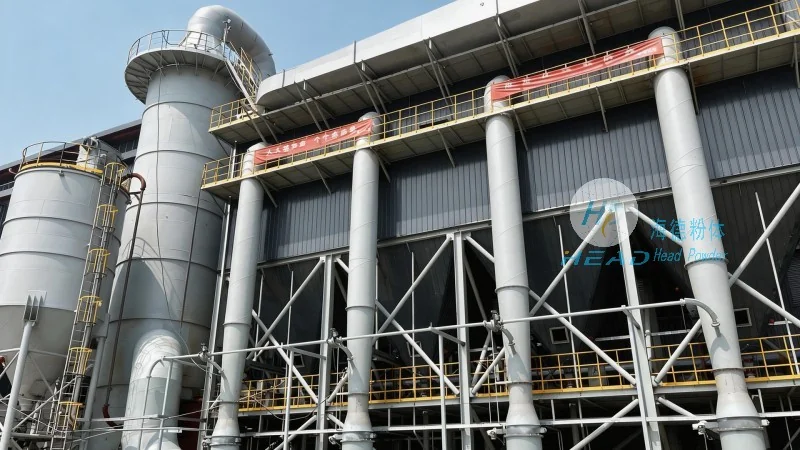
Understanding the Core Function of Pneumatic Conveying Systems for Coating Materials
At the heart of a coating material pneumatic conveying line is the ability to move bulk materials like pigments, fillers, and other dry components from storage silos or processing equipment to production lines. Unlike traditional mechanical conveyors, which rely on belts or screws, pneumatic systems use air pressure to create a flow that propels the material through the pipeline. This method offers advantages in terms of flexibility, as the line can be configured in various shapes and lengths, and in maintaining the integrity of the material, preventing contamination and degradation.
Key Design Principles for Efficient and Reliable Coating Material Pneumatic Conveying
The design of a pneumatic conveying line for coating materials is guided by several fundamental principles that address both operational efficiency and safety. First, the system must be designed to handle the specific properties of the coating materials, including their particle size, density, and flow characteristics. This involves selecting appropriate air velocities and pressure levels to ensure smooth material transport without causing blockages or excessive wear on components. Second, the system incorporates components like feeders, cyclones, and filters to control the flow rate and separate the conveyed material from the air, ensuring that the material is delivered to the target location while the air is safely vented or recycled.
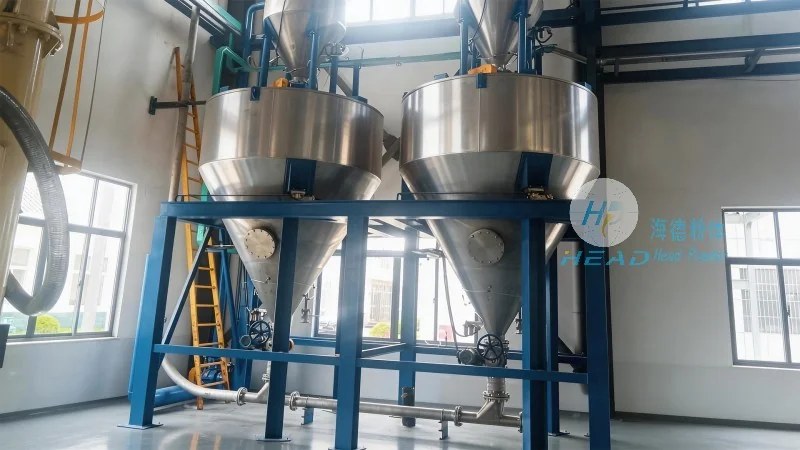
Components and Their Roles in a Coating Material Pneumatic Conveying Line
A typical coating material pneumatic conveying line consists of several interconnected components, each playing a crucial role in the overall operation. The primary components include the material feed system, which can be a rotary valve or a screw feeder that meters the material into the pipeline; the conveying pipeline itself, which is usually made of stainless steel or other corrosion-resistant materials to withstand the chemical properties of the coating materials; and the separation equipment, such as cyclone separators or bag filters, which separate the material from the air stream. Additionally, the system may include a vacuum or pressure pump to create the necessary air flow, and control systems to monitor and adjust the flow rate and pressure in real-time.
Advantages of Using Pneumatic Conveying for Coating Materials
Implementing a pneumatic conveying line for coating materials offers numerous benefits that enhance production efficiency and product quality. One of the most significant advantages is the ability to achieve dust-free and enclosed material handling, which reduces the risk of occupational exposure to powders and minimizes environmental contamination. This is particularly important in the paint industry, where safety regulations are stringent. Another advantage is the system's flexibility in terms of layout, as the pipeline can be arranged to follow the existing factory layout without the need for complex structural modifications. Furthermore, pneumatic conveying systems can handle a wide range of material properties, from fine powders to larger granules, making them suitable for various coating formulations.
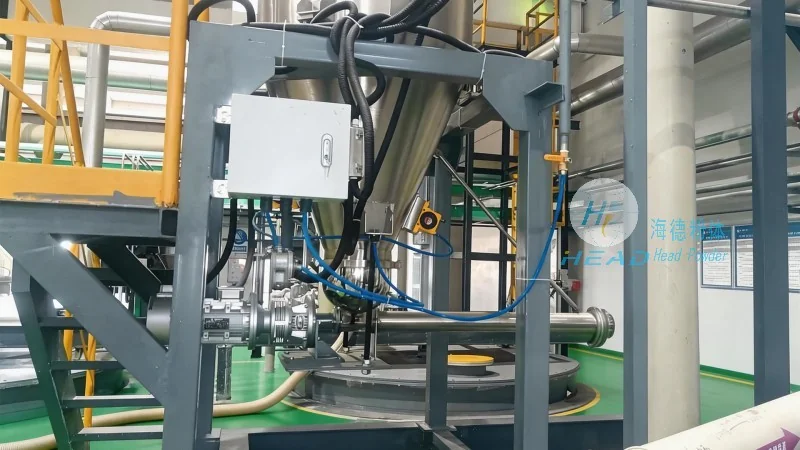
Design Considerations for Ensuring Longevity and Performance
When designing a coating material pneumatic conveying line, several factors must be considered to ensure long-term reliability and performance. Material selection is a critical aspect, as the components must be resistant to the chemicals and abrasiveness of the coating materials. For example, stainless steel is commonly used for pipelines and fittings due to its corrosion resistance and durability. Additionally, the system must be designed to handle the pressure and flow requirements of the material, with appropriate sizing of the pipeline and air handling equipment. Regular maintenance and monitoring are also essential to prevent issues such as blockages or wear, which can lead to system downtime and reduced efficiency.
About Shandong HeadPowder Engineering Co., Ltd.
Shandong HeadPowder Engineering Co., Ltd., commonly known as HeadPowder, is a leading manufacturer and supplier of industrial conveying systems, including coating material pneumatic conveying lines. With a focus on innovation and quality, HeadPowder provides customized solutions tailored to the specific needs of clients in the paint and related industries. The company's expertise lies in designing and manufacturing systems that meet the highest standards of efficiency, safety, and durability. HeadPowder's commitment to customer satisfaction and technical excellence has made it a trusted partner for businesses seeking reliable material handling solutions.