

What is a Plastic Material Pneumatic Conveying System? And What Are Its Design Principles?
A plastic material pneumatic conveying system is a specialized industrial equipment designed to transport plastic powders, granules, or pellets from one location to another using air or gas as the conveying medium. This technology is widely used in various industries, including plastics manufacturing, food processing, and chemical production, due to its efficiency, flexibility, and ability to handle a wide range of plastic materials. The system operates by creating a pressure differential between the inlet and outlet of the conveying line, which propels the plastic material through the pipeline. The design of such a system involves several key components and principles that ensure optimal performance and reliability.
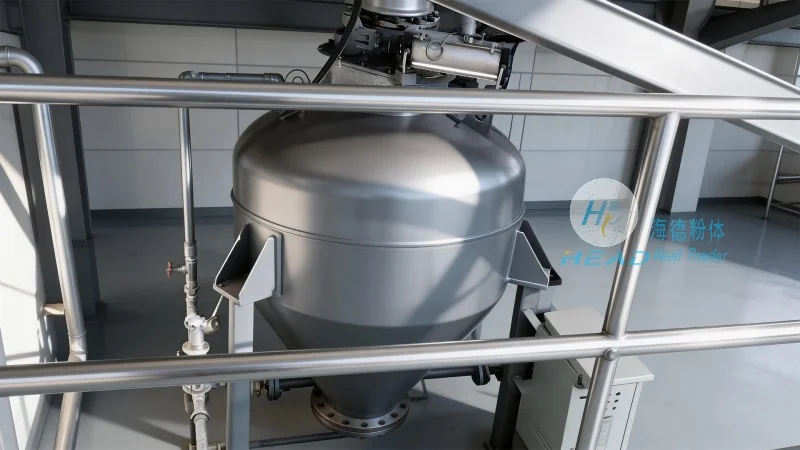
Key Components of a Pneumatic Conveying System
The core components of a plastic material pneumatic conveying system typically include a hopper or feeder for material storage and feeding, a blower or compressor to generate the air flow, a pipeline network for material transport, and a receiver or discharge unit for material collection. The hopper is designed to hold the plastic material and control the flow rate into the system. The blower or compressor provides the necessary pressure or vacuum to move the material through the pipeline. The pipeline network consists of straight sections, bends, and fittings that guide the material from the feeder to the receiver. The receiver is where the material is collected after being conveyed through the system.
Design Principles and Considerations
The design of a plastic material pneumatic conveying system is based on several fundamental principles to ensure effective and efficient material transport. One of the primary considerations is the material's properties, such as particle size, density, and flowability, as these factors influence the selection of the conveying method (e.g., pressure or vacuum system) and the system's configuration. The system's design must also account for the required conveying distance and the volume of material to be transported. The choice between pressure and vacuum systems depends on the application and the characteristics of the plastic material. Pressure systems use compressed air to push the material forward, while vacuum systems use a vacuum to pull the material. The design must also consider the system's capacity, which is determined by the air flow rate and the material's bulk density. Additionally, the system's layout and the number of bends and fittings should be minimized to reduce pressure losses and maintain efficient material transport.
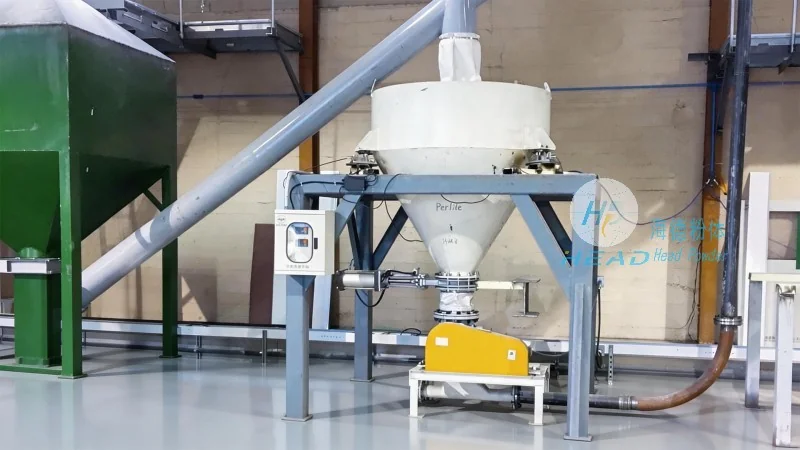
Advantages of Plastic Material Pneumatic Conveying Systems
Plastic material pneumatic conveying systems offer several advantages over traditional mechanical conveying methods. One of the main benefits is the ability to transport materials in a closed system, which helps prevent contamination and dust exposure. This is particularly important for food-grade or pharmaceutical-grade plastic materials. The system also allows for flexible and compact installation, as the pipeline can be routed around obstacles and in tight spaces. Another advantage is the reduced risk of material degradation, as the material is not subjected to high friction or impact during transport. The system's design also enables easy integration with other processing equipment, such as mixers or extruders, improving overall production efficiency. Furthermore, pneumatic conveying systems can handle a wide variety of plastic materials, including powders, granules, and pellets, without the need for additional equipment like hoppers or chutes.
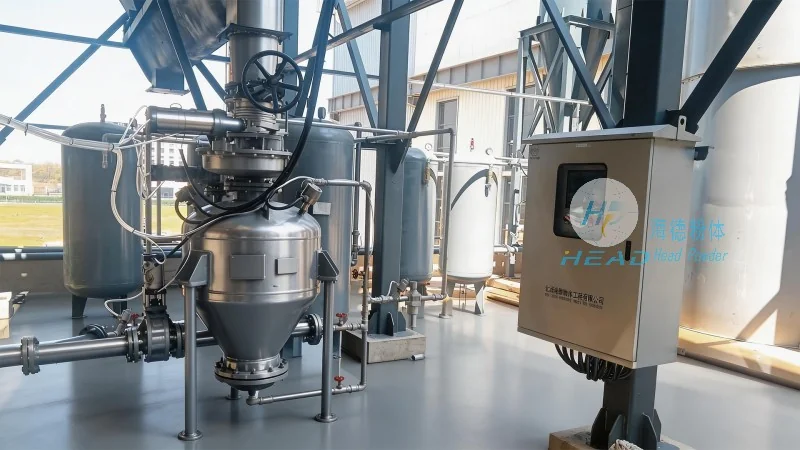
Application Examples in the Plastics Industry
Plastic material pneumatic conveying systems are widely used in various applications within the plastics industry. For example, in polymer production, these systems are used to transport raw plastic materials from storage silos to processing units. In recycling facilities, they are employed to convey recycled plastic pellets from sorting lines to extrusion machines. In manufacturing plants, they are used to transport finished plastic products from production lines to packaging or storage areas. The system's ability to handle different plastic materials and its flexibility in system layout make it suitable for a wide range of applications in the plastics industry.
Company Information: Shandong HeadPowder Engineering Co., Ltd.
Shandong HeadPowder Engineering Co., Ltd., commonly known as HeadPowder, is a leading manufacturer and supplier of industrial conveying systems, including plastic material pneumatic conveying lines. The company is headquartered in Shandong, China, and specializes in designing, manufacturing, and installing customized pneumatic conveying systems tailored to the specific needs of its clients. HeadPowder's products are known for their high quality, reliability, and efficiency, making them a trusted choice for industries that require reliable material handling solutions. The company's commitment to innovation and customer satisfaction has helped it establish a strong reputation in the market, serving clients both domestically and internationally.