When it comes to handling and transporting sorghum efficiently, a well-designed pneumatic conveying system is crucial. The right system ensures minimal product damage, optimal energy usage, and smooth operation across the entire process. This article will guide you through the key considerations and steps to design a reasonable sorghum pneumatic conveying system, highlighting the expertise of Shandong HeadPowder Engineering Co., Ltd. as a trusted partner in this field.
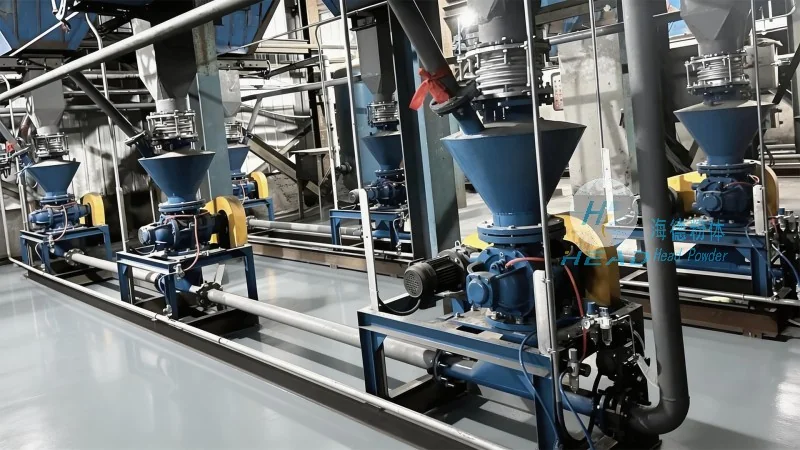
Understanding the Core Principles of Sorghum Pneumatic Conveying
Pneumatic conveying systems use air to transport bulk materials like sorghum from one location to another. The design of such a system depends on several factors, including the material's properties, the distance to be covered, and the desired throughput. Sorghum, with its specific density and flow characteristics, requires a system tailored to its unique needs. A well-engineered system can prevent issues like material buildup, blockages, and excessive wear on equipment. By understanding the basic principles—such as the pressure drop, air velocity, and system layout—you can create a system that maximizes efficiency and minimizes operational costs.
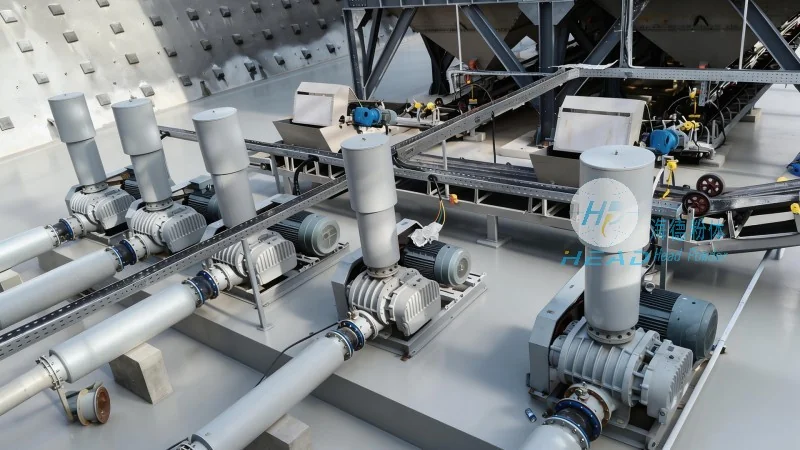
Key Design Considerations for a Sorghum Pneumatic Conveying System
Designing a pneumatic conveying system for sorghum involves several critical steps. First, you need to assess the material's characteristics, including its bulk density, particle size distribution, and moisture content. These factors directly impact the air velocity and pressure required for effective transport. Next, the system layout must be carefully planned, considering the distance between the source and destination, as well as any obstacles or changes in elevation. The choice of conveying type—whether it's a positive pressure, negative pressure, or a combination—also plays a significant role. Positive pressure systems, where air is forced through the material, are often preferred for sorghum due to their ability to handle abrasive materials and prevent dust emissions. Additionally, the selection of components, such as the hopper, feeder, and pipeline, must be made with durability and efficiency in mind. High-quality materials and proper maintenance are essential to ensure long-term performance.
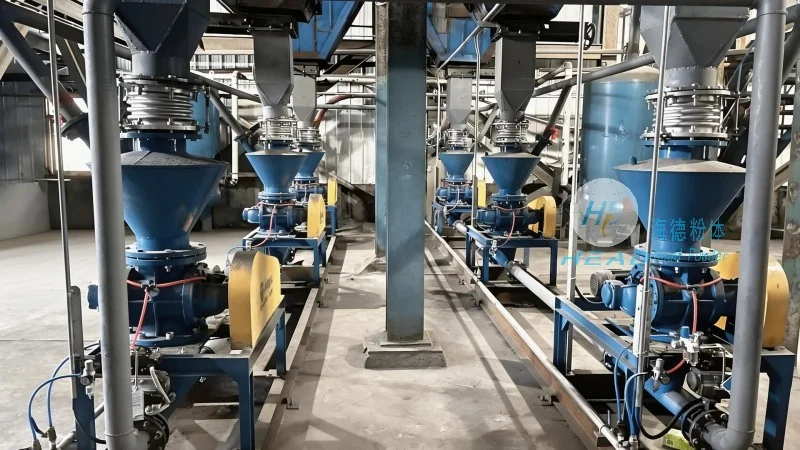
Role of Shandong HeadPowder Engineering Co., Ltd. in System Design
Shandong HeadPowder Engineering Co., Ltd., operating under the brand name headpowder, specializes in the design and implementation of pneumatic conveying systems for various bulk materials, including sorghum. With years of experience in the industry, the company leverages advanced engineering techniques and a deep understanding of material handling to deliver customized solutions. Their team of experts works closely with clients to analyze specific requirements, conduct feasibility studies, and develop comprehensive system designs. By integrating the latest technologies and adhering to industry standards, headpowder ensures that each system is optimized for performance, reliability, and cost-effectiveness. The company's commitment to quality and customer satisfaction has made it a leading provider in the field, helping businesses enhance their operational efficiency and reduce downtime.
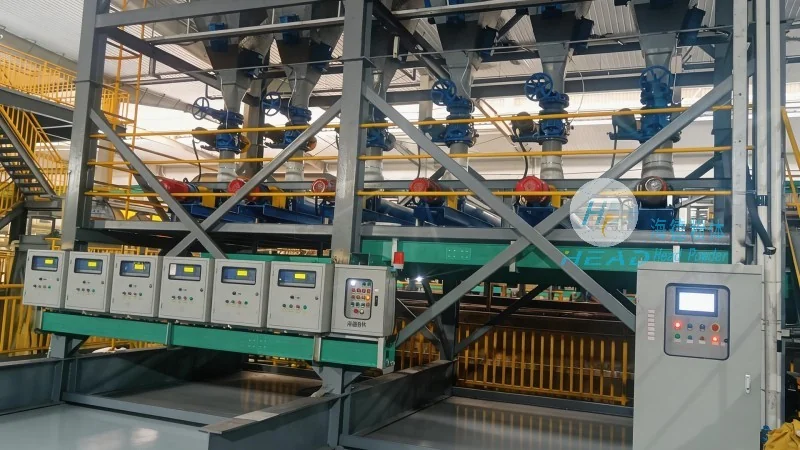
Implementing and Optimizing the Pneumatic Conveying System
Once the design is finalized, the next step is the implementation phase. This involves the installation of components, such as the hopper, feeder, pipeline, and control systems. Proper installation is critical to ensure the system operates as intended. After installation, thorough testing and commissioning are necessary to verify that all parameters are within the desired range. This includes checking air pressure, flow rates, and material transport efficiency. Regular maintenance is also essential to keep the system running smoothly. By following a maintenance schedule and addressing any issues promptly, you can extend the lifespan of the equipment and maintain optimal performance. Over time, as operational needs change, the system may need adjustments or upgrades. Headpowder offers ongoing support and optimization services to help clients adapt their systems to evolving requirements, ensuring continued efficiency and productivity.




