Bulk bag unloading, also known as super sack or FIBCs (Flexible Intermediate Bulk Containers), is a critical process in material handling across various industries. The efficient transfer of bulk materials from these large containers to processing equipment or storage systems often relies on pneumatic conveying technology. This article explores the fundamental principles behind pneumatic conveying for bulk bag unloading, along with key characteristics of its application scenarios, as presented by Shandong HeadPowder Engineering Co., Ltd., a leading provider in the field.
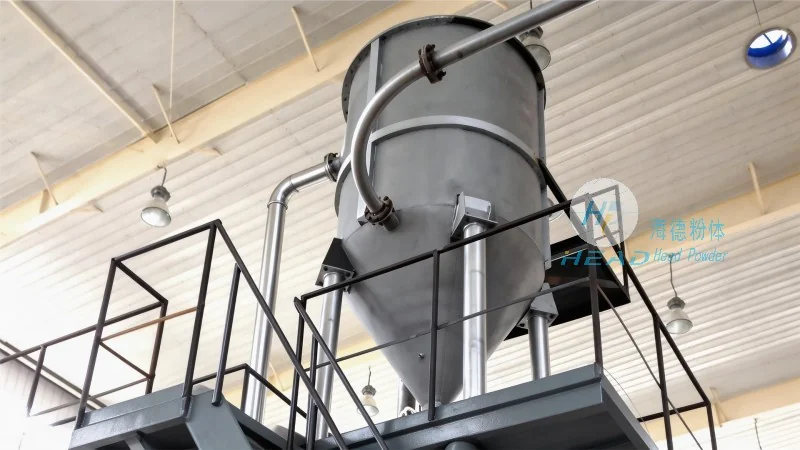
Principle of Pneumatic Conveying for Bulk Bag Unloading
The core principle of pneumatic conveying involves the use of air or gas to transport particulate materials through a pipeline system. In the context of bulk bag unloading, the process typically begins with the opening of the bulk bag, followed by the creation of a vacuum or pressure differential to draw the material into the conveying line. There are two primary modes of pneumatic conveying: pressure and vacuum. Pressure systems use a positive pressure to push material through the pipeline, while vacuum systems use a negative pressure to pull material. For bulk bag unloading, vacuum systems are commonly preferred due to their ability to handle a wide range of materials, including fine powders and granules, with minimal product degradation. The system consists of several key components: a hopper or receiver to collect the material from the bulk bag, a rotary valve or feeder to control the flow rate, a filter to capture dust and particles, and a conveying line that transports the material to the destination. The air flow is regulated by a blower or vacuum pump, ensuring consistent material transport without clogging or loss of material.
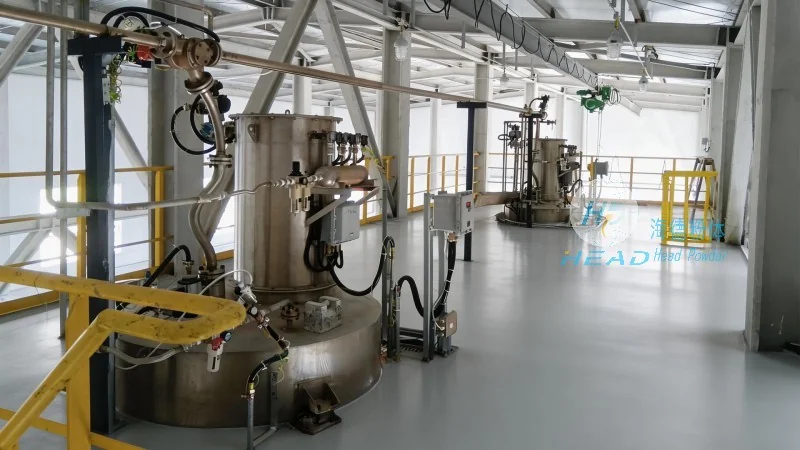
Working Scene Characteristics of Pneumatic Conveying Systems
The application of pneumatic conveying for bulk bag unloading is characterized by several distinct features that make it suitable for specific industrial environments. Firstly, the system is highly flexible in terms of layout and installation. It can be configured to handle materials from multiple bulk bags simultaneously, or to feed different processing units as needed. This flexibility is particularly valuable in manufacturing facilities where space is limited or where production lines require multiple material inputs. Secondly, pneumatic conveying offers a dust-free and hygienic operation. Unlike mechanical conveying methods, which may generate dust and require additional cleaning, pneumatic systems keep the material enclosed within the pipeline, reducing the risk of contamination and improving workplace safety. This is especially important in industries such as food, pharmaceuticals, and chemicals, where product purity and regulatory compliance are paramount. Thirdly, the system provides efficient material handling with minimal human intervention. Once set up, the pneumatic conveying system can operate continuously, automatically unloading bulk bags and delivering material to the processing equipment without the need for manual labor. This not only improves operational efficiency but also reduces labor costs and potential safety hazards associated with manual handling of heavy bulk bags. Additionally, the system is capable of handling a wide variety of materials, including powders, granules, and even liquids when combined with appropriate additives. This versatility makes it applicable across various sectors, from chemical processing to agricultural product handling. The working scene characteristics also include the ability to handle large volumes of material in a short period, which is crucial for high-throughput production lines. The system's design allows for rapid unloading of bulk bags, typically ranging from 1 to 5 tons per hour, depending on the material characteristics and system configuration. This high throughput is achieved through optimized air flow rates and pipeline dimensions, ensuring that the material is conveyed at an efficient and consistent rate. Furthermore, the system is designed for easy maintenance and cleaning. The use of filters and cleaning mechanisms helps to prevent material buildup and clogging, which can reduce system efficiency and increase downtime. Regular maintenance, such as filter replacement and pipeline inspection, is essential to maintain the system's performance and longevity. The working scene characteristics also highlight the adaptability of the system to different environmental conditions. It can be installed both indoors and outdoors, with appropriate weatherproofing and protection from external elements. This makes it suitable for various industrial settings, including factories, warehouses, and processing plants. The system's ability to operate in different environments without significant performance degradation is a key advantage for companies looking to implement bulk bag unloading solutions.
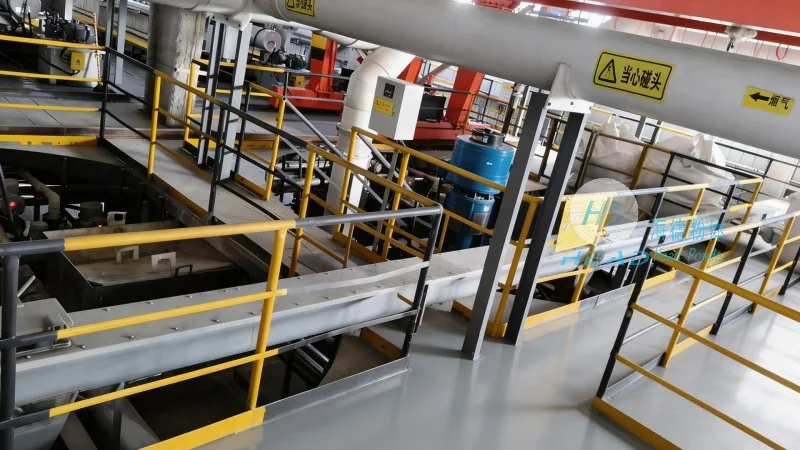
Applications and Industries Benefiting from Pneumatic Conveying
Shandong HeadPowder Engineering Co., Ltd. has successfully implemented pneumatic conveying systems for bulk bag unloading in a wide range of industries, demonstrating the technology's versatility and effectiveness. In the chemical industry, for example, pneumatic conveying is used to handle raw materials such as powders and granules, which are then processed into final products. The system ensures that the materials are transferred efficiently and without contamination, meeting the stringent quality standards required in this sector. In the food and beverage industry, pneumatic conveying is employed to handle ingredients like flour, sugar, and spices, which are then used in the production of various food products. The dust-free operation of the system is particularly important in this industry, as it helps to maintain product purity and prevent cross-contamination. The pharmaceutical industry also benefits from pneumatic conveying systems, as they are used to handle active pharmaceutical ingredients (APIs) and other sensitive materials. The system's ability to maintain a sterile environment and prevent product degradation is critical for ensuring the safety and efficacy of pharmaceutical products. In the agricultural sector, pneumatic conveying is used to handle bulk agricultural products such as grains and seeds, which are then processed or stored. The system's high throughput and efficiency make it ideal for large-scale agricultural operations. Additionally, the system is used in the construction industry to handle bulk materials such as cement and sand, which are then used in concrete production. The system's ability to handle large volumes of material at a high rate is essential for meeting the demands of construction projects. Overall, the applications of pneumatic conveying for bulk bag unloading span across multiple industries, highlighting its importance in modern material handling and processing.




