How to Design a Reasonable Castings Fume Pneumatic Conveying System Plan?
Release time:2026-09-10 18:44:42
name of the company:Shandong Headpowder Engineering Co., Ltd.
telephone:156-6277-7102
contacts:Zhang manager
For manufacturing facilities that process castings, managing the fume generated during the production process is a critical aspect of maintaining air quality and ensuring operational safety. A pneumatic conveying system is an effective solution for transporting castings fume from the point of generation to a collection or treatment area. The design of such a system requires careful planning and consideration of various technical and operational factors to ensure optimal performance, reliability, and cost-efficiency. This article explores the key considerations involved in designing a reasonable castings fume pneumatic conveying system, providing insights into the components, design principles, and best practices that can help achieve successful implementation.
System Type Selection: Positive Pressure vs. Negative Pressure
The first decision in designing a castings fume pneumatic conveying system is choosing between a positive pressure and a negative pressure system. Positive pressure systems use a blower to generate air pressure that pushes the material through the pipeline, while negative pressure systems rely on a vacuum to draw the material. For castings fume, which typically consists of fine particles and may contain hazardous components, a positive pressure system is generally preferred. This is because a positive pressure environment helps to prevent contaminants from escaping into the facility, reducing the risk of inhalation hazards and maintaining compliance with environmental regulations. Additionally, positive pressure systems are often more suitable for longer conveying distances and can handle a wider range of material characteristics.
Key Equipment Components and Their Roles
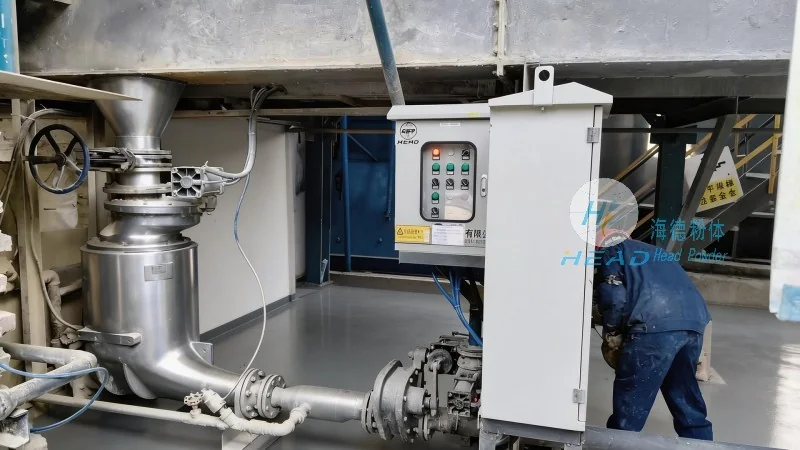
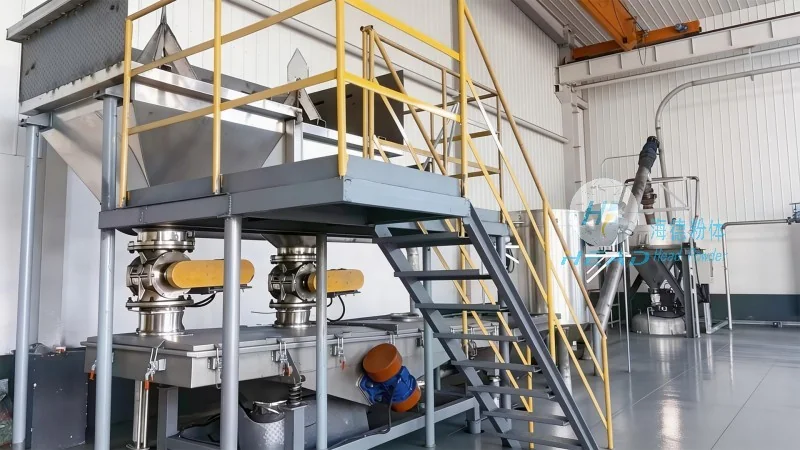
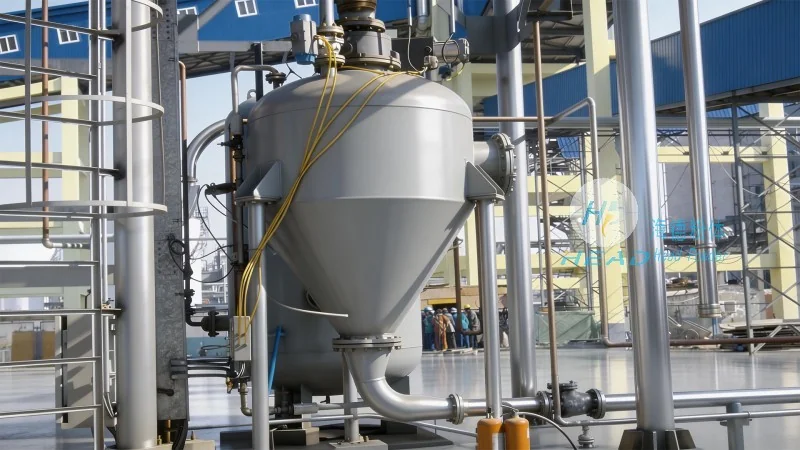
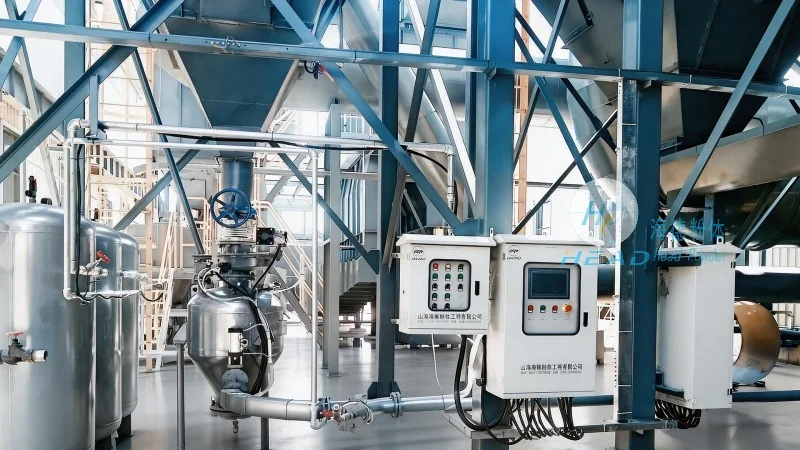
Several essential components are integral to the operation of a castings fume pneumatic conveying system. The blower or fan is the primary driver, providing the necessary air pressure and flow rate to move the material. The selection of the blower depends on the system's required air volume, pressure, and the material's properties, such as particle size, moisture content, and abrasiveness. For abrasive castings fume, it is crucial to use a blower constructed from durable materials like stainless steel to withstand wear and corrosion over time. The dust separator or cyclone is another critical component, responsible for separating the castings fume from the air stream and collecting the material in a hopper or storage bin. The separator's design must be optimized to handle the specific particle size distribution of the castings fume, ensuring high collection efficiency and minimizing re-entrainment of particles. Other components, such as check valves, airlocks, and filter bags, are also essential for maintaining system integrity and preventing backflow or material blockages.




