HeadPowder, a leading provider in the field of material handling solutions, specializes in the efficient and reliable transportation of silicon micropowder materials through pneumatic conveying systems. This article delves into the fundamental principles of pneumatic conveying and explores the key characteristics of working scenes where such systems are applied, offering insights into the technology's practical applications and benefits.
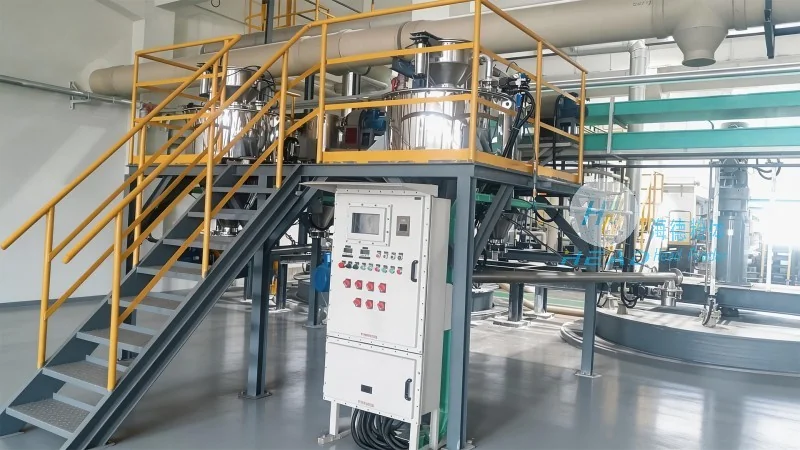
Understanding Pneumatic Conveying: Core Principles
Pneumatic conveying is a method of transporting bulk materials, such as silicon micropowder, using a gas stream, typically air or a combination of air and other gases. The process relies on the principle of creating a pressure differential between the conveying line and the ambient environment. By generating sufficient airflow, the material is entrained and carried through the pipeline to the destination point. There are two primary types of pneumatic conveying systems: dilute-phase and dense-phase. Dilute-phase systems operate at higher velocities, with particles suspended in the air stream, while dense-phase systems use lower velocities and higher pressure to push the material along the line, often with the aid of a compressor or vacuum pump.
Key Working Scene Characteristics for Silicon Micropowder Conveying
The application of pneumatic conveying for silicon micropowder materials is characterized by several distinct working scene features that influence system design and performance. Firstly, the material's properties, including its particle size, density, and flowability, play a critical role. Silicon micropowders are typically fine particles with a high surface area, which can lead to issues like dust generation and caking if not handled properly. Therefore, systems must be designed to minimize material degradation and ensure consistent flow. Secondly, the operational environment, such as the need for dust control and contamination prevention, is a major consideration. Pneumatic conveying systems often incorporate filtration and sealing mechanisms to maintain a clean and safe working environment, which is essential in industries like semiconductor manufacturing or pharmaceuticals where silicon micropowders are used.
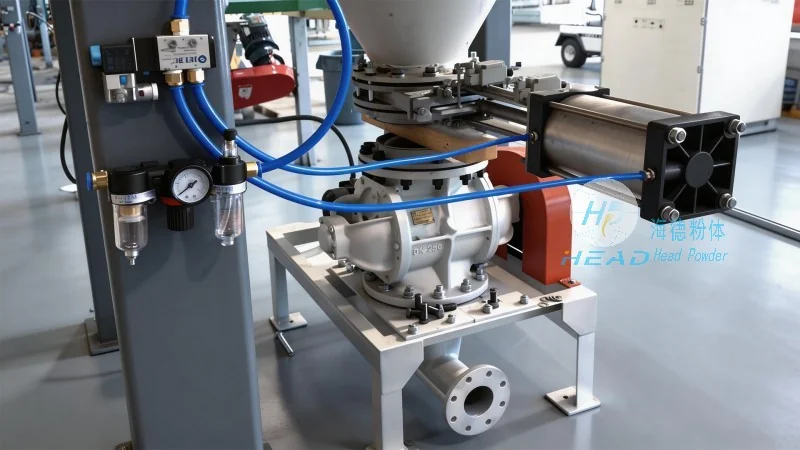
System Components and Design Considerations
Effective pneumatic conveying of silicon micropowder materials requires a well-designed system with appropriate components. The primary components include the material feed hopper, which ensures a consistent supply of powder; the conveying line, which may be made of stainless steel or other corrosion-resistant materials to handle the abrasive nature of micropowders; and the air supply system, which can be either positive pressure (blower) or negative pressure (vacuum pump). The choice between these systems depends on the specific application, with positive pressure systems often preferred for long-distance or high-volume conveying due to their ability to handle larger particle sizes and higher flow rates. Additionally, the system may include in-line filters, cyclones, and dust collectors to separate the material from the air stream and prevent clogging or contamination.
Advantages and Challenges in Silicon Micropowder Pneumatic Conveying
Pneumatic conveying offers several advantages when handling silicon micropowder materials. These include the ability to transport materials over long distances without the need for intermediate storage or handling, reduced labor costs due to automated systems, and improved safety by minimizing direct human contact with the material. However, challenges also exist, such as the risk of material degradation due to high velocities, the need for regular maintenance to prevent wear and tear, and the potential for system blockages caused by agglomerates or moisture. Proper system design and regular maintenance are crucial to mitigate these challenges and ensure reliable operation.
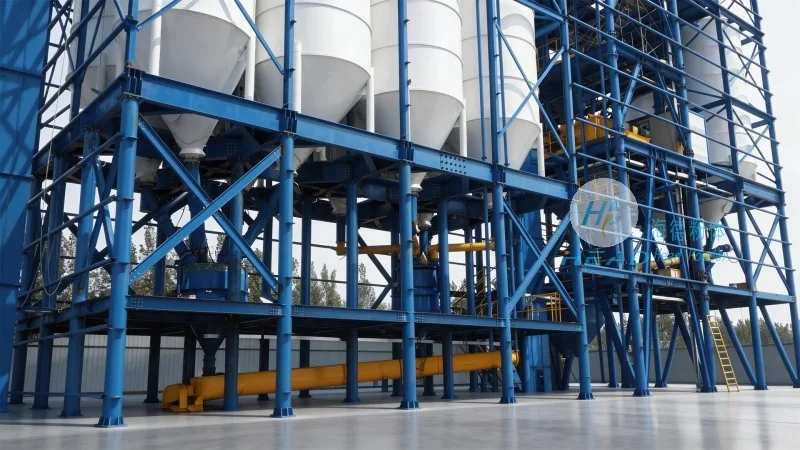
Application Examples and Industry Impact
Silicon micropowder pneumatic conveying systems are widely used in various industries, including electronics, ceramics, and chemical manufacturing. For instance, in the semiconductor industry, silicon micropowders are used as raw materials for wafer production, and pneumatic conveying ensures that the material is delivered to the production line in a clean and controlled manner, minimizing the risk of contamination. In the ceramics industry, silicon micropowders are used as additives to improve the properties of ceramic products, and the efficient conveying of these materials helps to maintain consistent product quality. The impact of these systems extends beyond material transport, as they contribute to overall process efficiency and cost reduction in manufacturing operations.
Conclusion: The Role of HeadPowder in Pneumatic Conveying Solutions
HeadPowder Engineering Co., Ltd., based in Shandong, China, is at the forefront of developing advanced pneumatic conveying solutions tailored to the unique needs of silicon micropowder applications. By leveraging their expertise in material handling technology, HeadPowder provides customized systems that address the challenges of conveying fine powders while ensuring high efficiency, reliability, and safety. The company's commitment to innovation and quality ensures that their systems meet the stringent requirements of modern industrial applications, supporting the growth and success of industries that rely on silicon micropowder materials.




