HeadPowder, a leading engineering firm based in Shandong, China, specializes in the design and implementation of advanced pneumatic conveying systems tailored for the transportation of coke particle materials. This article delves into the fundamental principles behind these systems and highlights the key characteristics of their operational environments, providing a comprehensive overview for industries seeking efficient and reliable material handling solutions.
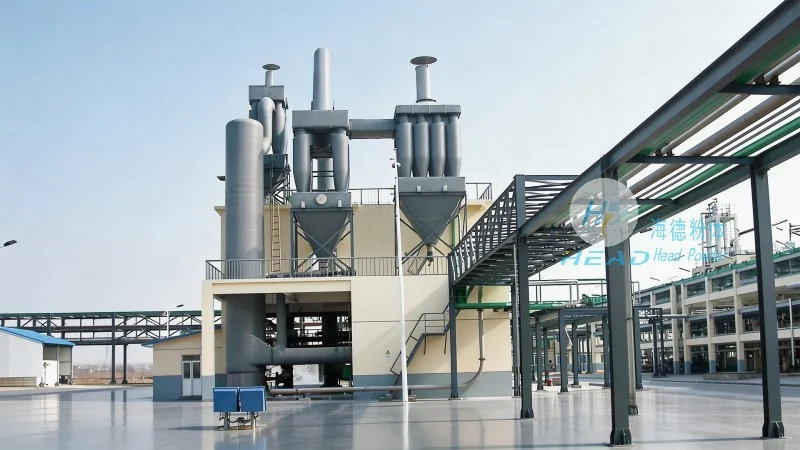
The Core Principle of Pneumatic Conveying for Coke Particles
Pneumatic conveying, also known as air conveying, is a method that utilizes pressurized or vacuum air to transport solid particles, such as coke, through a pipeline. The process involves creating a flow of air that carries the coke particles from the source to the destination. For coke, which is typically a coarse, abrasive material, the system must be engineered to handle the specific physical properties of the material, including its density, size distribution, and flow characteristics. The core principle revolves around generating sufficient air velocity to lift and transport the particles while maintaining system efficiency and minimizing wear on components.
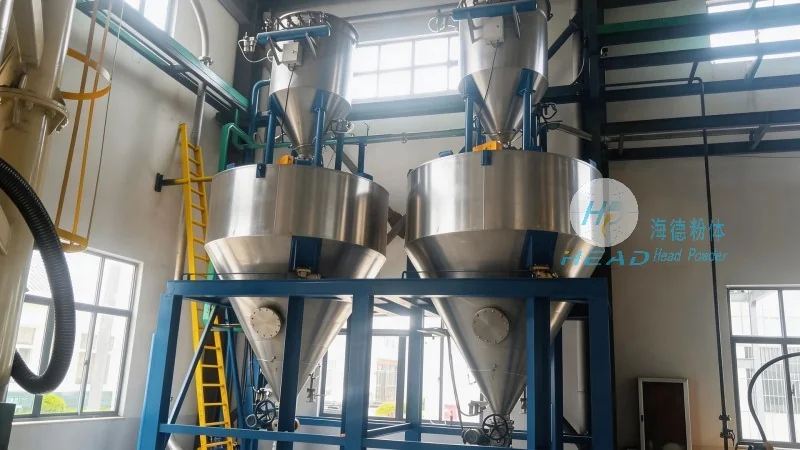
Key Working Scene Characteristics of Pneumatic Conveying Systems
The operational environment of pneumatic conveying systems for coke particles is characterized by several critical factors that influence system design and performance. First, the material's abrasive nature requires robust equipment, such as high-quality pipelines, valves, and pumps, to withstand the constant friction and impact. Second, the particle size and density of coke can affect the air velocity required for effective transport, necessitating precise control of air pressure and flow rates. Third, the system's layout and integration with existing industrial processes are crucial, as coke is often part of larger production lines, requiring seamless connectivity between storage, processing, and distribution stages. Additionally, the need for dust control and environmental compliance is a significant consideration, as coke particles can generate airborne dust during handling, which must be managed through proper filtration and ventilation systems.
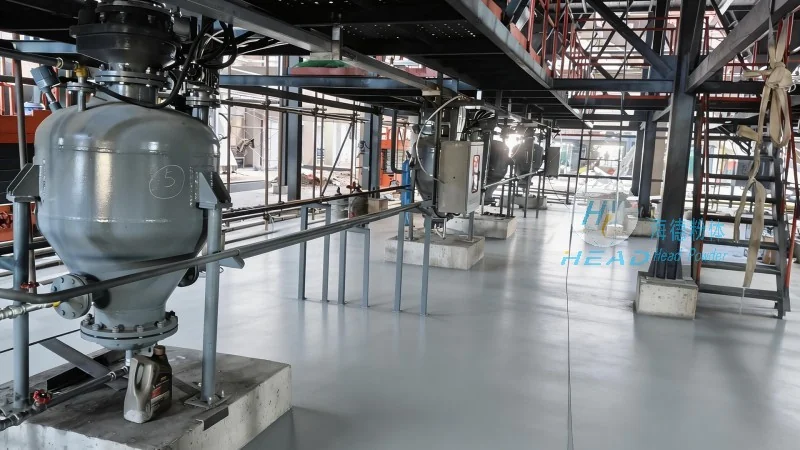
Application Scenarios and System Configurations
Pneumatic conveying systems for coke particles are employed in a variety of industrial settings, each with unique requirements that dictate system configuration. For example, in steel production facilities, coke is used as a fuel and reducing agent in blast furnaces, and the conveying system must ensure a continuous and reliable supply of coke to the furnace. In this scenario, a high-capacity, high-pressure system is often employed to transport large volumes of coke over long distances. Another application is in coke processing plants, where coke is transported from storage silos to processing equipment, such as crushers or screens. Here, a combination of pressure and vacuum conveying may be used to handle different stages of the process, with vacuum systems typically used for short-distance transport or when the material needs to be returned to a storage point. The choice of system configuration—whether pressure, vacuum, or a hybrid—depends on factors like the distance between source and destination, the volume of material to be transported, and the need for flexibility in the operational setup.
Advantages of Pneumatic Conveying for Coke Handling
Compared to traditional mechanical conveying methods, such as belt conveyors or bucket elevators, pneumatic conveying offers several advantages for handling coke particles. One of the primary benefits is the ability to transport materials in a closed system, which reduces dust emissions and improves environmental safety. This is particularly important for coke, as it can be a source of air pollution if not properly contained. Another advantage is the flexibility in system layout, as pneumatic conveying systems can be easily reconfigured to accommodate changes in production processes or facility expansions. Additionally, the system can handle a wide range of particle sizes and densities, making it suitable for various coke types, from low-grade to high-grade coke. The reduced need for maintenance compared to mechanical systems is also a significant advantage, as the absence of moving parts in the conveying line minimizes wear and tear, leading to lower operational costs over time.
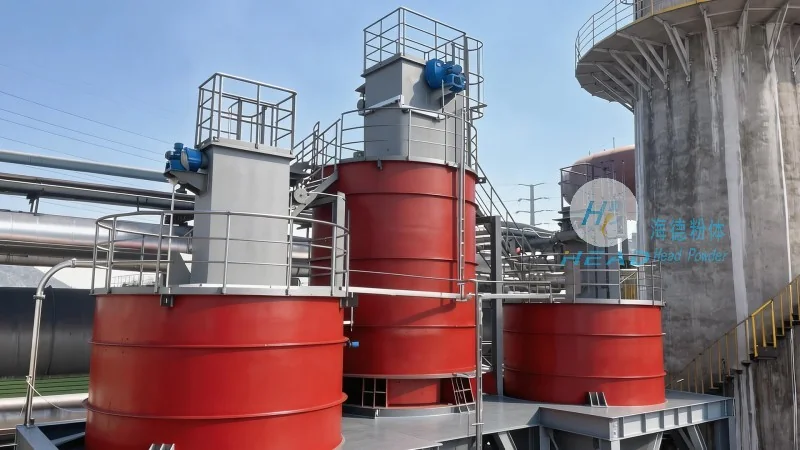
Conclusion and Company Expertise
HeadPowder Engineering Co., Ltd., with its headquarters in Shandong, China, is a trusted provider of pneumatic conveying solutions for coke particle materials. By leveraging advanced engineering principles and years of industry experience, the company designs systems that are tailored to the specific needs of each client, ensuring optimal performance, efficiency, and reliability. Whether for steel production, coke processing, or other industrial applications, HeadPowder's expertise in pneumatic conveying technology provides a robust solution for the transportation of coke, meeting the demands of modern industrial operations while adhering to environmental and operational standards.




