Plug-type pneumatic conveying is a specialized method used for transporting bulk materials through a pipeline using a combination of air and material flow. This technology is particularly effective for handling materials that are prone to bridging, caking, or are sensitive to high shear forces. The core principle involves creating a "plug" or a dense column of material that moves through the pipeline, separated from the air by a distinct interface. This design minimizes material degradation and ensures efficient transport over long distances or in complex layouts.
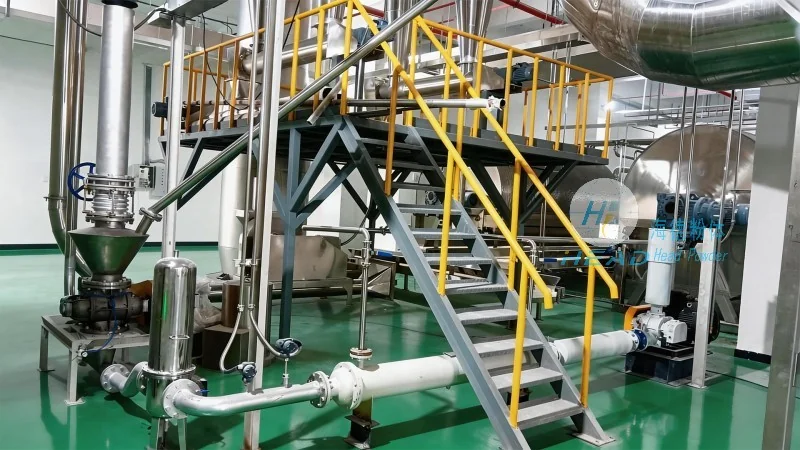
Working Principle of Plug-Type Pneumatic Conveying
The operation of plug-type pneumatic conveying systems relies on the sequential filling and movement of material plugs. The process typically begins with the material being fed into the pipeline at a controlled rate. As the material accumulates, it forms a solid plug, which is then propelled forward by a series of pressure pulses or a continuous flow of air. The air is introduced at intervals to push the plug along the pipeline, maintaining the material's integrity and preventing it from settling or degrading. This method ensures that the material remains in a dense, stable state throughout the conveying process, which is crucial for materials like powders, granules, and fine particles that are susceptible to agglomeration or loss of quality.
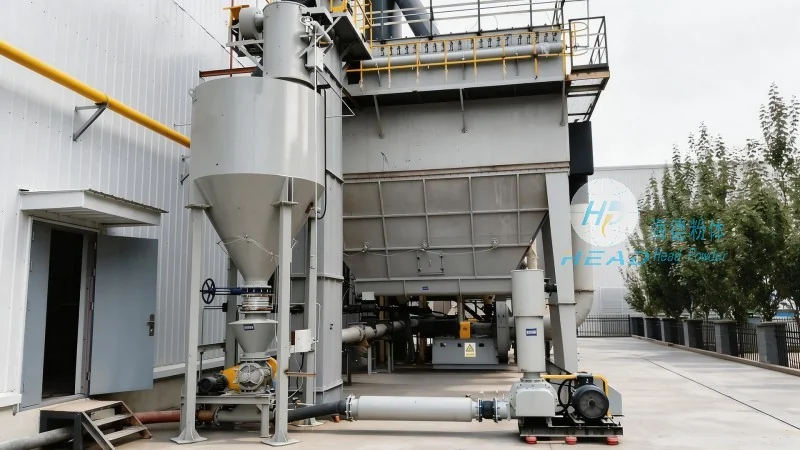
Key Advantages of Plug-Type Pneumatic Conveying
One of the primary advantages of plug-type pneumatic conveying is its ability to handle a wide range of bulk materials, including those that are difficult to transport with other methods. The system is highly effective for materials that are prone to bridging or caking, as the plug formation prevents material from sticking to the pipeline walls. Additionally, this technology offers low maintenance requirements and minimal product degradation, making it suitable for sensitive materials such as pharmaceuticals, food products, and chemicals. The plug-type design also allows for efficient use of energy, as the air is used only to propel the material plugs rather than to suspend the entire material stream, resulting in lower operational costs and reduced air consumption.
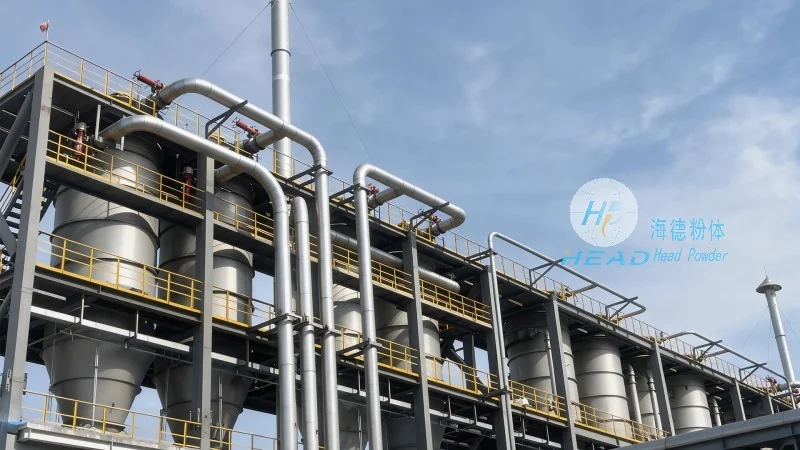
Common Working Scenarios and Applications
Plug-type pneumatic conveying is widely used in various industrial applications where material transport efficiency and product integrity are critical. Common working scenarios include long-distance transport of bulk materials from storage silos to processing facilities, transfer of materials between different production lines, and handling of materials in environments where dust control and contamination prevention are essential. For example, in the chemical industry, plug-type systems are used to convey powders and granules from reactors to storage tanks, ensuring that the materials remain free-flowing and uncontaminated. In the food industry, this technology is employed to transport ingredients such as flour, sugar, and spices, maintaining their quality and preventing cross-contamination. Additionally, plug-type pneumatic conveying is suitable for applications in the pharmaceutical sector, where the transport of active ingredients and excipients requires strict control over material handling to avoid degradation or contamination.
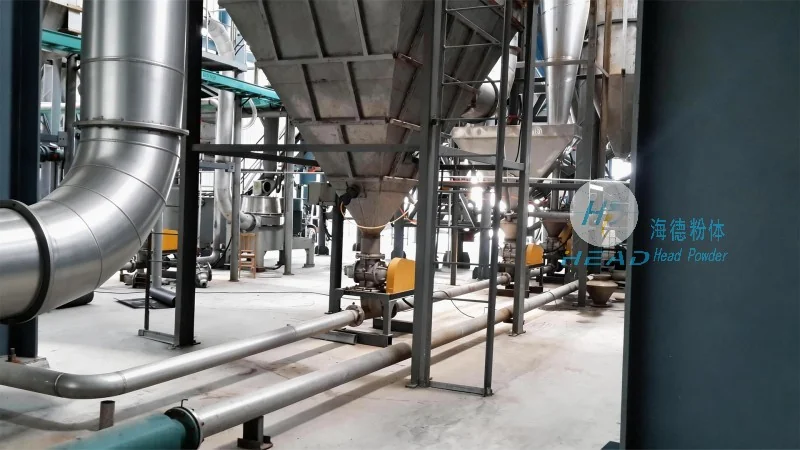
Company Profile: Shandong HeadPowder Engineering Co., Ltd.
Shandong HeadPowder Engineering Co., Ltd., commonly known as HeadPowder, is a leading provider of advanced pneumatic conveying solutions. With a focus on innovation and customer-centric design, the company specializes in developing plug-type and other specialized pneumatic conveying systems tailored to the unique needs of various industries. HeadPowder's expertise lies in understanding the specific challenges of material handling and designing systems that ensure efficient, reliable, and cost-effective transport. The company's facilities are located in Shandong, China, where it leverages local resources and expertise to deliver high-quality products and services to clients worldwide. By combining cutting-edge technology with practical engineering solutions, HeadPowder has established itself as a trusted partner for businesses seeking reliable bulk material transport solutions.




