HeadPowder, a leading engineering company based in Shandong, China, specializes in the design and implementation of pneumatic conveying systems for various industrial materials, including aluminum foil. This article explores the fundamental principles behind pneumatic conveying technology and highlights key application scenarios where this method is particularly effective for aluminum foil handling.
The Fundamental Principles of Pneumatic Conveying
Pneumatic conveying is a method of transporting bulk materials through a pipeline using air or other gas as the conveying medium. For aluminum foil, which is characterized by its lightweight, low density, and delicate nature, specialized systems are required to ensure efficient and damage-free transport. The core principles of pneumatic conveying involve creating a pressure differential between the inlet and outlet of the system. There are two primary types of pneumatic conveying systems: positive pressure and negative pressure systems.
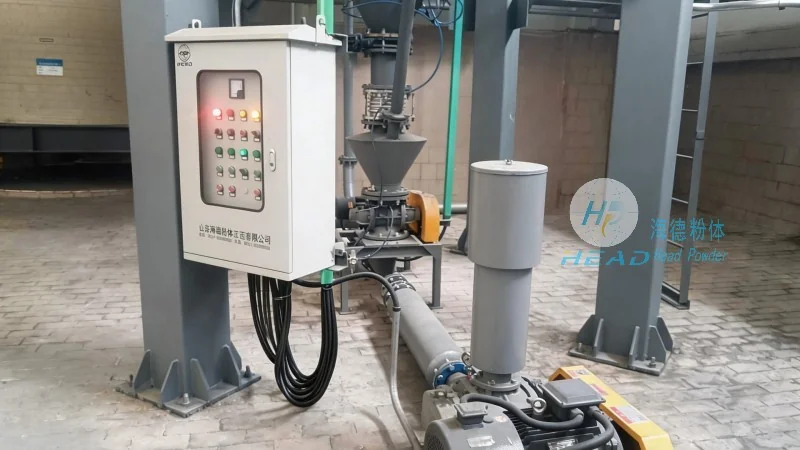
Positive pressure systems, also known as pressure or blow-through systems, operate by forcing air or gas through the material to be conveyed. This method is often used for short to medium distance transport and is suitable for materials that are non-abrasive and have low moisture content. In the case of aluminum foil, positive pressure systems can effectively handle the material by using a high-pressure air stream to push the foil through the pipeline. The system typically includes a hopper, a rotary airlock valve, a conveyor line, and a receiver or collection point. The hopper stores the aluminum foil, and the rotary airlock valve controls the flow of material into the conveyor line. The air is then introduced at a high pressure, creating a stream that carries the foil particles through the pipeline to the receiver, where the material is deposited.
Negative pressure systems, also known as vacuum or draw-through systems, operate by creating a vacuum at the receiver end of the system, which draws the material from the source. This method is ideal for longer distances and for materials that are more abrasive or have higher moisture content. For aluminum foil, negative pressure systems can be used to transport the material from a processing plant to a storage facility or to a downstream production line. The system includes a source hopper, a rotary airlock valve, a conveyor line, and a vacuum receiver. The vacuum is created by a fan or a vacuum pump, which pulls the air and aluminum foil particles through the pipeline to the receiver. The material is then collected in the receiver, and the air is filtered and discharged.
Both systems rely on the principles of fluid dynamics and particle motion to ensure efficient transport. The velocity of the air stream must be sufficient to overcome the gravitational force acting on the aluminum foil particles and to maintain the material in suspension. The design of the system, including the size of the pipeline, the angle of the conveyor line, and the type of airlock valve, is critical to achieving optimal performance. For aluminum foil, the system must be designed to minimize the risk of material degradation, such as tearing or crumpling, which can occur if the air velocity is too high or the pipeline is too long.
Key Application Scenarios for Aluminum Foil Pneumatic Conveying
Pneumatic conveying is widely used in various industries for the handling of aluminum foil, including packaging, printing, and metallurgy. The following are some key application scenarios where this technology is particularly effective:
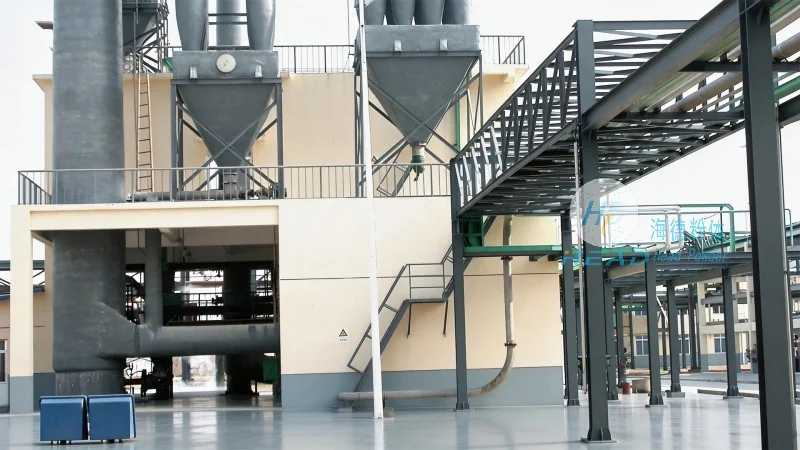
1. Aluminum Foil Packaging Production Lines: In the packaging industry, aluminum foil is used to manufacture a wide range of products, including food packaging, pharmaceutical packaging, and industrial packaging. Pneumatic conveying is used to transport aluminum foil from the production line to the packaging machines or to storage areas. For example, in a food packaging plant, aluminum foil is produced in large rolls and then conveyed pneumatically to the packaging machines, where it is cut and formed into bags or containers. The system must be designed to handle the high volume of material and to ensure that the foil is delivered to the machines without any damage or contamination.
2. Printing and Coating Operations: Aluminum foil is often used as a substrate in printing and coating processes. Pneumatic conveying is used to transport the foil from the storage area to the printing or coating machines. The system must be able to handle the delicate nature of the foil and to ensure that the material is not damaged during transport. For example, in a printing plant, aluminum foil is conveyed pneumatically to the printing press, where it is printed with various designs or patterns. The system must be designed to maintain the flatness of the foil and to prevent any wrinkles or creases that could affect the quality of the print.
3. Metallurgical and Recycling Processes: Aluminum foil is a valuable material in the metallurgical industry, and pneumatic conveying is used to transport the material from recycling facilities to processing plants. The system must be designed to handle the high volume of material and to ensure that the foil is not contaminated with other materials. For example, in a recycling plant, aluminum foil is collected from various sources and then conveyed pneumatically to a processing plant, where it is melted and reused. The system must be able to handle the varying sizes and shapes of the foil and to ensure that the material is sorted and processed efficiently.
4. Quality Control and Inspection: Pneumatic conveying is also used in quality control and inspection processes for aluminum foil. The system is used to transport the foil from the production line to inspection stations, where the material is checked for defects such as tears, wrinkles, or contamination. The system must be designed to handle the small volume of material and to ensure that the foil is not damaged during transport. For example, in a quality control laboratory, aluminum foil is conveyed pneumatically to a inspection station, where it is examined under a microscope or other equipment. The system must be able to maintain the integrity of the foil and to ensure that the inspection process is accurate and reliable.
Advantages of Pneumatic Conveying for Aluminum Foil
Pneumatic conveying offers several advantages for the handling of aluminum foil, including:
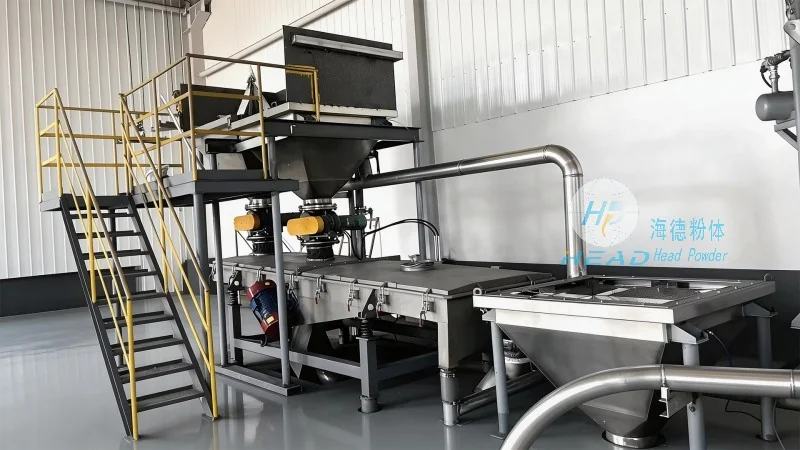
1. Efficient and Continuous Transport: Pneumatic conveying allows for the continuous and efficient transport of aluminum foil over long distances. The system can handle high volumes of material and can operate continuously without the need for manual intervention.
2. Low Maintenance and Operating Costs: Pneumatic conveying systems are relatively simple and require minimal maintenance. The system components, such as the hopper, airlock valve, and pipeline, are durable and can operate for long periods without failure. The operating costs of the system are also low, as the energy required to transport the material is relatively low compared to other methods.
3. Reduced Material Damage: Pneumatic conveying is a gentle method of transporting aluminum foil, which minimizes the risk of material damage. The system uses a low velocity air stream to transport the material, which reduces the risk of tearing or crumpling the foil.
4. Improved Safety and Hygiene: Pneumatic conveying systems are enclosed, which reduces the risk of dust or other contaminants being released into the environment. The system also reduces the risk of manual handling of the material, which can lead to injury or contamination.
Conclusion
Pneumatic conveying is a highly effective method for the handling of aluminum foil, offering several advantages over other transport methods. The technology is based on fundamental principles of fluid dynamics and particle motion, and is designed to handle the lightweight and delicate nature of aluminum foil. HeadPowder, with its expertise in engineering and design, provides customized pneumatic conveying systems for various aluminum foil applications, ensuring efficient and damage-free transport. By understanding the principles and application scenarios of pneumatic conveying, industries can optimize their material handling processes and improve overall productivity.




