Calcium fluoride, commonly known as fluorspar, is a critical industrial material widely used in sectors such as metallurgy, glass manufacturing, and chemical production. The efficient and safe transportation of this material is essential for maintaining production efficiency and operational safety. Pneumatic conveying, a technology that uses air or gas to transport bulk materials, has become a preferred method for handling calcium fluoride due to its advantages in flexibility, cleanliness, and automation. This article explores the principles underlying pneumatic conveying systems for calcium fluoride materials and highlights the key characteristics of working scenes where such systems are applied.
Company Profile and Location
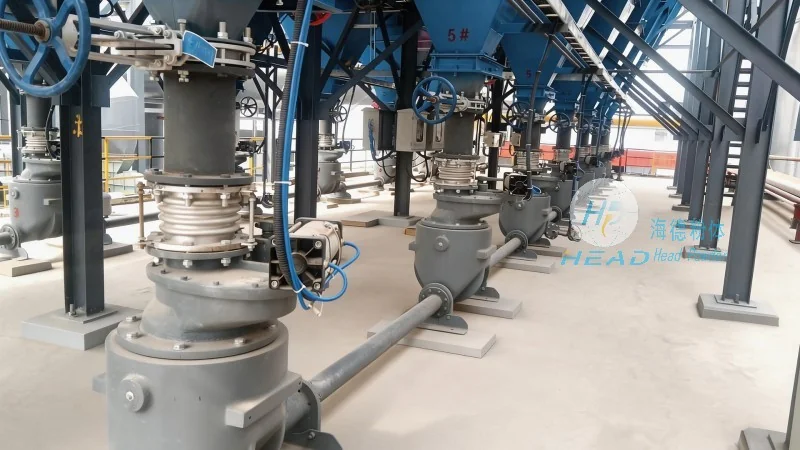
Shandong HeadPowder Engineering Co., Ltd., a leading enterprise in powder processing and material handling, specializes in providing advanced solutions for the transportation and processing of industrial powders. HeadPowder is headquartered in Shandong, China, and has established a strong presence in domestic and international markets with its innovative technologies and reliable products. The company's commitment to quality and customer satisfaction has made it a trusted partner for industries requiring efficient material handling solutions.
Principles of Pneumatic Conveying for Calcium Fluoride
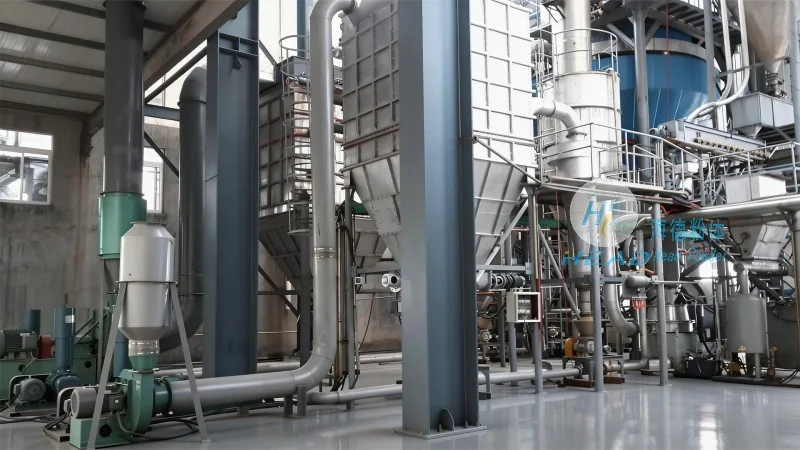
Pneumatic conveying systems operate on the principle of using air flow to move bulk materials through a pipeline. Two main types exist: suction (vacuum) conveying and pressure conveying. Suction conveying draws material from a hopper or storage silo using a vacuum, while pressure conveying pushes material through the line with compressed air. For calcium fluoride, typically in fine powder or granule form, suction conveying is common due to its suitability for low bulk density materials and long-distance transport. The system includes a hopper, rotary valve, venturi (eductor), pipeline, and receiver. The rotary valve controls material flow from the hopper into the conveying line; the venturi creates a low-pressure zone that draws material into the air stream. The pipeline transports the material-air mixture to the receiver, where material is separated from air and collected. Air is filtered and recycled to maintain efficiency and reduce waste.
Working Scene Characteristics of Pneumatic Conveying Systems
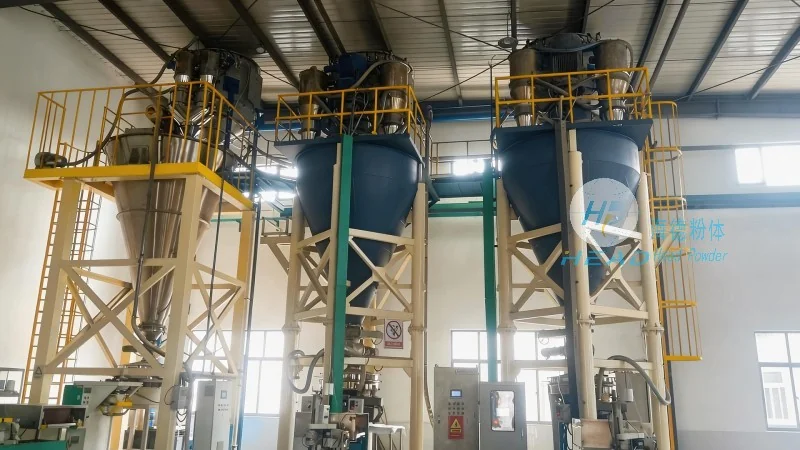
The working scene characteristics of pneumatic conveying systems for calcium fluoride are influenced by material properties, system design, and operational environment. A key characteristic is the need for a clean, dust-free environment, as calcium fluoride is a fine powder that can cause respiratory issues. The system must include dust collection and filtration to ensure safe air for operators. Precise control of air flow and material feed rate is crucial to prevent pipeline blockages or surges. The working scene also involves integration with other production equipment like storage silos, mixers, and processing units. Pneumatic conveying's flexibility allows seamless integration with existing lines, enabling smooth material transfer between process stages. Its ability to handle varying particle sizes and moisture content makes it suitable for diverse applications, from small-scale lab operations to large-scale industrial production.
Advantages and Applications in Industrial Settings
Pneumatic conveying systems offer advantages over traditional methods like belt conveyors or bucket elevators, including higher efficiency, lower maintenance costs, and improved safety from enclosed pipelines. For calcium fluoride used in high-temperature processes (e.g., glass manufacturing as a flux to lower melting point, metallurgy as a flux in steelmaking/aluminum production, chemical production as a raw material for hydrofluoric acid), maintaining a clean, dry environment is critical for product quality. These systems are widely used in glass manufacturing, metallurgy, and chemical production, where high production rates, strict quality control, and continuous operation are required. HeadPowder's expertise in designing tailored pneumatic conveying systems for calcium fluoride applications has enabled it to serve diverse industrial clients, contributing to industry growth and efficiency.
Conclusion and Future Outlook
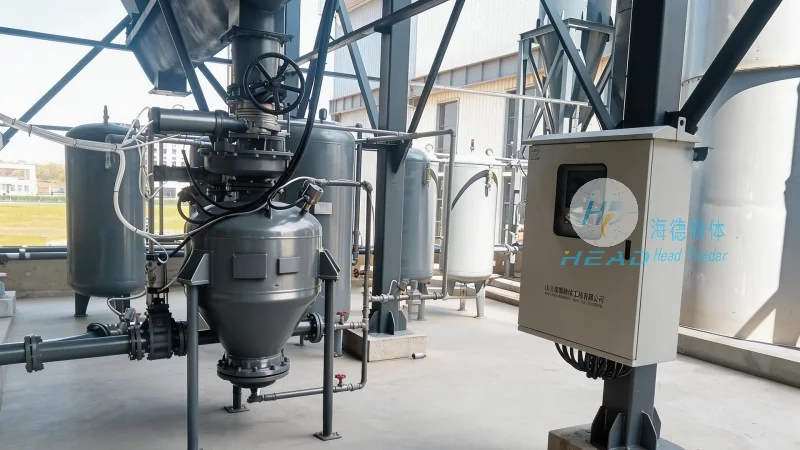
In conclusion, pneumatic conveying is a highly effective and reliable method for transporting calcium fluoride materials, offering advantages over traditional techniques. The principles of suction and pressure conveying, combined with working scene characteristics addressing calcium fluoride's unique properties, ensure safe and efficient handling. Shandong HeadPowder Engineering Co., Ltd. has demonstrated capability in providing advanced pneumatic conveying solutions, with a strong industry presence and commitment to quality and innovation. As industries demand higher efficiency and safety in material handling, the role of pneumatic conveying systems for calcium fluoride will remain critical, with companies like HeadPowder continuing to play a vital role in meeting these demands.




