Sulfur powder, a common chemical raw material widely used in industries such as chemical manufacturing, metallurgy, and agriculture, often requires efficient and reliable material handling solutions for its transportation. Pneumatic conveying, as a key technology in powder material transport, offers a versatile approach to move sulfur powder from storage to processing units or other destinations. This article explores the fundamental principles of sulfur powder pneumatic conveying and highlights the distinct characteristics of its application scenarios, providing insights into how this technology optimizes material handling processes.
Principles of Sulfur Powder Pneumatic Conveying
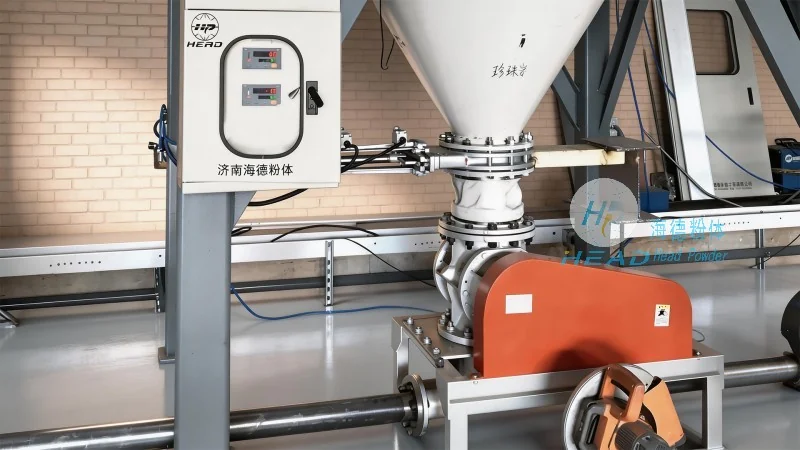
Pneumatic conveying operates on the principle of using air or gas to transport particulate materials through a pipeline system. In the case of sulfur powder, the process typically involves generating a high-velocity airflow within a duct, which lifts and propels the powder particles. The core mechanisms include the creation of a negative pressure (in suction systems) or positive pressure (in pressure systems) to draw or push the powder through the pipeline. The efficiency of this method depends on several factors, including the particle size, density, and flowability of the sulfur powder, as well as the design of the conveying system, such as the type of airlock, cyclone separator, and pipeline configuration. For sulfur powder, which is often fine and has a relatively low bulk density, specialized equipment like rotary airlocks and high-efficiency cyclones is crucial to prevent particle degradation and ensure smooth transport.
Key Components and Their Roles in Sulfur Powder Pneumatic Conveying Systems
A typical sulfur powder pneumatic conveying system comprises several essential components that work in tandem to achieve effective material transport. The primary components include a material feed hopper, an air supply system (either a blower or compressor), a conveying pipeline, and a collection or discharge unit. The material feed hopper is designed to store and meter the sulfur powder, ensuring a consistent flow rate into the system. The air supply system generates the necessary airflow, with the pressure level (suction or pressure) determining the conveying method. The conveying pipeline, often made of materials resistant to sulfur's corrosive properties, such as stainless steel or specialized plastics, transports the powder-air mixture. At the receiving end, components like cyclone separators or bag filters separate the sulfur powder from the air, allowing the powder to be collected in a storage bin or processing vessel. The air is then either vented or recirculated, depending on the system design. Each component plays a critical role in maintaining the integrity of the sulfur powder and the efficiency of the conveying process, especially given the powder's potential for dust generation and its chemical reactivity.
Application Scenarios of Sulfur Powder Pneumatic Conveying
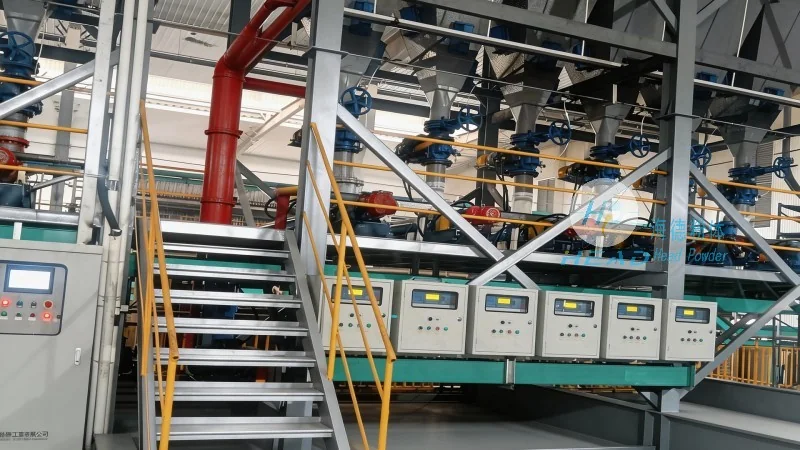
The application scenarios for sulfur powder pneumatic conveying vary based on the industrial processes and the scale of operations. In chemical manufacturing, sulfur powder is commonly used as a raw material for producing sulfuric acid, fertilizers, and other sulfur-based compounds. Pneumatic conveying is ideal for transporting sulfur powder from bulk storage silos to reactors or processing lines, where precise control over the material flow is essential. In metallurgical applications, sulfur is used as a flux or in the production of sulfuric acid from sulfuric ores, and pneumatic systems help move the powder efficiently between crushing, grinding, and processing stages. Agricultural industries also utilize sulfur powder for fungicide applications, and pneumatic conveying enables the distribution of the powder to storage tanks or application equipment with minimal dust and loss. The versatility of pneumatic conveying makes it suitable for both small-scale laboratory operations and large-scale industrial plants, adapting to different production capacities and environmental requirements.
Advantages of Pneumatic Conveying for Sulfur Powder Handling
Compared to traditional mechanical conveying methods like screw conveyors or belt conveyors, pneumatic conveying offers several advantages when handling sulfur powder. One of the most significant benefits is the ability to transport the powder in a closed system, which minimizes dust emissions and protects the material from contamination or degradation. This is particularly important for sulfur powder, as it can be prone to oxidation or moisture absorption, which may affect its quality and usability. Additionally, pneumatic systems allow for flexible routing of the pipeline, enabling the powder to be transported to multiple destinations from a single source, reducing the need for multiple transfer points and simplifying the overall material flow. The technology also provides better control over the flow rate and pressure, ensuring consistent delivery of the sulfur powder to processing units. Furthermore, pneumatic conveying can handle a wide range of particle sizes and bulk densities, making it adaptable to different sulfur powder characteristics. These advantages make pneumatic conveying a preferred choice for industries that require high-purity sulfur powder and efficient, dust-free material handling.
Challenges and Considerations in Sulfur Powder Pneumatic Conveying
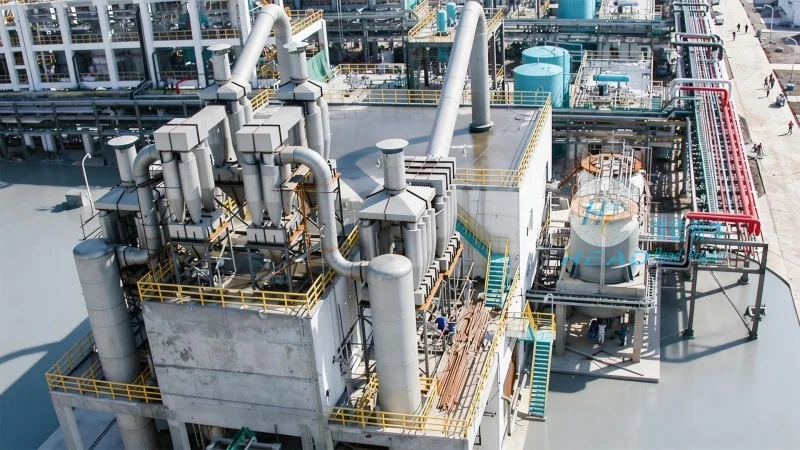
While pneumatic conveying offers numerous benefits, it also presents certain challenges and considerations when handling sulfur powder. One of the primary challenges is the potential for particle agglomeration or caking, especially if the sulfur powder is stored for extended periods or exposed to moisture. This can lead to blockages in the pipeline or airlock, reducing the system's efficiency. To mitigate this, proper storage conditions and regular maintenance of the conveying system are essential. Another consideration is the corrosive nature of sulfur, which may affect the materials used in the pipeline and components. Stainless steel or specialized corrosion-resistant materials are often used to prevent degradation and ensure the longevity of the system. Additionally, the high velocity of the air in the pipeline can cause wear and tear on the components, particularly the cyclone separators and airlocks, which may require periodic replacement or maintenance. Proper design and selection of equipment, based on the specific properties of the sulfur powder, are crucial to address these challenges and ensure the reliable operation of the pneumatic conveying system.
HeadPowder Engineering Co., Ltd.: Expertise in Sulfur Powder Pneumatic Conveying Solutions
Shandong HeadPowder Engineering Co., Ltd., a leading provider of material handling solutions, specializes in designing and implementing pneumatic conveying systems tailored to the unique needs of sulfur powder applications. With a deep understanding of the principles and challenges associated with sulfur powder transport, HeadPowder offers customized solutions that optimize material flow, minimize dust emissions, and enhance operational efficiency. The company's expertise includes the selection of appropriate equipment, such as high-efficiency cyclones and corrosion-resistant pipelines, to ensure the reliable handling of sulfur powder. HeadPowder's team of engineers works closely with clients to assess their specific requirements, from small-scale laboratory operations to large-scale industrial plants, and develops tailored pneumatic conveying systems that meet their production goals and environmental standards. Based in Shandong, China, HeadPowder leverages its local presence and industry knowledge to provide comprehensive support, including system design, installation, and maintenance services. By partnering with HeadPowder, industries dealing with sulfur powder can benefit from advanced technology and expert guidance to improve their material handling processes and achieve higher productivity and safety.




