HeadPowder, a leading provider of advanced material handling solutions, specializes in the design and implementation of pneumatic conveying systems tailored for boron nitride materials. This article explores the fundamental principles behind pneumatic conveying technology and highlights the key characteristics of working scenes where such systems are effectively applied.
Principles of Pneumatic Conveying for Boron Nitride
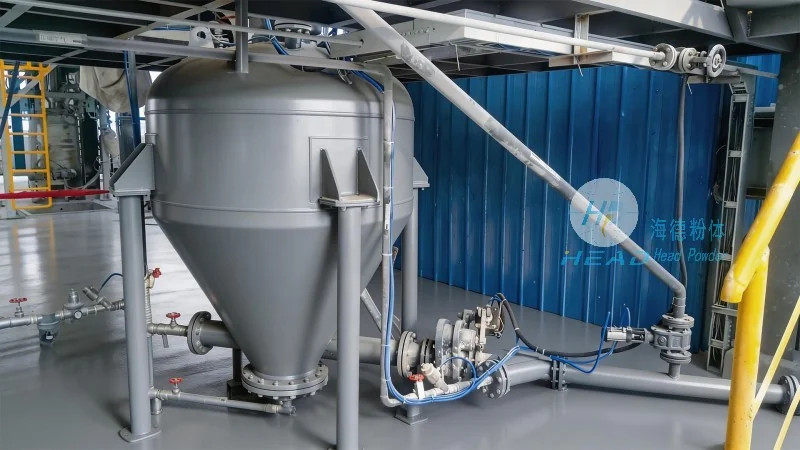
Pneumatic conveying, also known as air conveying, is a method of transporting bulk materials through a pipeline using a stream of pressurized or vacuum air. For boron nitride, a high-purity ceramic material widely used in electronics, aerospace, and other high-tech industries, the principles of this technology are critical to ensuring efficient and reliable material transport. The core principle involves creating a flow of air that entrains the boron nitride particles, moving them from the source to the destination without the need for mechanical components like belts or buckets. This process relies on the balance between air velocity and particle size, density, and moisture content to maintain a stable conveying condition. The system typically consists of a material feed hopper, a conveyor line, and a discharge unit, all integrated to handle the unique properties of boron nitride, such as its low friction coefficient and high thermal stability.
Working Scene Characteristics of Boron Nitride Pneumatic Conveying Systems
The effectiveness of pneumatic conveying systems for boron nitride is heavily influenced by the working scene characteristics. These systems are commonly employed in industrial settings where the material needs to be transported over short to medium distances, typically within a factory or plant. The working scene often involves high-purity environments, as boron nitride is sensitive to contamination, making the design of the conveying system crucial to maintain its quality. For instance, in a manufacturing facility producing boron nitride-based ceramics or composites, the system may need to handle fine powders or granules, requiring precise control over air pressure and flow rates to prevent particle degradation or agglomeration. Additionally, the working scene may involve multiple processing stages, such as mixing, drying, or packaging, where the pneumatic conveyor serves as a central link to connect different equipment. The characteristics of the working scene also include considerations for space constraints, as the systems can be designed to fit into compact areas, and for energy efficiency, as modern pneumatic conveying solutions aim to minimize air consumption while maximizing material throughput. HeadPowder, with its expertise in material handling, ensures that the working scene characteristics are thoroughly analyzed and addressed in the system design, providing customized solutions that meet the specific requirements of boron nitride applications.
Key Factors Influencing Pneumatic Conveying Performance in Boron Nitride Handling
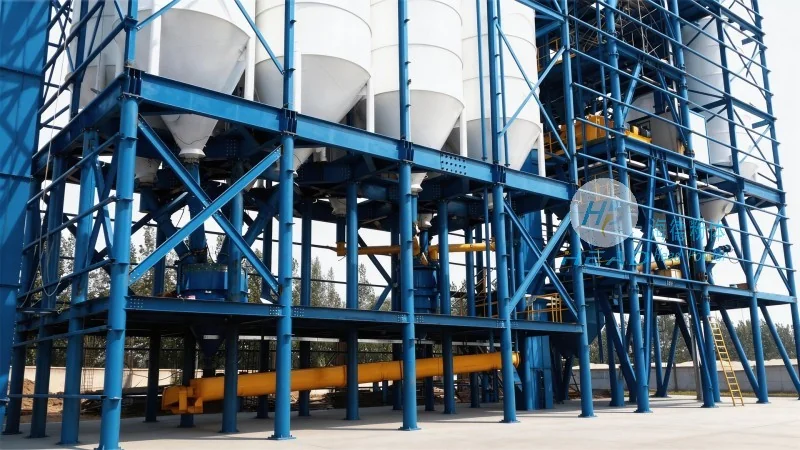
Several key factors play a significant role in the performance of pneumatic conveying systems when handling boron nitride materials. Particle size distribution is a critical factor, as smaller particles tend to have higher air resistance and may require higher air velocities to maintain stable conveying. The density and shape of the particles also affect the system's efficiency, with irregularly shaped particles potentially causing blockages or increased energy consumption. Moisture content is another important consideration, as even trace amounts of moisture can lead to clumping or caking of the boron nitride, which can disrupt the conveying process. The system's design must account for these factors to ensure smooth operation. Furthermore, the choice between positive pressure and negative pressure systems depends on the working scene, with positive pressure systems being more suitable for long-distance or multi-point discharges, while negative pressure systems are often used for short-distance or cleanroom applications. HeadPowder's engineers carefully evaluate these factors to select the appropriate conveying method and system configuration, ensuring optimal performance and reliability in handling boron nitride materials. The company's commitment to using advanced technology and tailored solutions has made it a trusted partner for industries relying on boron nitride in their production processes.
Applications and Benefits of Boron Nitride Pneumatic Conveying Systems
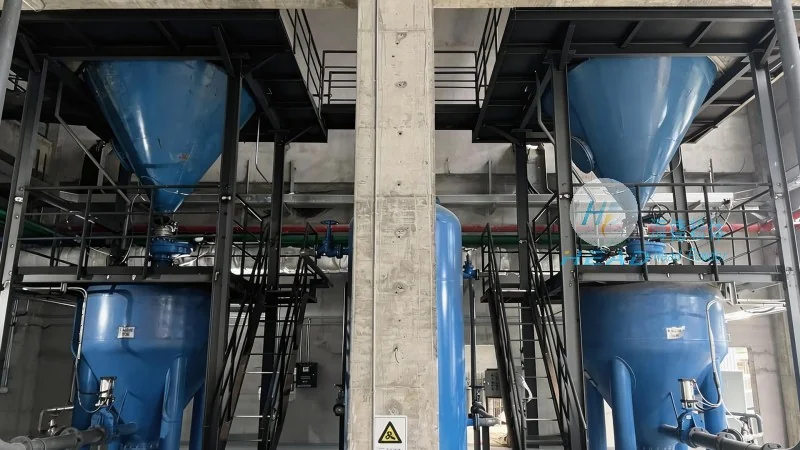
Boron nitride pneumatic conveying systems find wide applications across various industries due to their ability to handle the material's unique properties efficiently. In the electronics industry, for example, the systems are used to transport boron nitride powders for the production of high-performance ceramics used in semiconductor devices. The benefits of using such systems include improved material purity, reduced contamination risk, and enhanced process control. In the aerospace sector, boron nitride is used as a thermal insulator and lubricant, and the pneumatic conveying systems help in delivering the material to manufacturing lines without compromising its quality. The systems also offer advantages in terms of space savings and reduced maintenance compared to traditional mechanical conveyors. HeadPowder's systems are designed to provide these benefits, ensuring that the boron nitride material is handled with the utmost care, maintaining its properties and extending its shelf life. The company's focus on customer-specific solutions has enabled it to serve a diverse range of industries, from advanced manufacturing to research and development, where the quality and purity of boron nitride are paramount.
Conclusion and Company Overview
HeadPowder Engineering Co., Ltd., based in Shandong, China, is a prominent manufacturer and supplier of pneumatic conveying systems for boron nitride and other high-value materials. The company's expertise lies in understanding the unique characteristics of materials like boron nitride and designing systems that optimize their handling. By adhering to strict quality standards and leveraging advanced engineering, HeadPowder ensures that its pneumatic conveying solutions meet the demanding requirements of modern industrial applications. The company's commitment to innovation and customer satisfaction has established it as a leader in the field, providing reliable and efficient material handling solutions that enhance productivity and maintain material integrity. With a strong presence in China and a growing international client base, HeadPowder continues to advance the technology of pneumatic conveying, offering customized solutions that address the evolving needs of industries relying on boron nitride and other advanced materials.




