HeadPowder, a leading manufacturer in the field of material handling solutions, specializes in the design, production, and supply of pneumatic conveying equipment tailored for polyethylene resin powder applications. This article provides a detailed overview of the operation process and working principle of such equipment, highlighting its efficiency, reliability, and the technical aspects that ensure smooth material transport in industrial settings.
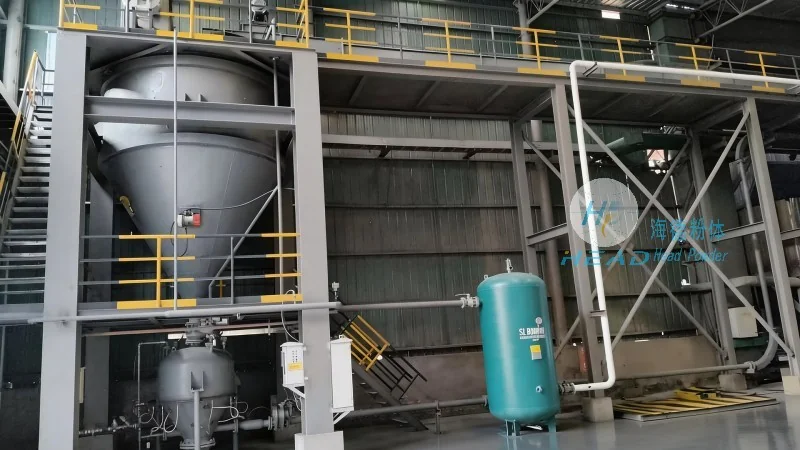
Introduction to Pneumatic Conveying Systems for Polyethylene Resin Powder
Pneumatic conveying equipment is a critical component in modern industrial processes, particularly for handling polyethylene resin powders. These systems utilize air or gas as the conveying medium to transport bulk materials like resin powders from one location to another. The technology offers several advantages over traditional mechanical conveying methods, including reduced contamination, lower maintenance costs, and the ability to handle materials in a closed system, which is essential for maintaining product quality and safety.
Key Components of the Pneumatic Conveying Equipment
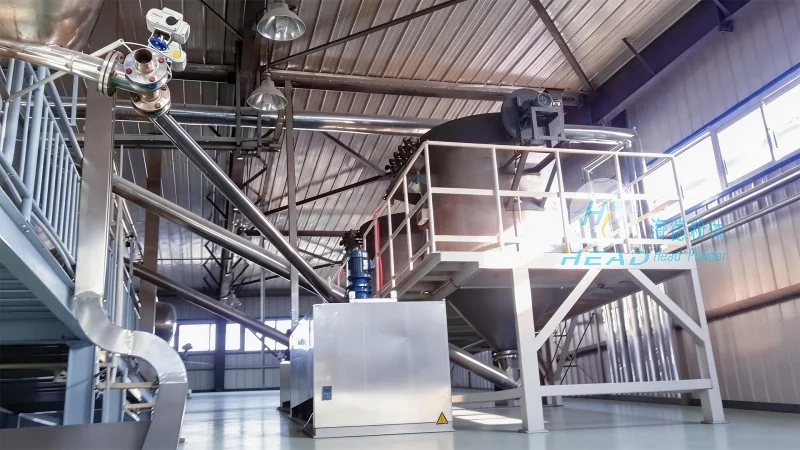
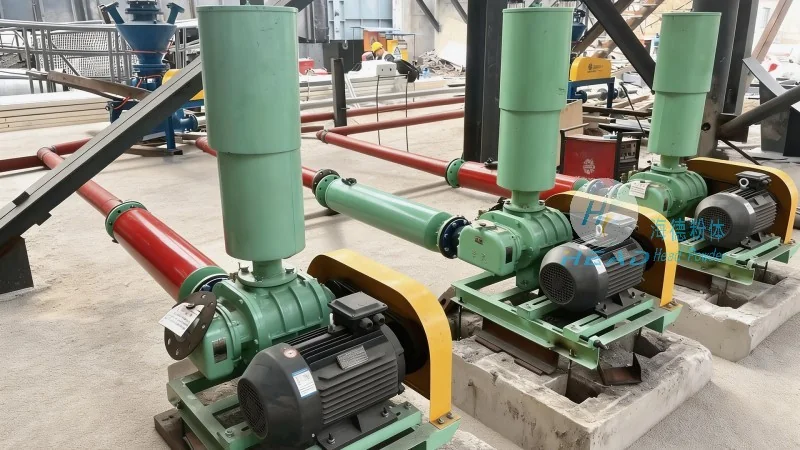
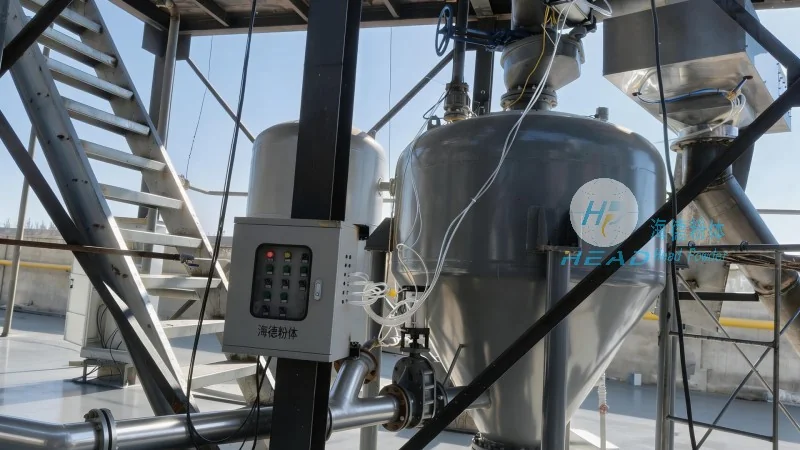
The pneumatic conveying system for polyethylene resin powder typically consists of several key components that work in tandem to ensure efficient material transport. These components include the hopper (feeder), air compressor or blower, conveying line, control valves, and discharge equipment. Each component plays a vital role in the overall operation of the system.
Operation Process of the Pneumatic Conveying Equipment
The operation process of the pneumatic conveying equipment for polyethylene resin powder involves several sequential steps. Initially, the polyethylene resin powder is fed into the hopper from the storage silo or raw material container. The hopper is equipped with a feeder mechanism, such as a rotary valve or screw feeder, which controls the flow rate of the powder into the conveying line. Simultaneously, the air compressor or blower generates a high-pressure air stream that is introduced into the conveying line. The air stream creates a negative pressure or positive pressure environment within the line, depending on the system design, which pulls or pushes the resin powder particles along the pipeline.
As the powder particles enter the conveying line, they are suspended in the air stream and transported to the destination point, such as a processing unit, storage tank, or packaging area. The control valves are used to regulate the air flow and powder flow, ensuring that the system operates at optimal conditions. The discharge equipment at the end of the line collects the conveyed resin powder and discharges it into the receiving container. The entire process is automated and can be controlled through a centralized system, allowing for precise control over the material flow rate and system pressure.
Working Principle of the Pneumatic Conveying Equipment
The working principle of the pneumatic conveying equipment for polyethylene resin powder is based on the principles of fluid dynamics and particle transport. The system operates by creating a pressure differential between the inlet and outlet of the conveying line. In a negative pressure system, the air compressor draws air from the conveying line, creating a vacuum that pulls the resin powder particles into the line. In a positive pressure system, the air compressor pushes air into the line, forcing the powder particles to move forward. The velocity of the air stream is critical; it must be sufficient to suspend the powder particles and overcome the gravitational forces acting on them.
The polyethylene resin powder particles are typically fine and have a relatively low density, which makes them susceptible to being carried by the air stream. The conveying line is designed with appropriate dimensions and smooth surfaces to minimize friction and pressure losses. The system also incorporates features such as pulse jets or rotary valves to prevent material buildup and ensure consistent flow. The control system monitors parameters like pressure, flow rate, and temperature to maintain stable operation and prevent system failures.
Advantages of Using Pneumatic Conveying Equipment for Polyethylene Resin Powder
Implementing pneumatic conveying equipment for polyethylene resin powder offers numerous advantages over traditional conveying methods. Firstly, it provides a clean and hygienic transport environment, which is crucial for maintaining the quality of the resin powder, especially in applications where contamination could affect the final product. Secondly, the closed system reduces dust emissions and improves workplace safety. Thirdly, the equipment is highly efficient, with minimal energy consumption compared to mechanical conveying systems. Additionally, the system is flexible and can be easily integrated into existing production lines, allowing for scalability and adaptability to changing production needs.
Application Scenarios and Industrial Use Cases
The pneumatic conveying equipment for polyethylene resin powder is widely used in various industrial sectors, including plastic manufacturing, chemical processing, and packaging. In plastic manufacturing, it is used to transport resin powders from storage to extrusion or molding machines. In chemical processing, it facilitates the transfer of raw materials to reactors and processing units. The equipment is also employed in packaging facilities to move resin powders into packaging containers for distribution. The versatility of the system makes it suitable for a wide range of applications, from small-scale operations to large-scale industrial plants.
Maintenance and Operational Considerations
To ensure the long-term performance and reliability of the pneumatic conveying equipment, regular maintenance is essential. This includes checking the air compressor or blower for proper operation, inspecting the conveying line for blockages or wear, and cleaning the hopper and feeder mechanisms to prevent material buildup. The control system should be monitored regularly to detect any deviations in pressure or flow rates, which could indicate system issues. Proper maintenance not only extends the lifespan of the equipment but also ensures consistent material transport and prevents costly downtime.
Conclusion
HeadPowder's pneumatic conveying equipment for polyethylene resin powder materials is a reliable and efficient solution for industrial material handling needs. By understanding the operation process and working principle of such equipment, users can optimize their material transport systems, improve productivity, and maintain product quality. The company's commitment to quality and innovation ensures that its equipment meets the highest standards, providing customers with a robust and durable solution for their conveying requirements.




