Understanding the operation process and working principle of petroleum coke powder conveying is crucial for optimizing industrial efficiency and ensuring safe material handling in various applications. This article provides a detailed overview of the key components, processes, and operational aspects involved in the efficient transport of petroleum coke powder, a critical raw material in the petrochemical and steel industries.
Introduction to Petroleum Coke Powder Conveying
Petroleum coke, a byproduct of the oil refining process, is often processed into fine powder form for use in applications such as carbon black production, electrodes, and other industrial materials. The efficient and reliable conveyance of this powder is essential to maintain production continuity and minimize downtime. The conveying system typically involves a combination of mechanical and pneumatic components designed to handle the abrasive and high-density nature of petroleum coke powder.
Key Components of the Conveying System
The petroleum coke powder conveying system consists of several critical components that work in tandem to ensure smooth material transport. These include:
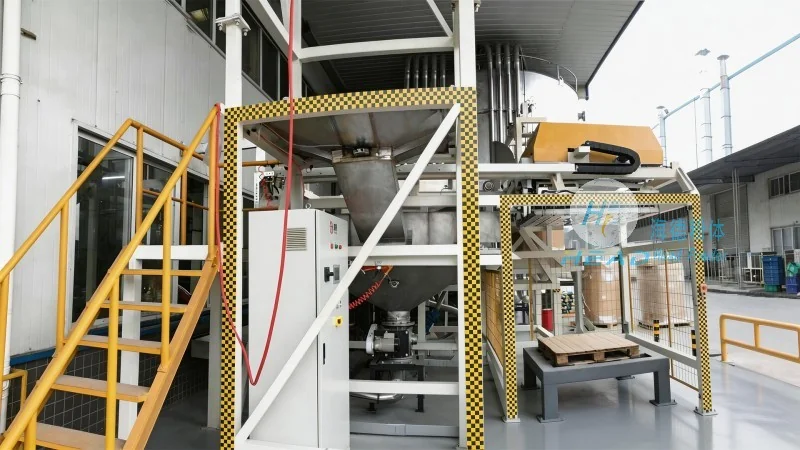
1. Feeding Hopper: The feeding hopper is the initial component that collects and stores the petroleum coke powder. It is designed with a sloped bottom to facilitate the uniform discharge of material into the conveying line. The hopper is often equipped with a level indicator to monitor the material inventory and prevent overfilling.
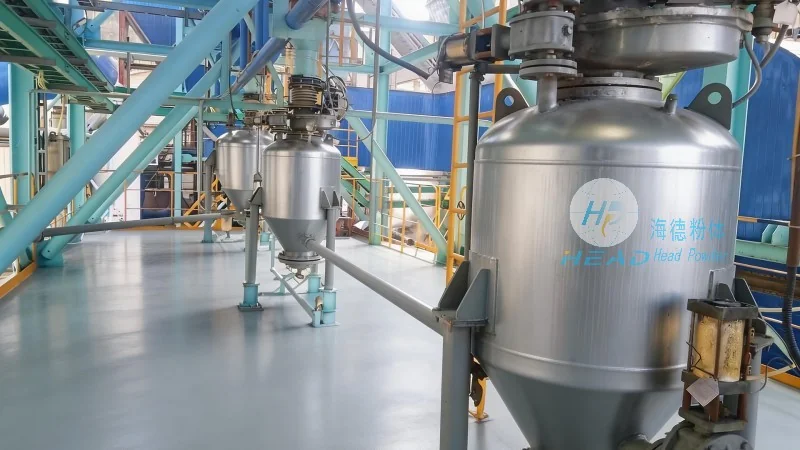
2. Pneumatic Conveying Lines: Pneumatic conveying is a common method for transporting petroleum coke powder due to its ability to handle abrasive materials and maintain a clean system. The system uses compressed air to move the powder through a network of pipes. The conveying lines are typically made of corrosion-resistant materials such as stainless steel or high-density polyethylene to withstand the abrasive nature of the powder.
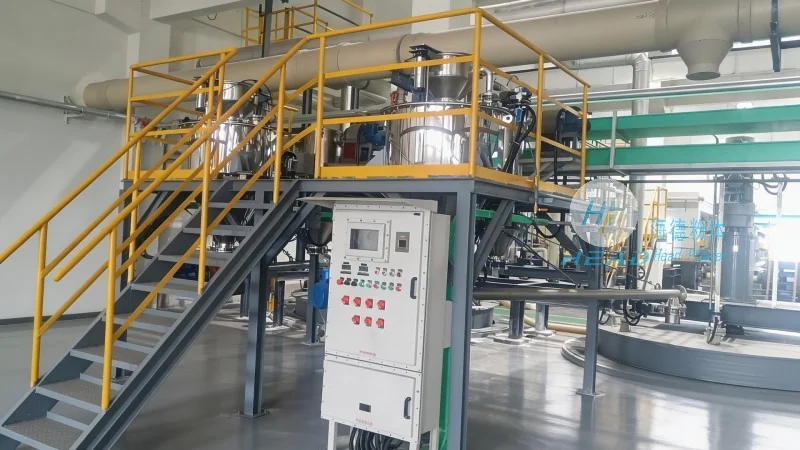
3. Regulators and Controls: To maintain consistent flow rates and pressure, the system includes regulators and control valves. These components ensure that the conveying process operates within optimal parameters, preventing issues such as blockages or excessive pressure buildup.
4. Filters and Dust Collectors: As petroleum coke powder is fine and can generate dust, the system incorporates filters and dust collectors to capture and remove airborne particles. This not only improves air quality but also prevents contamination of the material and equipment.
Operation Process of Petroleum Coke Powder Conveying
The operation process of petroleum coke powder conveying involves several sequential steps that ensure the efficient movement of material from the source to the destination. The process typically begins with the material being fed into the hopper from a storage silo or processing unit. The hopper then discharges the powder into the pneumatic conveying line under the control of a feeder mechanism.
Compressed air is then introduced into the conveying line, creating a flow that propels the petroleum coke powder through the system. The air-powder mixture travels through the pipes, with the powder being suspended and transported to the receiving hopper or processing equipment. The receiving hopper is designed to collect the material and feed it to the next stage of the production process.
During the conveying process, the system continuously monitors parameters such as pressure, flow rate, and material level. Any deviations from the set points are automatically adjusted by the control system to maintain optimal operation. This ensures that the conveying process is efficient, reliable, and safe.
Working Principle of the Conveying System
The working principle of the petroleum coke powder conveying system is based on the principles of fluid dynamics and particle transport. The system utilizes compressed air to create a flow that can effectively transport the fine powder through the conveying lines. The key to successful conveying is maintaining the correct air-to-powder ratio, which ensures that the powder is fully suspended and moves without causing blockages or excessive pressure drops.
The pneumatic conveying system operates by creating a pressure differential between the feeding and receiving ends of the line. The compressed air is introduced at the feeding end, creating a high-pressure zone that propels the powder forward. As the powder travels through the line, the pressure gradually decreases, allowing the air to be separated from the powder at the receiving end. The separated air is then recycled back into the system, while the powder is collected and processed further.
The system's control mechanisms play a critical role in maintaining the proper air-to-powder ratio and pressure levels. Sensors and control valves adjust the air flow and pressure in real-time, ensuring that the conveying process operates within the optimal range. This dynamic control helps to prevent issues such as clogging, which can occur if the powder concentration is too high or the air flow is insufficient.
Benefits of Efficient Petroleum Coke Powder Conveying
Efficient petroleum coke powder conveying offers several benefits to industrial operations. These include:
1. Improved Productivity: A well-designed conveying system reduces downtime and increases production throughput, leading to higher overall productivity.
2. Enhanced Safety: The use of enclosed systems and proper filtration reduces the risk of dust exposure and other safety hazards associated with handling fine powders.
3. Cost Savings: By minimizing material loss and reducing maintenance requirements, efficient conveying systems can lead to significant cost savings over time.
4. Environmental Compliance: Proper filtration and dust control help to meet environmental regulations and maintain a clean working environment.
Conclusion
In conclusion, the operation process and working principle of petroleum coke powder conveying are critical to the efficient and safe handling of this important industrial material. The system's components, operation steps, and control mechanisms work together to ensure reliable transport, while the benefits of efficient conveying contribute to improved productivity, safety, and cost-effectiveness. For industries relying on petroleum coke powder, investing in a well-designed and maintained conveying system is essential for maintaining competitive advantage and operational excellence.




