HeadPowder, a leading manufacturer based in Shandong, China, specializes in the design and production of advanced pneumatic conveying systems for carbon additive powders. This article provides a detailed overview of the operation process and working principle of such equipment, highlighting its efficiency and reliability in material handling applications.
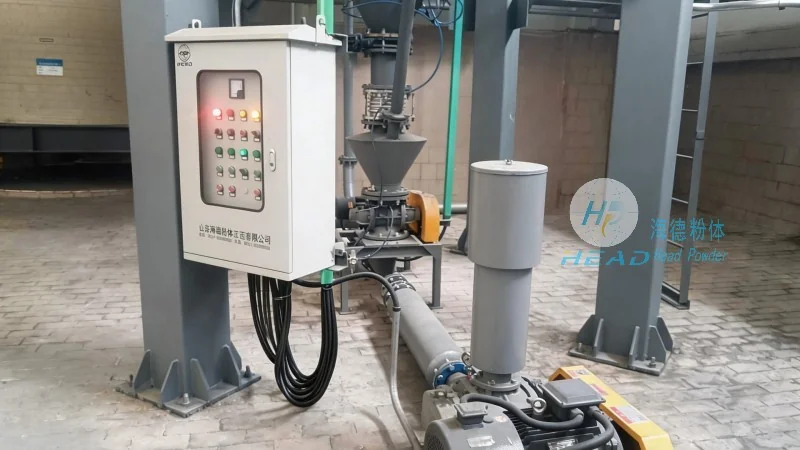
Key Components of Pneumatic Conveying Systems
The pneumatic conveying equipment for carbon additive powders typically consists of several core components that work in tandem to ensure smooth material transport. These include a hopper for material storage, a feeder to control the flow rate, a conveying line (often with bends and straight sections), a dust collector to manage airborne particles, and a discharge outlet for the material. Each component plays a crucial role in maintaining the integrity and efficiency of the conveying process.
Working Principle of Pneumatic Conveying
The operation of the carbon additive powder pneumatic conveying system is based on the principle of using air or gas to transport bulk materials through a pipeline. The process begins with the material being fed from the hopper into the conveying line. A fan or blower generates a flow of air, which creates a negative pressure or positive pressure within the system, depending on the design. This airflow pulls the powder particles along the pipeline, ensuring they are transported from the source to the destination without the need for mechanical components like belts or buckets.
Operation Process: Step-by-Step
The operation process of the pneumatic conveying equipment can be broken down into several key steps:
1. Material Loading: The carbon additive powder is loaded into the hopper. The hopper is designed with a smooth interior to prevent material buildup and ensure consistent flow.
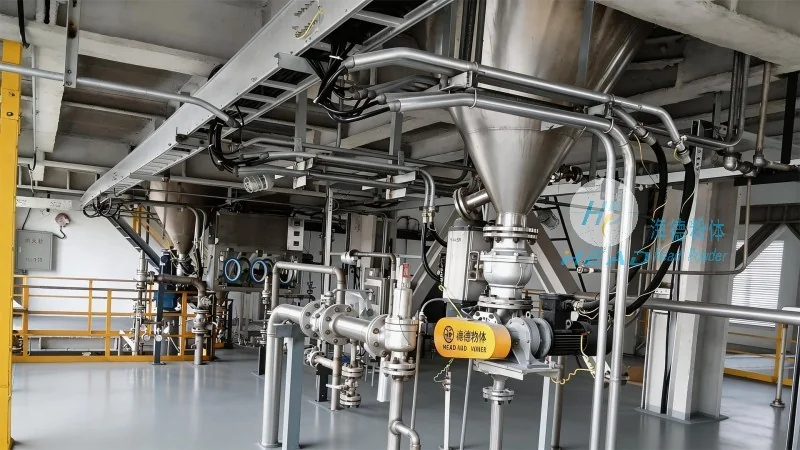
2. Feeding Control: A feeder, such as a rotary valve or screw feeder, regulates the amount of material released into the conveying line. This step is critical to maintain a stable flow rate and prevent overloading or underloading of the system.
3. Airflow Generation: The fan or blower starts operating, creating the necessary airflow. The pressure differential between the inlet and outlet of the conveying line determines the conveying velocity and distance.
4. Material Transport: As the air flows through the pipeline, it carries the powder particles along. The design of the pipeline, including bends and straight sections, is optimized to minimize pressure loss and ensure efficient transport.
5. Dust Collection: A dust collector is integrated into the system to capture any airborne particles that may escape during the conveying process. This helps maintain a clean working environment and prevents material loss.
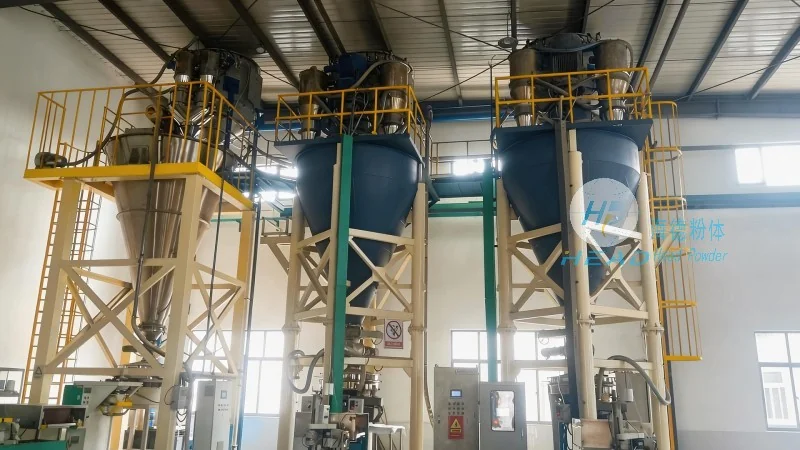
6. Discharge: The material is discharged from the conveying line into the receiving container or storage area. The system is designed to ensure complete discharge without residue.
Advantages of Pneumatic Conveying for Carbon Additives
Pneumatic conveying systems offer several advantages when handling carbon additive powders:
- Non-Contact Transport: The material is transported without direct contact with mechanical parts, reducing wear and tear and preserving the quality of the powder.
- Continuous Operation: The system allows for continuous material flow, increasing production efficiency and reducing downtime.
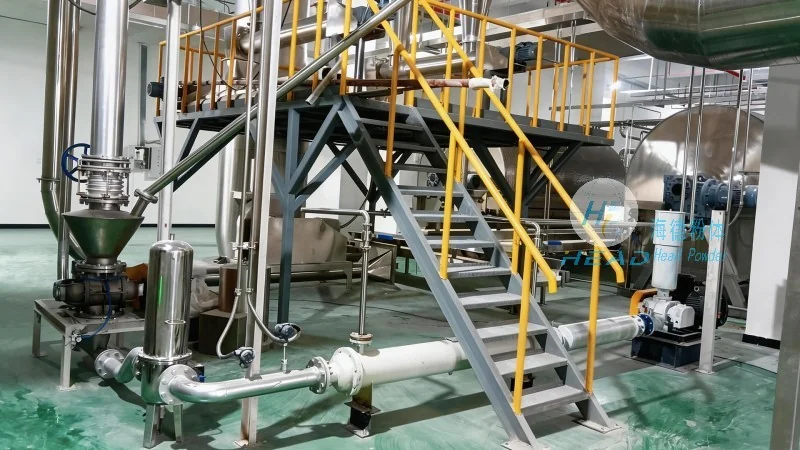
- Flexibility: Pneumatic conveying can be easily adapted to different conveying distances and layouts, making it suitable for various industrial applications.
- Low Maintenance: Compared to traditional mechanical conveying systems, pneumatic systems have fewer moving parts, leading to lower maintenance costs and longer service life.
Applications in Industrial Settings
Carbon additive powder pneumatic conveying equipment is widely used in various industrial sectors, including steel production, foundries, and chemical manufacturing. In steel production, it is used to transport carbon additives to blast furnaces and other processing units. In foundries, it helps in the efficient delivery of carbon powders for casting processes. The system's ability to handle fine powders without clogging or degradation makes it ideal for these applications.
Conclusion
HeadPowder's pneumatic conveying equipment for carbon additive powders is a reliable and efficient solution for material handling in industrial settings. By understanding the operation process and working principle, users can optimize the system for their specific needs, ensuring consistent performance and minimal downtime. With its advanced design and robust construction, this equipment continues to be a preferred choice for industries requiring high-quality, low-maintenance material transport solutions.




