Aluminum foil powder conveying systems are critical components in industrial applications where the efficient and reliable transport of aluminum foil powders is essential. These systems are designed to handle the unique properties of aluminum foil powders, such as their light weight, low bulk density, and potential for static charge accumulation. The operation of these systems involves a series of integrated processes that ensure smooth material flow from the source to the destination.
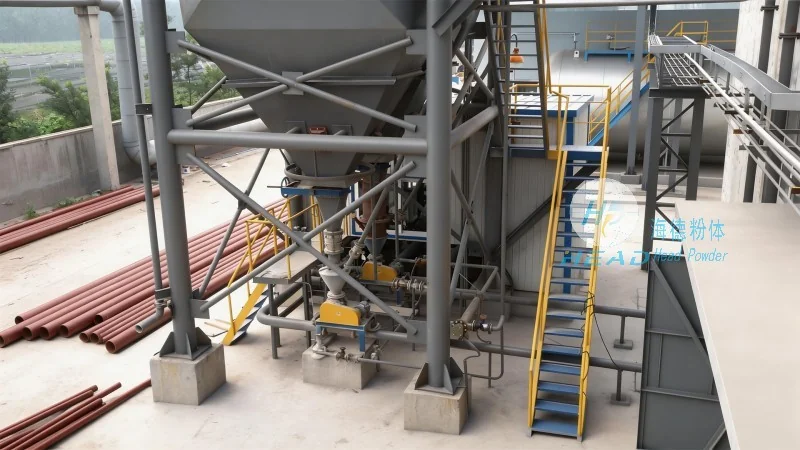
System Overview and Key Components
The aluminum foil powder conveying system typically consists of several key components that work in tandem to achieve effective material transport. These components include a hopper or feeder for material storage and feeding, a conveyor mechanism (such as a screw conveyor, pneumatic conveyor, or belt conveyor), control valves, and a system for managing air pressure or vacuum, depending on the chosen conveying method. Each component plays a vital role in the overall operation, ensuring that the aluminum foil powders are handled gently and without degradation.
Operating Process: Step-by-Step Explanation
The operation of the aluminum foil powder conveying system begins with the loading of aluminum foil powders into the hopper. The feeder then regulates the flow of material into the conveyor system, ensuring a consistent and controlled feed rate. For pneumatic conveying systems, the material is introduced into a pipeline where it is mixed with air under pressure. The air flow propels the aluminum foil powders through the pipeline, transporting them to the desired location. In contrast, mechanical conveying systems use rotating screws or belts to physically move the powders along the conveyor path. The system may also include a filter or separator to remove any contaminants or dust from the air, maintaining the purity of the aluminum foil powders.
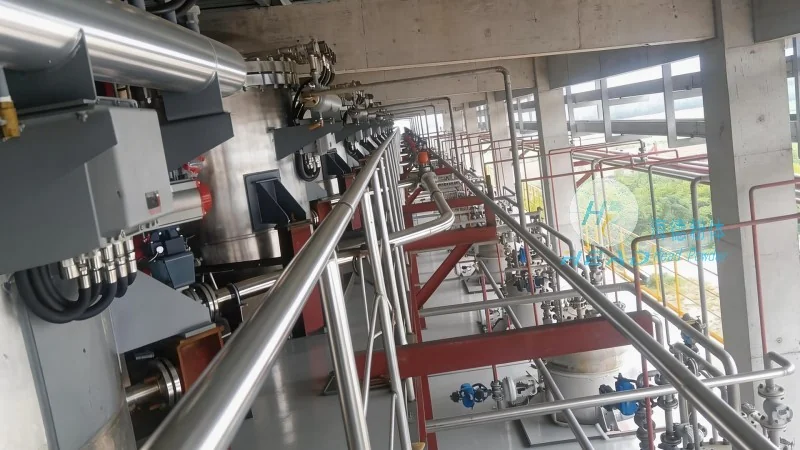
Working Principle: How It Works
The working principle of the aluminum foil powder conveying system is based on the principles of fluid dynamics and mechanical force. In pneumatic conveying, the system relies on the pressure differential created by the air flow to move the powders. The air acts as a carrier, suspending the aluminum foil powders and transporting them through the pipeline. The velocity and pressure of the air are carefully controlled to prevent particle degradation and ensure efficient transport. For mechanical conveying, the system utilizes the rotational motion of screws or belts to exert a pulling force on the powders, moving them along the conveyor path. This method is particularly effective for handling powders with higher bulk densities or those that are more prone to caking.
Control and Monitoring Systems
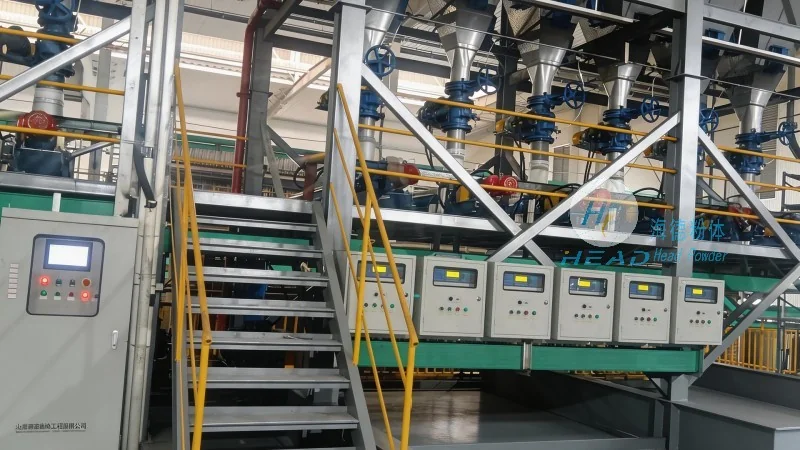
Modern aluminum foil powder conveying systems are equipped with advanced control and monitoring systems to ensure optimal performance and safety. These systems include sensors to monitor the flow rate, pressure, and temperature of the material and air. The control system adjusts the speed of the conveyor or the air pressure as needed to maintain consistent material flow. Additionally, the system may include safety features such as pressure relief valves and emergency stop buttons to prevent accidents and protect personnel. Regular maintenance and calibration of these systems are essential to ensure long-term reliability and efficiency.
Applications and Benefits
Aluminum foil powder conveying systems are widely used in various industries, including pharmaceuticals, food processing, and chemical manufacturing. The benefits of these systems include improved material handling efficiency, reduced labor costs, and enhanced product quality. By ensuring that aluminum foil powders are transported without degradation, these systems help maintain the purity and consistency of the final product. The ability to handle powders with low bulk density and prevent static charge accumulation also contributes to safer and more reliable operations.
Conclusion
In conclusion, the aluminum foil powder conveying system is a sophisticated and essential component in industrial material handling. Its operation involves a combination of mechanical and pneumatic principles, working together to transport aluminum foil powders efficiently and safely. The system's design and control mechanisms are tailored to the unique properties of aluminum foil powders, ensuring that the material is handled with care and precision. As industrial processes continue to evolve, the importance of reliable powder conveying systems will only increase, making them a critical investment for companies seeking to improve their operational efficiency and product quality.




