For industrial facilities dealing with airborne dust and particulate matter, efficient powder material transport within dust collection systems is crucial for maintaining operational efficiency and environmental compliance. This article explores the operation process and working principles of powder material transport systems commonly used in dust collection stations, highlighting key components, operational dynamics, and the importance of reliable transport mechanisms in industrial applications.
Understanding the Core Components of Powder Material Transport Systems
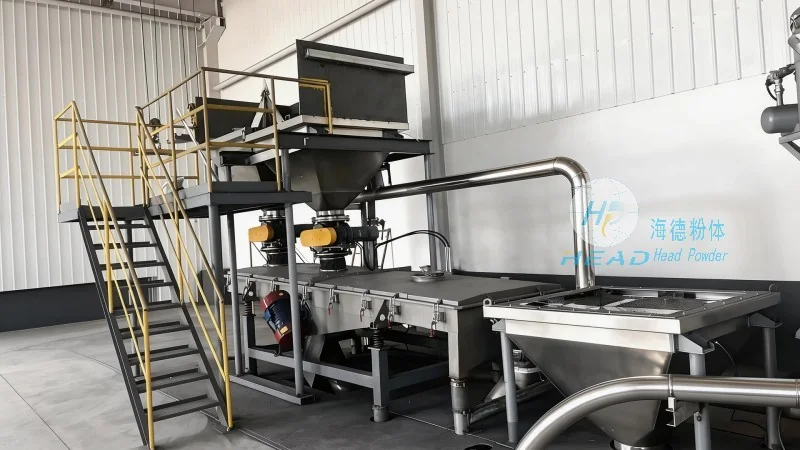
In dust collection stations, powder material transport systems are designed to move collected particulate matter from the filtration or separation stage to storage or disposal units. The primary components typically include dust collection hoppers, transport pipelines, feeding mechanisms, and control systems. These components work in tandem to ensure a continuous and controlled flow of powder, minimizing the risk of clogging, blockages, or material loss. The design of these systems often incorporates features such as airtight seals, variable speed drives, and material flow sensors to adapt to varying production rates and material characteristics.
Operation Process of Powder Material Transport in Dust Collection Stations
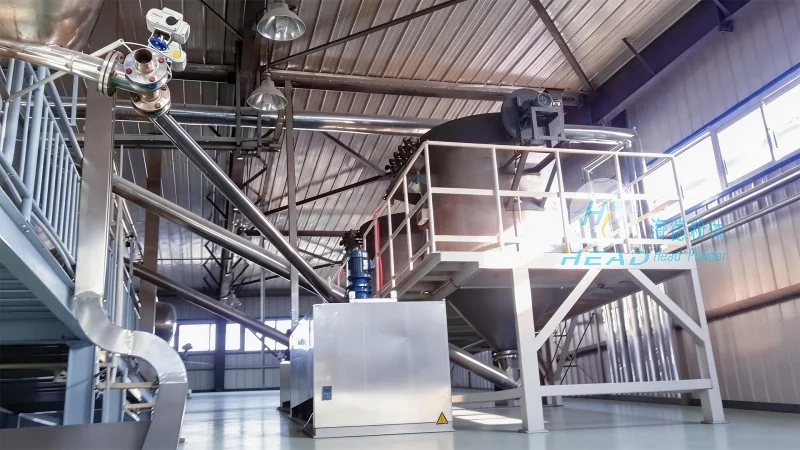
The operation process of powder material transport in dust collection stations generally follows a sequential workflow. Initially, collected dust is deposited in the dust collection hopper. From there, a feeding mechanism, such as a rotary valve or screw conveyor, transfers the powder into the transport pipeline. The pipeline then conveys the material to the designated storage or processing area. During this process, the system may incorporate pneumatic or mechanical transport methods, depending on the material's properties and the facility's requirements. For example, pneumatic conveying systems use compressed air to move powder through pipelines, while mechanical systems rely on screw or belt conveyors. The control system monitors flow rates, pressure differentials, and other parameters to maintain optimal transport conditions, ensuring that the process runs smoothly without interruptions.
Working Principles Behind Powder Material Transport Mechanisms
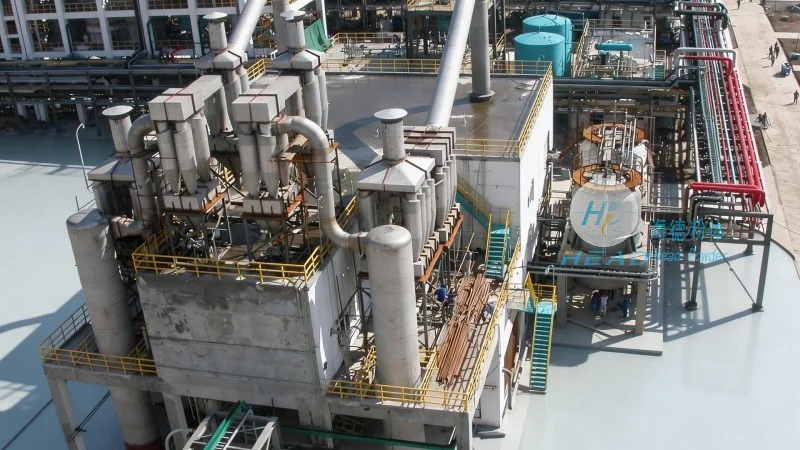
The working principles of powder material transport systems are based on fundamental physics and engineering principles. For pneumatic conveying, the system relies on the Bernoulli principle, where compressed air creates a pressure differential that propels the powder particles through the pipeline. The velocity of the air and the size of the particles determine the efficiency of the transport. In mechanical conveying, the principles of friction and gravity are utilized. Screw conveyors, for instance, use rotating screws to push material forward, while belt conveyors rely on the friction between the belt and the material to move it along the path. The design of these mechanisms must account for factors like particle size distribution, moisture content, and bulk density to prevent material degradation or system damage.
Key Considerations for Efficient Powder Material Transport
Efficient operation of powder material transport systems in dust collection stations requires careful consideration of several factors. Material characteristics, such as particle size, shape, and moisture content, significantly impact the choice of transport method and system design. For instance, fine powders may require pneumatic conveying to avoid clogging, while larger or bulkier materials might be better suited for mechanical conveyors. The system's capacity and the required flow rate are also critical, as they determine the size of the pipelines, the power of the feeding mechanisms, and the overall throughput. Additionally, maintenance and cleaning protocols are essential to prevent material buildup and ensure long-term system reliability. Regular inspections and cleaning of the hopper, pipelines, and feeding mechanisms help maintain optimal performance and extend the system's lifespan.
Role of HeadPowder in Providing Advanced Powder Transport Solutions
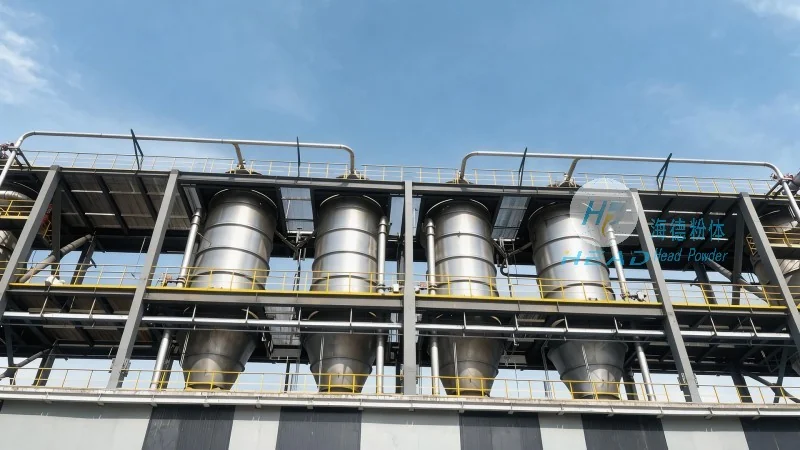
Shandong HeadPowder Engineering Co., Ltd., a leading provider of industrial engineering solutions, specializes in designing and manufacturing efficient powder material transport systems for dust collection stations. With a focus on innovation and customer-centric solutions, HeadPowder offers tailored systems that meet the specific needs of various industrial applications. The company's expertise lies in integrating advanced technologies, such as variable speed drives, material flow sensors, and airtight sealing systems, to enhance the performance and reliability of powder transport processes. By leveraging years of experience in the industry, HeadPowder ensures that its systems are robust, efficient, and compliant with environmental regulations. The company's commitment to quality and customer satisfaction has made it a trusted partner for facilities seeking reliable and effective powder transport solutions in dust collection stations.




