HeadPowder, a leading provider of advanced powder handling solutions, specializes in the design, manufacturing, and integration of plug flow powder conveying systems. These systems are engineered to meet the demanding requirements of various industrial sectors, including pharmaceuticals, food processing, chemical manufacturing, and mining. The company, based in Shandong, China, leverages years of expertise to deliver high-performance, reliable, and cost-effective solutions that maintain product integrity and ensure efficient material transfer. Understanding the operation process and working principles of plug flow powder conveying systems is essential for optimizing performance, reducing operational costs, and ensuring compliance with industry standards.
Key Components of Plug Flow Powder Conveying Systems
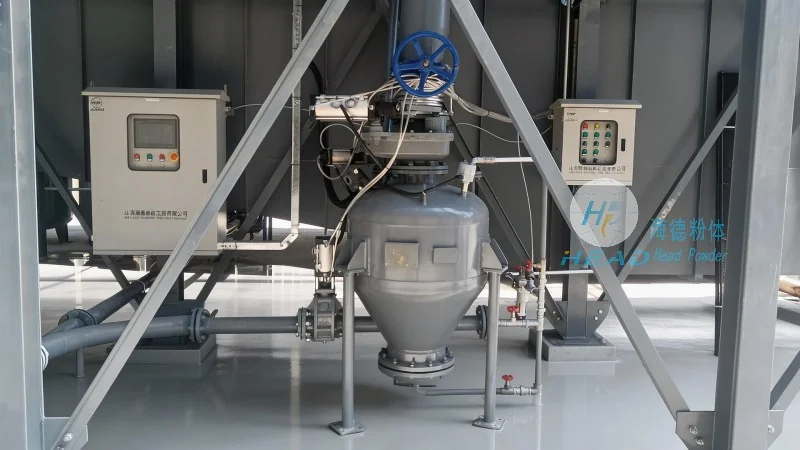
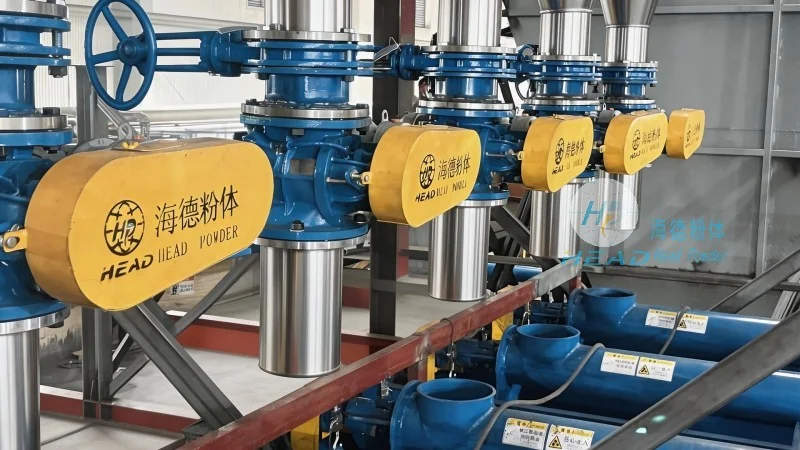
The plug flow system typically consists of several critical components that work in concert to achieve efficient material transport. These components include a hopper or feeder for material storage and controlled discharge, a conveying pipeline (often made of stainless steel or other corrosion-resistant materials), a pump or compressor to generate the necessary pressure, and a control system to regulate the flow and pressure. The hopper is designed to minimize material segregation and ensure a uniform feed rate, which is essential for maintaining the plug formation. The pipeline is usually inclined at a slight angle to facilitate the movement of the plug under gravity assistance, while the pump or compressor provides the primary driving force. The control system monitors parameters such as pressure, flow rate, and material level, allowing for real-time adjustments to maintain optimal plug formation and prevent system failures.
Operation Process of Plug Flow Powder Conveying Systems
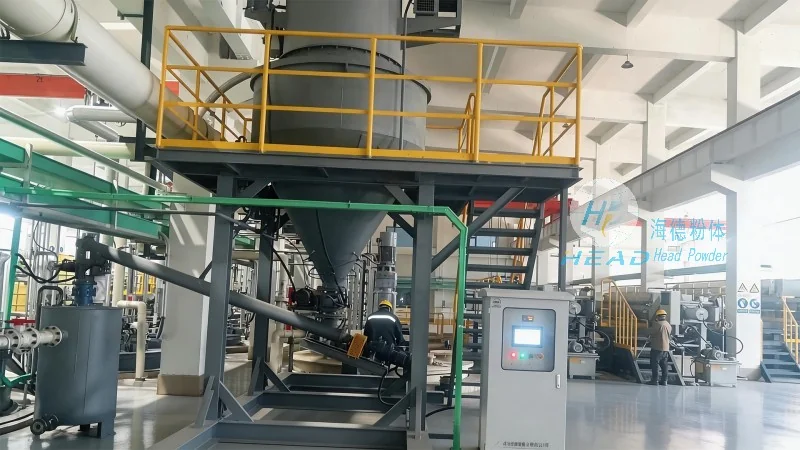
The operation process of a plug flow powder conveying system involves several sequential steps that ensure the smooth and continuous movement of the material. Initially, the bulk material is fed into the hopper from a storage silo or batch container. The feeder, often a rotary valve or a screw feeder, regulates the discharge rate, ensuring a consistent flow of material into the pipeline. As the material enters the pipeline, it forms a dense, solid plug due to the high pressure and controlled flow conditions. The plug moves through the pipeline under the influence of the driving force from the pump or compressor, with the pipeline's slight inclination aiding in the downward movement. The plug maintains its integrity as it travels, minimizing the risk of material degradation, attrition, or segregation. At the receiving end, the plug is typically broken down by a pressure relief valve or a controlled discharge mechanism, allowing the material to be deposited into a receiving hopper or storage tank. The entire process is automated and monitored by the control system, which adjusts the feed rate and pressure as needed to maintain the plug's stability and prevent blockages or overflows.
Working Principle of Plug Flow Powder Conveying Systems
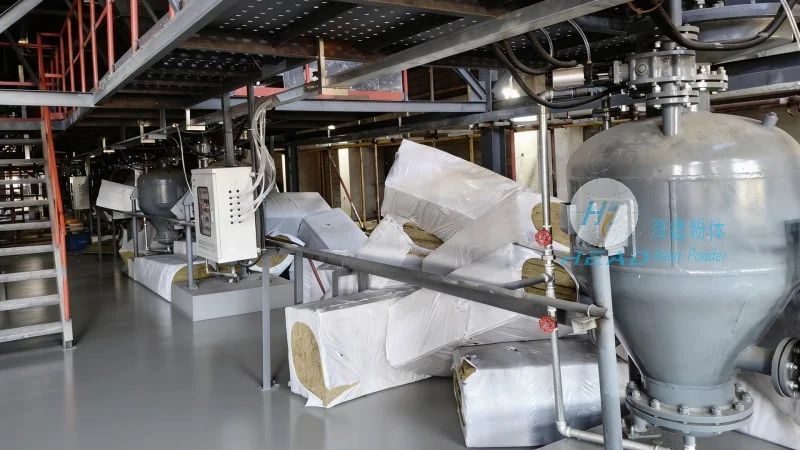
The working principle of plug flow powder conveying systems is based on the concept of creating a stable, non-Newtonian flow of material through the pipeline. Unlike pneumatic or mechanical conveying systems that rely on individual particles moving independently, plug flow systems maintain the material in a cohesive mass, which behaves like a fluid under pressure. The key to this principle is the balance between the driving force (pressure or air flow) and the resistance to flow from the material's internal friction and the pipeline's friction. The system operates by generating a pressure gradient along the pipeline, with the highest pressure at the feed end and the lowest at the discharge end. This pressure gradient propels the plug forward, while the pipeline's design (e.g., diameter, inclination, and length) is optimized to minimize energy loss and maintain the plug's integrity. The control system plays a critical role in maintaining this balance by adjusting the pressure and flow rate in real time. For example, if the feed rate increases, the control system may increase the pump's output to maintain the pressure gradient, ensuring the plug continues to move without breaking apart. Conversely, if the pressure drops, the system may reduce the feed rate to prevent the plug from becoming too long and potentially causing blockages.




