HeadPowder, a leading provider of powder handling solutions, specializes in the design and implementation of efficient brown sugar powder conveying systems. These systems are engineered to ensure reliable and safe transportation of brown sugar powder, a critical component in various food processing applications. The following content outlines the operational process and underlying principles of such systems, highlighting the key elements that contribute to their effectiveness.
System Overview and Core Components
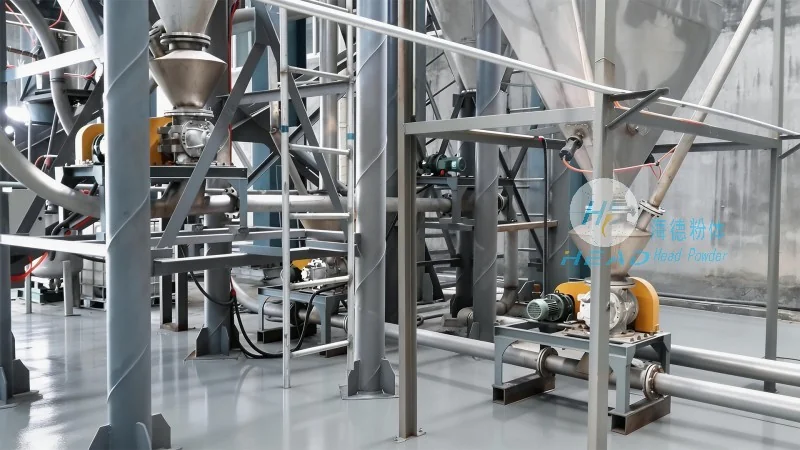
The brown sugar powder conveying system typically consists of several integrated components, each playing a vital role in the overall operation. Key elements include a hopper for material storage, a feeding mechanism to control the flow of powder, a conveying device (such as a screw conveyor or pneumatic system) to transport the material, and a control unit to regulate the entire process. The system is designed to handle the unique characteristics of brown sugar powder, which may include moisture content, particle size distribution, and flowability, ensuring optimal performance under different operational conditions.
Operational Process: Step-by-Step Execution
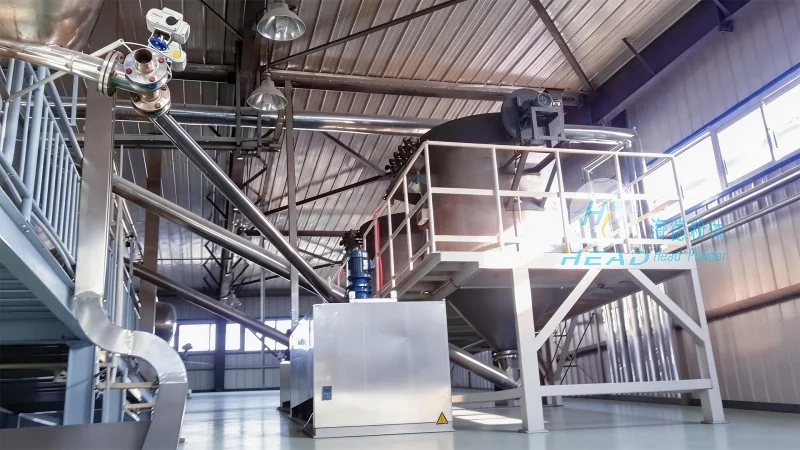
The operation of the brown sugar powder conveying system follows a systematic sequence to ensure smooth and continuous material transport. The process begins with the loading of brown sugar powder into the hopper. The feeding mechanism then regulates the flow of powder from the hopper into the conveying device. Depending on the system design, the conveying device may use mechanical force (e.g., screw rotation) or pneumatic pressure to move the powder through the pipeline to the discharge point. The control unit monitors parameters such as flow rate, pressure, and temperature, adjusting the operation in real-time to maintain consistent performance. This step-by-step approach ensures that the system operates efficiently, minimizing downtime and maximizing throughput.
Working Principle: Mechanical and Pneumatic Dynamics
The working principle of the brown sugar powder conveying system combines mechanical and pneumatic dynamics to achieve effective material transport. In mechanical conveying systems, a screw or auger rotates within a tube, pushing the powder forward through positive displacement. This method is particularly effective for materials with good flowability and moderate moisture content. Pneumatic conveying systems, on the other hand, use compressed air to create a pressure differential that propels the powder through a pipeline. This approach is suitable for handling fine powders and materials that are prone to caking or agglomeration. The choice of mechanical or pneumatic system depends on factors such as the material's properties, the required conveying distance, and the desired level of control over the process. Both systems are designed to maintain the integrity of the brown sugar powder, preventing degradation or contamination during transport.
Key Advantages and Application Considerations
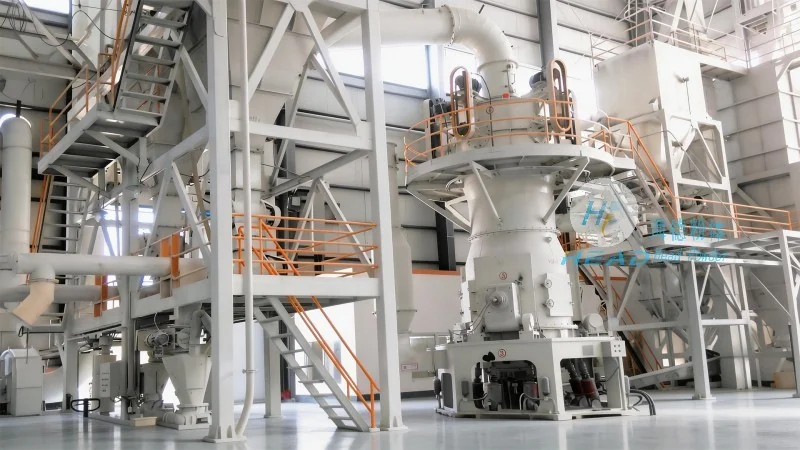
The brown sugar powder conveying system offers several advantages that make it a preferred choice for food processing industries. These include high efficiency in material transport, minimal product loss, and the ability to maintain product quality by preventing exposure to air or moisture. The system is also designed for easy maintenance and cleaning, which is crucial in food processing environments where hygiene standards are stringent. When selecting a conveying system for brown sugar powder, factors such as the scale of operation, the required conveying capacity, and the specific characteristics of the powder (e.g., particle size, moisture content) should be considered. HeadPowder's expertise in powder handling ensures that the system is tailored to meet the unique needs of each client, providing reliable and efficient solutions for their brown sugar processing requirements.




