Shandong HeadPowder Engineering Co., Ltd., headquartered in Shandong, China, is a leading manufacturer specializing in advanced powder handling solutions. Our primary focus is on developing and delivering automatic quantitative powder feed systems designed to provide precise and reliable bulk material transport for diverse industrial sectors. This article explores the operational workflow and technical principles behind these systems, detailing the key components and mechanisms that ensure efficient performance.
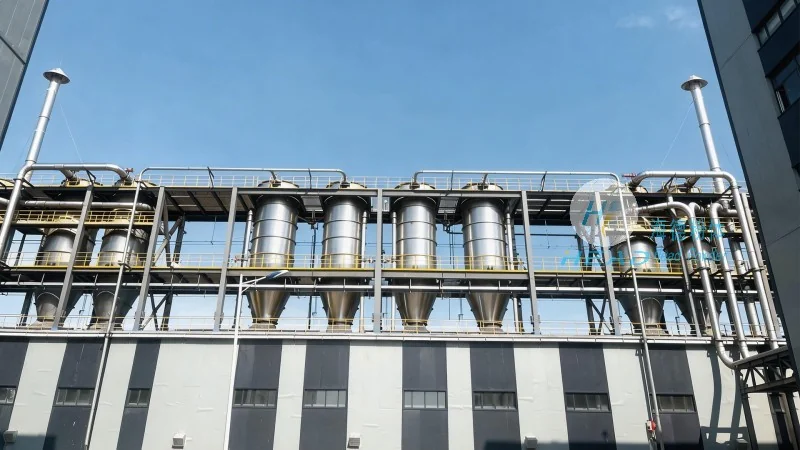
System Overview and Core Purpose
The automatic quantitative powder feed system is engineered to handle and transport bulk powders with high accuracy, making it indispensable in industries such as pharmaceuticals, food processing, and chemical manufacturing. These systems are designed to replace manual or semi-automated powder handling methods, offering enhanced precision, consistency, and safety. The core objective is to ensure that the correct amount of powder is delivered to the processing or packaging equipment, minimizing material waste and maintaining product quality.
Key System Components and Their Roles
The automatic quantitative powder feed system comprises several critical components, each contributing to the overall functionality. The primary components include:
1. Hoppers: These are storage vessels that hold the bulk powder. They are constructed from appropriate materials (e.g., stainless steel) to prevent material contamination and degradation. The hoppers are equipped with level sensors to monitor the material level and trigger feeding actions when the powder reaches a certain threshold.
2. Feeders: The feeder is the central control unit responsible for regulating the flow rate of the powder. It can be either volumetric (e.g., rotary valves, screw feeders) or gravimetric (e.g., load cell-based systems). Volumetric feeders control flow by adjusting the speed of rotating parts, while gravimetric feeders measure weight to achieve precise dosing. The choice of feeder depends on the material's properties and the required accuracy of the application.
3. Conveyors: After the powder is fed, it is transported to the target location (e.g., a mixer, packaging machine, or storage tank) via conveyors. These can be pneumatic systems or mechanical conveyors, selected based on the material's characteristics and the distance to be covered. The conveyors ensure smooth and continuous movement, minimizing material loss and degradation.
4. Control Units: The control unit, typically a programmable logic controller (PLC), manages all operations. It receives input from sensors (e.g., level, flow, weight) and sends commands to the feeder and conveyor. The system often integrates a human-machine interface (HMI) for easy monitoring and adjustment of parameters, enhancing user interaction and system control.
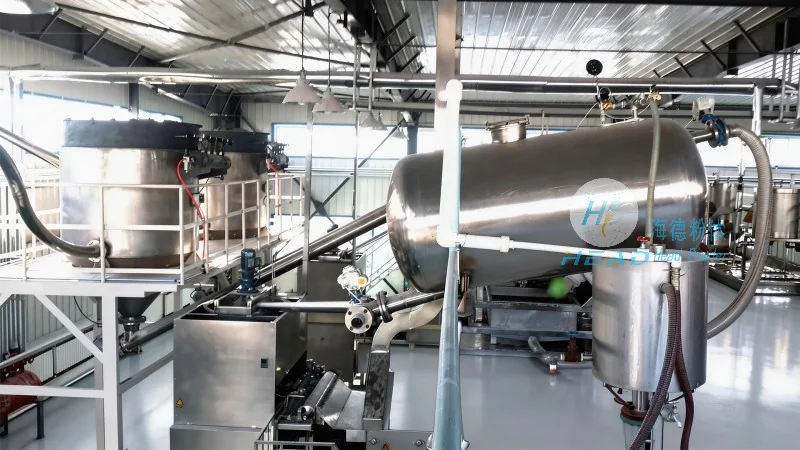
Step-by-Step Operation Process
The operation of the automatic quantitative powder feed system follows a systematic workflow to ensure consistent and accurate material transport. The process typically involves the following sequential steps:
1. Material Loading: The bulk powder is loaded into the hopper. The level sensor detects the material level and signals the control unit when the hopper is full or requires refilling, ensuring continuous operation.
2. Feeding Initiation: Upon receiving a signal from the control unit, the feeder starts operating. The volumetric or gravimetric feeder adjusts its speed to achieve the desired flow rate, ensuring the correct amount of powder is dispensed. The control unit sets the target flow rate based on the required dosage.
3. Transportation: The powder is conveyed from the hopper to the processing area. The conveyor system ensures smooth and continuous movement, minimizing material loss and degradation. The system may include features like air knives or vibrators to prevent clogging for cohesive powders.
4. Monitoring and Adjustment: The control unit continuously monitors the material level, flow rate, and weight (if using a gravimetric feeder). Any deviations from the setpoint are detected and corrected in real-time, maintaining the accuracy of the feeding process. The feedback loop ensures precision and consistency.
5. Completion and Reset: Once the required amount of powder has been transported, the feeder and conveyor stop. The control unit resets the system, preparing it for the next feeding cycle. The system may also perform self-checks to ensure all components are functioning correctly before resuming operation.
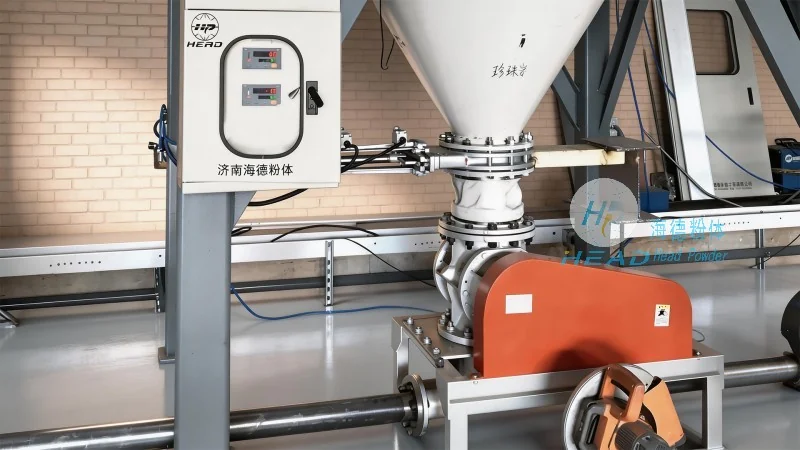
Working Principle: Ensuring Precision Through Control
The working principle of the automatic quantitative powder feed system is centered on precise control of material flow and continuous monitoring of key parameters. The system operates on the following fundamental principles:
1. Precise Flow Regulation: The feeder adjusts its output rate to maintain a constant flow of powder. For volumetric feeders, this is achieved by controlling the speed of rotating parts (e.g., screws or blades). For gravimetric feeders, the system uses load cells to measure the weight of the material and adjusts the feeder speed to achieve the target weight. This ensures that the actual flow matches the setpoint with minimal variation.
2. Feedback Loop Mechanism: The control unit continuously receives feedback from sensors (e.g., level sensors, flow meters, load cells). This feedback is used to adjust the feeder speed or other parameters in real-time, minimizing errors and maintaining the accuracy of the feeding process. The feedback loop is critical for achieving consistent results, especially in applications requiring high precision.
3. Material Handling Adaptability: The system is designed to handle various powder properties, including particle size, density, and flowability. The hopper and feeder are configured to prevent clogging and ensure smooth material flow. For sticky or cohesive powders, special designs such as vibrators or air knives may be incorporated to improve flow characteristics, ensuring reliable operation.
4. Integration with Downstream Systems: The automatic quantitative powder feed system can be integrated with downstream processing equipment (e.g., mixers, reactors, packaging lines). The control unit synchronizes the feeding process with the processing requirements, ensuring that the correct amount of powder is delivered at the right time. This integration enhances overall system efficiency and reduces downtime, improving production throughput.
Benefits and Practical Applications
The automatic quantitative powder feed system offers several advantages, making it a valuable asset in various industrial applications. Key benefits include:
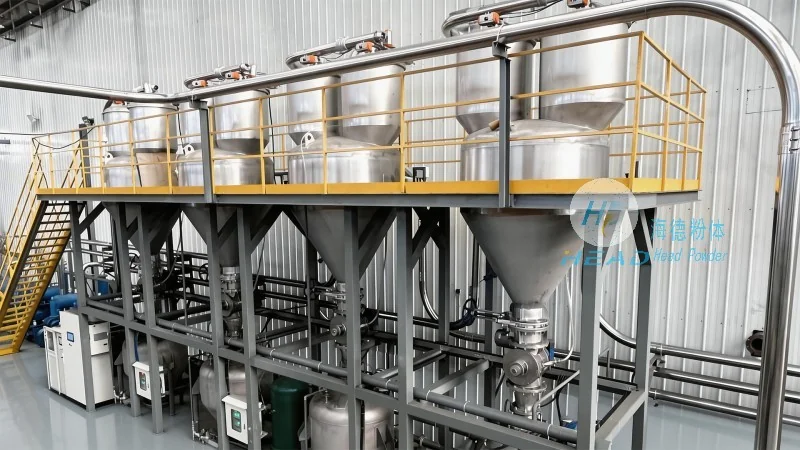
1. High Precision and Consistency: The system provides precise dosing, with minimal variation in the amount of powder fed. This is crucial for applications where consistency is essential, such as pharmaceutical manufacturing or food processing, where product quality and safety are paramount.
2. Efficient Material Handling: The system minimizes material waste and reduces the risk of clogging or degradation. The continuous flow and controlled feeding ensure that the powder is handled gently, preserving its quality and preventing contamination.
3. Automation and Labor Savings: The automated operation reduces the need for manual intervention, improving safety and reducing labor costs. The system is designed for long-term reliability, with minimal maintenance requirements, ensuring consistent performance over extended periods.
4. Flexibility and Scalability: The system can be configured to handle different types of powders and accommodate varying production rates. It can be scaled up or down to meet the changing needs of the production process, making it adaptable to evolving industrial requirements.
Applications of the automatic quantitative powder feed system span multiple industries. In pharmaceuticals, it is used for the precise dosing of active ingredients and excipients, ensuring compliance with regulatory standards. In food processing, it handles ingredients like flour, sugar, and spices, maintaining product consistency and quality. In chemical manufacturing, it transports raw materials and intermediates, supporting efficient production workflows. The system's versatility makes it an essential component in modern industrial operations, where bulk powder handling is critical.
Conclusion
Shandong HeadPowder Engineering Co., Ltd. provides advanced automatic quantitative powder feed systems that deliver precise, reliable, and efficient bulk material transport. By understanding the operation process and working principle of these systems, users can optimize their production processes and achieve consistent results. The integration of modern control technologies and robust design ensures that the systems meet the highest standards of performance and safety, making them a vital asset in contemporary industrial operations. The company's commitment to innovation and quality ensures that its products remain at the forefront of powder handling technology, supporting the needs of industries worldwide.




