Aluminum dross powder conveying systems are critical components in industrial processes that handle the transportation of aluminum dross, a byproduct of aluminum smelting and processing. These systems ensure efficient and safe movement of the fine powder, which is essential for downstream applications such as recycling and material recovery. The operation of these systems involves a series of steps and mechanisms designed to maintain material integrity and system reliability.
Key Components of the Conveying System
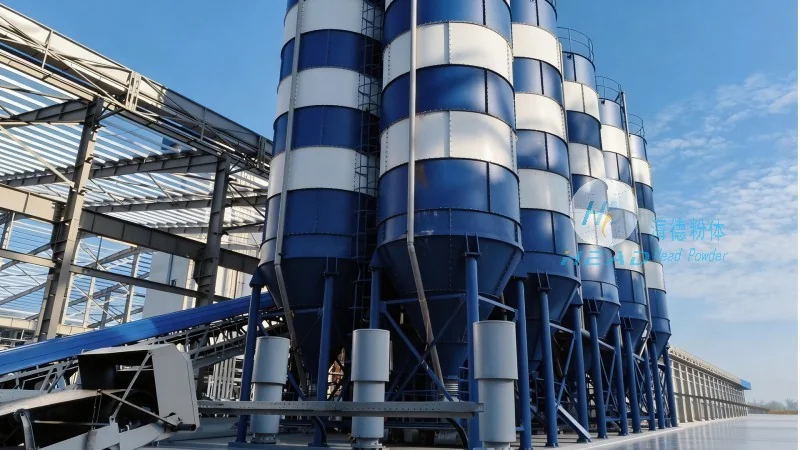
The aluminum dross powder conveying system typically consists of several key components that work in tandem to achieve effective material transport. These include a hopper or feed bin for storing the aluminum dross, a conveyor mechanism (such as a screw conveyor, pneumatic conveyor, or mechanical conveyor), and control systems for regulating the flow and speed of the material. Each component plays a vital role in ensuring the smooth operation of the entire system.
Operation Process of the Aluminum Dross Powder Conveying System
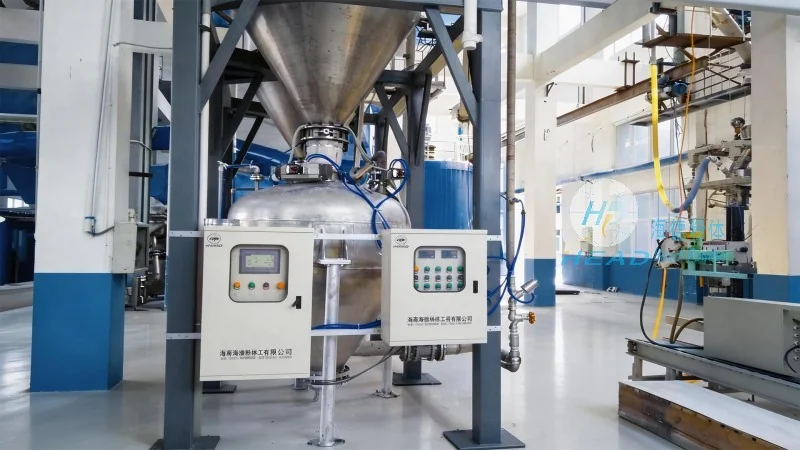
The operation process of the aluminum dross powder conveying system begins with the loading of aluminum dross into the hopper. The material is then fed into the conveyor mechanism, which transports it to the desired destination, such as a storage silo or processing unit. The system may incorporate features like vibration or agitation to prevent material bridging or clogging, which are common issues in handling fine powders. The control system monitors the flow rate and adjusts the conveyor speed as needed to maintain consistent performance.
Working Principle of the Conveying Mechanism
The working principle of the aluminum dross powder conveying system depends on the type of conveyor used. For example, a screw conveyor operates by rotating a screw within a tube, pushing the material forward through the system. Pneumatic conveyors use air pressure to transport the powder through a pipeline, while mechanical conveyors rely on belts or chains to move the material. Each mechanism is designed to handle the specific characteristics of aluminum dross, such as its fine particle size and potential for static electricity, ensuring efficient and safe transport.
Advantages of the Aluminum Dross Powder Conveying System
Implementing an aluminum dross powder conveying system offers several advantages for industrial operations. These include improved material handling efficiency, reduced labor costs, and enhanced safety by minimizing manual handling of the fine powder. The system also helps maintain the quality of the aluminum dross by preventing contamination and loss during transport. Additionally, the modular design of these systems allows for easy integration with existing production lines, making them a versatile solution for various industrial applications.
Maintenance and Troubleshooting Tips
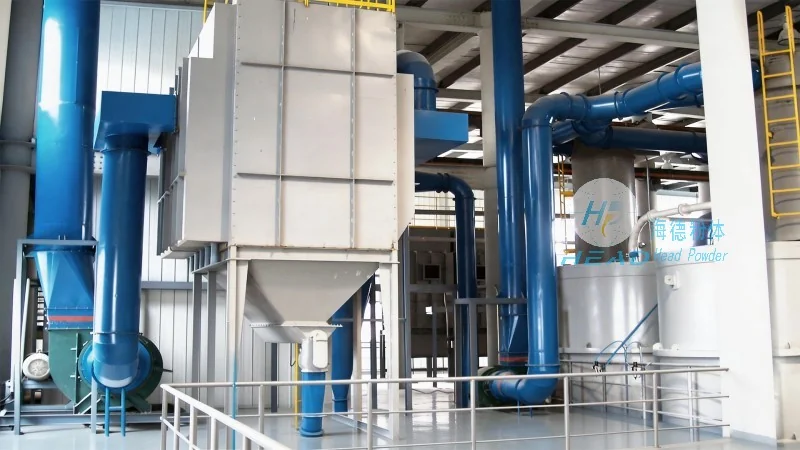
To ensure the long-term performance of the aluminum dross powder conveying system, regular maintenance is essential. This includes cleaning the hopper and conveyor components to prevent material buildup, checking for wear and tear on moving parts, and inspecting the control system for any malfunctions. Common issues that may arise include clogging, which can be addressed by adjusting the feed rate or using vibration devices to break up clumps. Regular maintenance helps minimize downtime and extends the lifespan of the system.
Conclusion
Aluminum dross powder conveying systems are indispensable in the aluminum industry, providing efficient and reliable transportation of aluminum dross for recycling and processing. By understanding the operation process and working principles of these systems, industrial operators can optimize their material handling processes and improve overall productivity. With proper maintenance and operation, these systems contribute significantly to the sustainability and efficiency of aluminum production.




