HeadPowder, a leading manufacturer based in Shandong, China, specializes in the design and production of advanced pneumatic conveying systems tailored for the handling of battery positive electrode materials. These systems are engineered to meet the stringent requirements of modern battery manufacturing, ensuring efficient, safe, and reliable material transport. The equipment plays a crucial role in the production line by facilitating the seamless transfer of raw materials or intermediate products, thereby enhancing overall operational efficiency.
Key Components and Their Functions
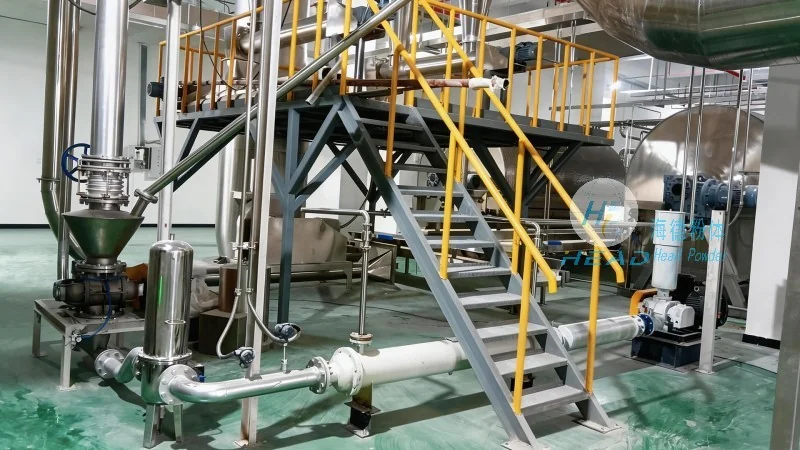
The pneumatic conveying equipment for battery positive electrode material typically consists of several core components, each serving a specific function to ensure optimal performance. The main components include the material hopper, which serves as the storage and feeding unit; the air compressor or blower, responsible for generating the necessary air pressure to move the material; the conveying line, which can be either a rigid or flexible pipe system; and the control system, which regulates the flow of material and air. Additionally, the system may incorporate features such as dust collection and filtration to maintain air quality and comply with environmental standards.
Working Principle of the Pneumatic Conveying Process
The operation of the pneumatic conveying system begins with the material being fed from the hopper into the conveying line. The air compressor then generates a high-pressure airflow that travels through the pipe, creating a negative pressure zone that draws the material particles into the air stream. As the material is entrained by the air, it is transported through the conveying line to the destination point, such as a mixer, dryer, or storage silo. The system may employ different conveying modes, including dilute phase and dense phase, depending on the material characteristics and the required transport distance. Dilute phase conveying is suitable for lighter materials and shorter distances, while dense phase conveying is used for heavier or more abrasive materials and longer distances, offering better control over the material flow rate and minimizing particle degradation.
Operation Process: Step-by-Step Overview
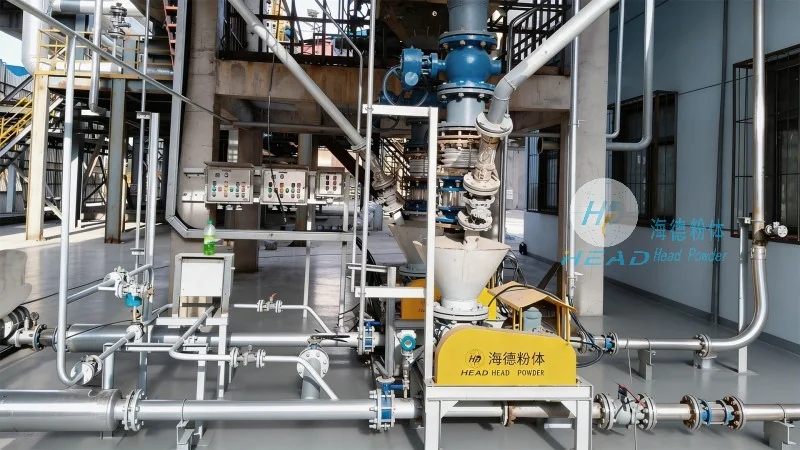
The operational process of the pneumatic conveying equipment for battery positive electrode material involves several key steps. First, the material is loaded into the hopper, and the system is started by activating the air compressor. The control system then adjusts the air pressure and flow rate to match the material's properties and the desired transport conditions. As the material is fed into the conveying line, it is carried by the air stream to the receiving vessel. The process continues until the hopper is emptied or the system is stopped. The system also includes safety features, such as pressure relief valves and emergency stop buttons, to prevent over-pressurization and ensure operator safety. Regular maintenance, including cleaning of the hopper and conveying line, is essential to maintain the system's efficiency and prevent material buildup or blockages.
Advantages of Using Pneumatic Conveying Equipment
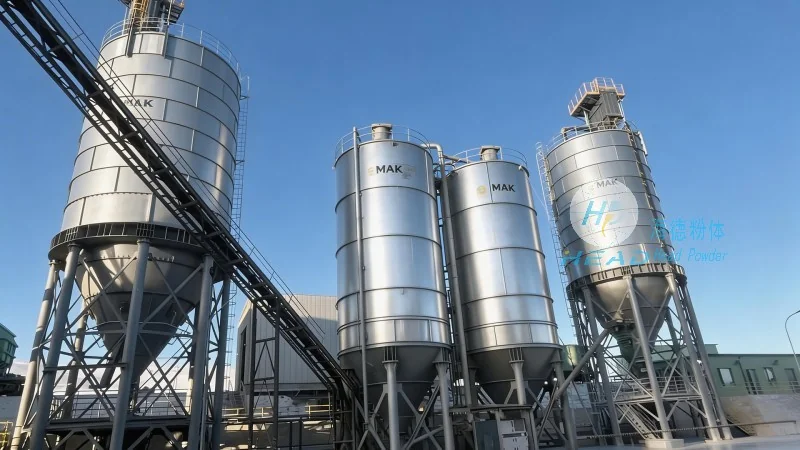
Implementing pneumatic conveying systems for battery positive electrode material offers several advantages over traditional mechanical conveying methods. One of the primary benefits is the ability to handle a wide range of material types, including powders, granules, and fine particles, without the need for additional equipment like conveyors or elevators. The system also provides a closed-loop operation, which helps to minimize dust emissions and maintain a clean working environment, reducing the risk of contamination in the battery production process. Additionally, pneumatic conveying allows for precise control over the material flow rate, ensuring consistent quality and preventing overloading or underloading of downstream equipment. The equipment is also space-efficient, as it can be installed in a compact footprint, making it suitable for facilities with limited space. Furthermore, the system's ability to transport materials over long distances without the need for intermediate transfer points reduces the risk of material degradation and improves overall production efficiency.
Applications in Battery Manufacturing
Pneumatic conveying equipment is widely used in various stages of battery manufacturing, particularly in the handling of positive electrode materials. In the initial stages, the equipment is used to transport raw materials, such as lithium carbonate or lithium hydroxide, from storage silos to the mixing and coating lines. During the mixing process, the equipment may be used to add additional components, such as conductive agents or binders, to the electrode slurry. After coating, the dried electrode sheets are transported to the assembly line using the same pneumatic conveying system. The equipment also plays a role in the recycling process, where spent battery materials are collected and conveyed to the reprocessing facility for material recovery. The consistent and reliable performance of the pneumatic conveying system ensures that the battery production process runs smoothly, meeting the high standards required for modern battery technology.




