HeadPowder, a leading enterprise in the field of powder processing technology, specializes in the design, manufacturing, and integration of advanced pneumatic conveying systems tailored for lithium-ion battery cathode material handling. This article provides a detailed overview of the operation process and working principles of a typical powder pneumatic conveying line used in the production of lithium-ion battery cathode materials, highlighting the key components, operational procedures, and technical considerations that ensure efficient and reliable material transport.
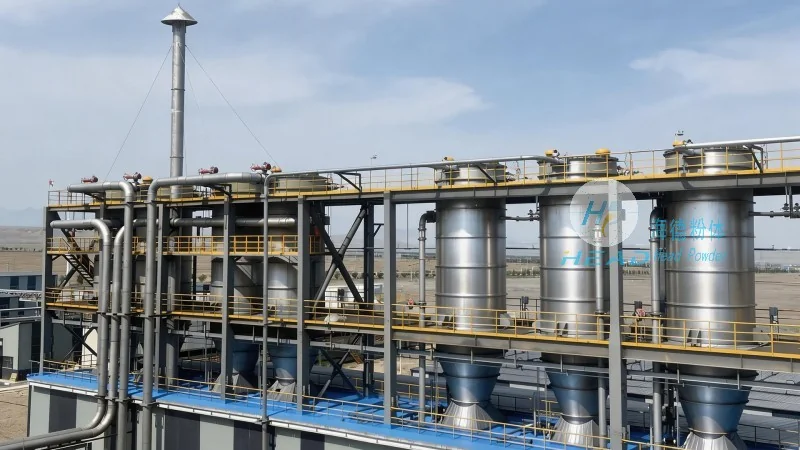
Overview of the Powder Pneumatic Conveying Line
The powder pneumatic conveying line for lithium-ion battery cathode materials is a sophisticated system engineered to handle fine powders such as lithium cobalt oxide (LCO), lithium nickel manganese cobalt oxide (NMC), and other cathode active materials. These materials are critical components in lithium-ion batteries, and their handling requires precision to maintain product quality and prevent contamination. The system is designed to transport these powders from storage silos or processing units to the next stage of production, such as mixing, coating, or packaging, with minimal loss and maximum efficiency.
Key Components of the Pneumatic Conveying System
The pneumatic conveying line consists of several essential components that work in tandem to achieve the desired material transport. These include:
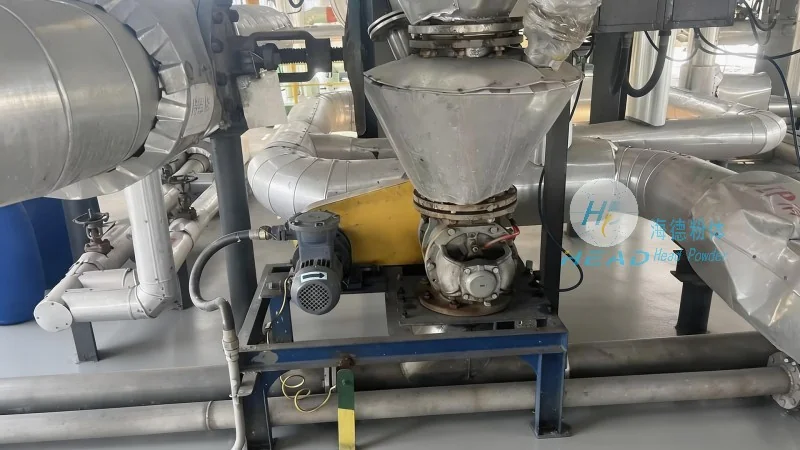
- Storage Silo: A large, airtight container where the cathode material is stored before being conveyed. The silo is equipped with a discharge valve and a venting system to manage pressure and prevent dust accumulation.
- Pneumatic Conveying Unit: The core of the system, which uses compressed air to move the powder through a pipeline. This unit typically includes a blower or compressor, a filter system to remove air contaminants, and a control panel for regulating air pressure and flow rate.
- Pipeline Network: A network of pipes that connect the storage silo to the receiving hopper or processing equipment. The pipes are often made of stainless steel or other corrosion-resistant materials to withstand the chemical properties of the cathode materials.
- Receiving Hopper: A container that collects the conveyed powder from the pipeline. It is designed to buffer the material and provide a smooth feed to downstream equipment, such as mixers or coating machines.
- Control System: An automated system that monitors and controls the operation of the conveying line. This includes sensors for detecting material flow, pressure, and air flow, as well as programmable logic controllers (PLCs) that adjust the system parameters based on real-time conditions.
Operation Process of the Pneumatic Conveying Line
The operation of the powder pneumatic conveying line for lithium-ion battery cathode materials follows a systematic sequence to ensure efficient material transport. The process typically begins with the preparation of the storage silo, where the cathode material is loaded and the pressure is adjusted to the optimal level. Once the silo is ready, the control system activates the pneumatic conveying unit, which starts to generate compressed air.
As the compressed air is introduced into the pipeline, it creates a flow that pulls the powder from the storage silo and transports it through the pipeline network. The air-powder mixture travels at high velocity, ensuring that the powder is fully suspended and moved efficiently. The receiving hopper then captures the material, and the control system adjusts the flow rate to match the requirements of the downstream processing equipment.
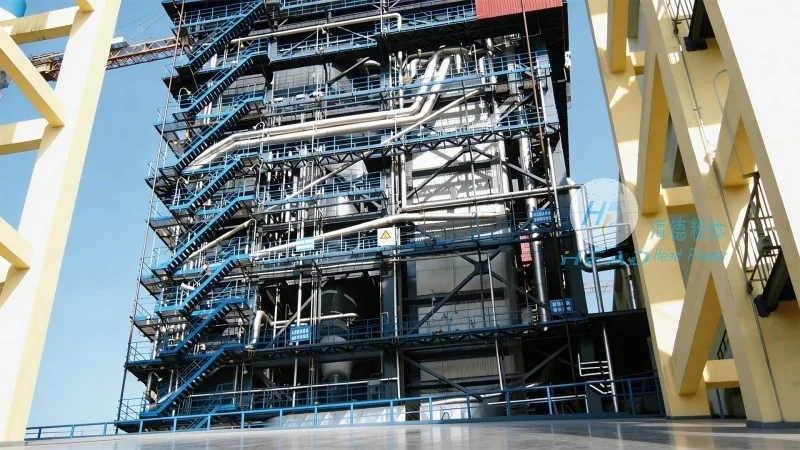
During the operation, the system continuously monitors key parameters such as air pressure, flow rate, and material level. Any deviations from the set points are detected by the sensors and corrected by the control system, ensuring that the conveying process remains stable and reliable. The filter system also plays a crucial role by removing any dust or particles from the air, preventing contamination and maintaining the quality of the cathode material.
Working Principle of the Pneumatic Conveying System
The working principle of the pneumatic conveying line is based on the fundamental physics of fluid dynamics and particle motion. The system operates by creating a pressure differential between the storage silo and the receiving hopper, which drives the flow of the air-powder mixture through the pipeline. The key principles involved include:




