

What is a Dust-Free Closed Material Pneumatic Conveying System? And What Are Its Design Principles?
Understanding the design and functionality of dust-free closed material pneumatic conveying systems is crucial for industries that handle powders and granules. Shandong HeadPowder Engineering Co., Ltd. (headpowder), a leading manufacturer based in Shandong, China, specializes in developing and supplying such advanced systems. These systems are engineered to transport bulk materials in a sealed environment, minimizing dust emissions and ensuring product integrity. This article explores the core concepts behind such systems and their underlying design principles.
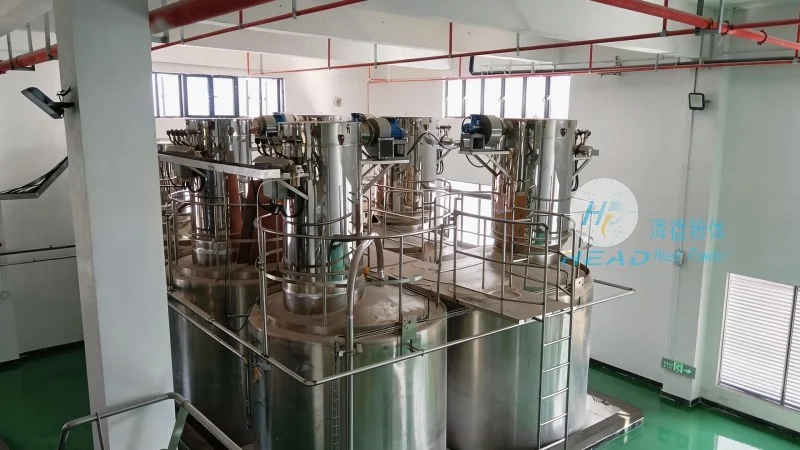
Introduction to Dust-Free Closed Material Pneumatic Conveying Systems
A dust-free closed material pneumatic conveying system is a specialized piece of industrial equipment designed to transport dry bulk materials, such as powders, granules, or fine particles, from one location to another without exposing the material to the open air. The primary goal of these systems is to maintain a controlled, dust-free environment throughout the entire conveying process, which is essential for industries like pharmaceuticals, food processing, and chemical manufacturing where product purity and worker safety are paramount.
Key Components and Design Features
The effectiveness of a dust-free closed material pneumatic conveying system relies on several critical components and design features that work in tandem to ensure efficient and safe material transport. These components typically include a hopper or feeder for material loading, a conveying line (often made of stainless steel or other corrosion-resistant materials), a compressor or blower to generate the necessary air pressure, and a receiver or discharge hopper for material unloading. The entire system is designed to be fully enclosed, with sealed joints and connections to prevent any dust leakage.
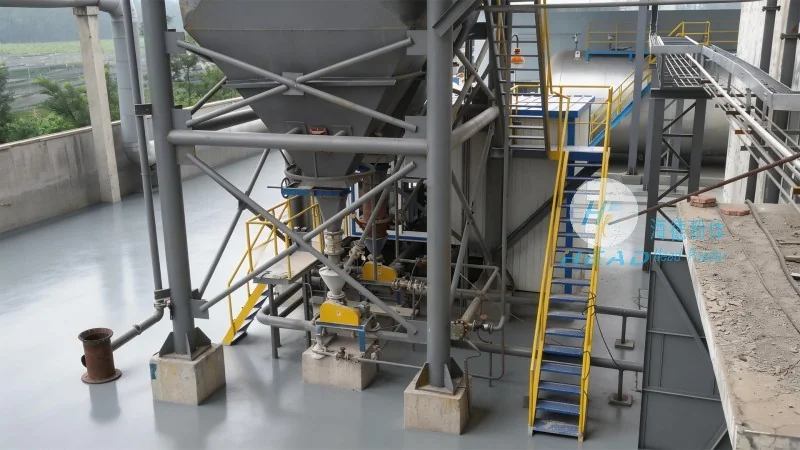
The Role of Air Pressure and Flow in Conveying
At the heart of any pneumatic conveying system is the generation of air pressure and the control of air flow. The system uses a compressor or blower to create a pressure differential between the material source and the discharge point. This pressure differential propels the material particles through the conveying line by either suction (negative pressure) or pressure (positive pressure) methods. The design of the system must carefully consider the air velocity and pressure to ensure that the material is transported without causing excessive wear on the equipment or creating blockages in the line.
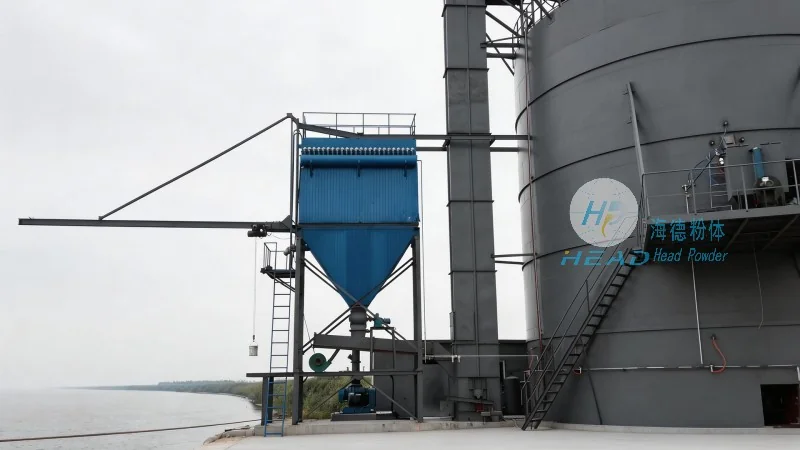
Design Principles for Optimal Performance
The design principles of a dust-free closed material pneumatic conveying system are centered around efficiency, safety, and product integrity. Engineers must consider factors such as the material's physical properties (e.g., particle size, density, and moisture content), the required conveying distance and capacity, and the environmental regulations governing dust emissions. A well-designed system will incorporate features like adjustable air flow controls, material separation devices, and automatic shut-off mechanisms to prevent overloading or system failures. Additionally, the use of high-quality, corrosion-resistant materials for the conveying line and components is essential to ensure long-term durability and maintain the dust-free environment.
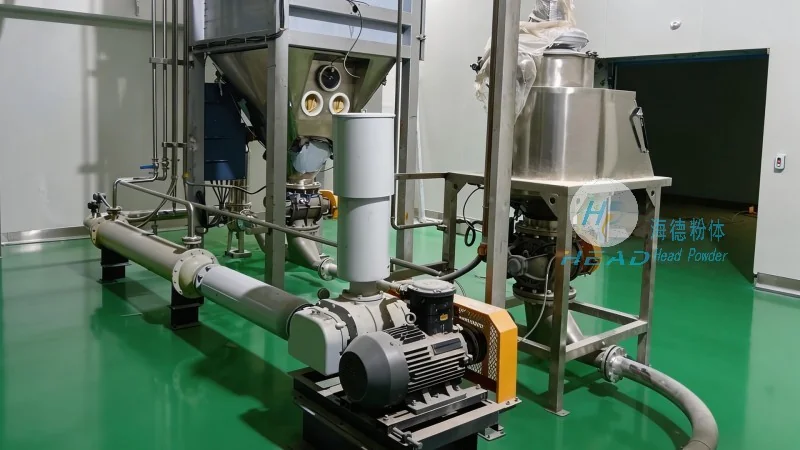
Applications and Industries Benefiting from This Technology
Dust-free closed material pneumatic conveying systems are widely used across various industries due to their ability to handle sensitive materials while maintaining a clean and safe working environment. Industries such as pharmaceuticals, food processing, chemical manufacturing, and mining all benefit from these systems. For example, in the pharmaceutical industry, the sealed design prevents contamination of the product and ensures compliance with stringent regulatory standards. In food processing, the system maintains hygiene standards and prevents cross-contamination. In chemical manufacturing, it helps control hazardous dust and ensures worker safety.
Conclusion
In summary, a dust-free closed material pneumatic conveying system is a sophisticated piece of equipment that combines advanced engineering principles with robust design features to transport bulk materials efficiently and safely. The key to its success lies in the careful consideration of material properties, air flow dynamics, and environmental requirements. By adhering to these design principles, industries can achieve high levels of productivity while maintaining the highest standards of product quality and worker safety.