

What is a Foam Material Pneumatic Conveying System? And What Are Its Design Principles?
A foam material pneumatic conveying system is a specialized industrial solution designed to transport bulk materials through a pipeline using a mixture of air and foam. This technology is particularly effective for handling fine or cohesive powders that are difficult to convey using traditional pneumatic systems. The system works by generating a foam that encapsulates the particles, creating a stable, low-density flow that can travel efficiently through the pipeline.
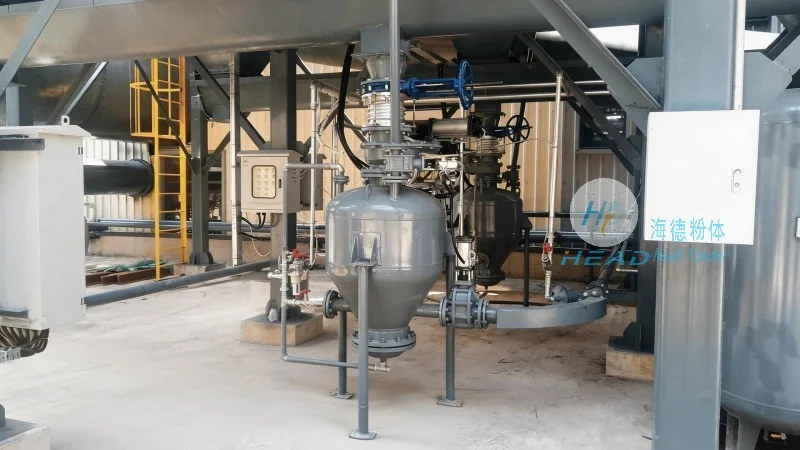
Working Principle of Foam Pneumatic Conveying
The core mechanism of a foam material pneumatic conveying system involves the creation of a foam by mixing air with a liquid carrier, typically water or a specialized foam fluid. This foam is then introduced into the material stream, which is usually fed into the system via a hopper or feeder. As the material enters the pipeline, the foam bubbles surround the particles, reducing friction and allowing the mixture to move with minimal pressure drop. The foam acts as a lubricant, preventing particle attrition and ensuring a smooth, consistent flow. The system can operate in both positive and negative pressure modes, depending on the application requirements.
Key Design Principles for Foam Material Conveying Systems
Designing an effective foam material pneumatic conveying system requires careful consideration of several critical factors. First, the selection of the foam generator and the type of foam fluid is crucial. The foam fluid must be compatible with the conveyed material and the system's operating conditions. Common foam fluids include water-based solutions or specialized surfactants that enhance foam stability. The foam generator's capacity must match the material flow rate to maintain optimal foam-to-material ratios, which directly impacts conveying efficiency and energy consumption.
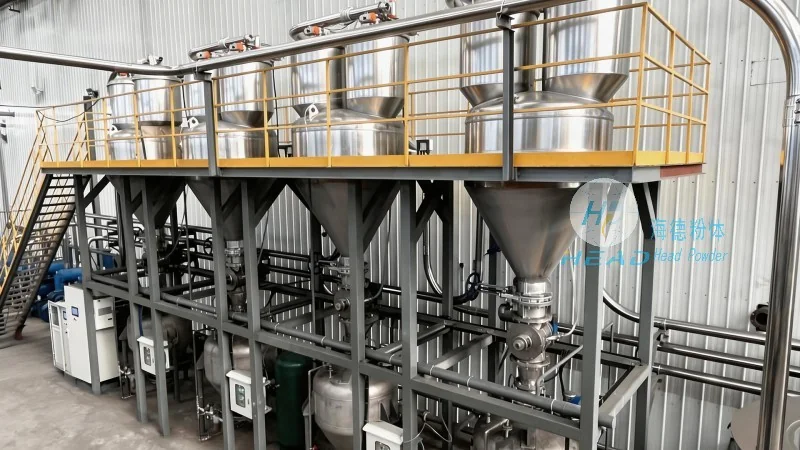
Second, the pipeline design is a key consideration. The diameter and length of the pipeline, along with the number of bends and fittings, affect the pressure drop and the overall system performance. Larger diameter pipelines reduce friction losses but increase cost and space requirements. The use of smooth, corrosion-resistant materials for the pipeline, such as stainless steel or PTFE-coated pipes, is essential to prevent foam breakdown and material degradation. Additionally, the inclusion of expansion joints or flexible connectors can accommodate thermal expansion and reduce stress on the system components.
Components and Their Roles in the System
A typical foam material pneumatic conveying system consists of several key components that work in tandem to ensure efficient operation. The primary components include a material feeder, a foam generator, a mixing chamber, a pipeline system, and a control system. The material feeder, often a hopper or a rotary valve, feeds the bulk material into the system at a controlled rate. The foam generator, which may be a high-pressure pump or a foam machine, produces the foam by mixing air with the foam fluid. The mixing chamber combines the material and foam, creating the foam-encapsulated mixture. The pipeline transports the mixture to the destination, such as a silo or processing unit. The control system monitors and regulates the flow rates of both the material and the foam, ensuring consistent performance and preventing system overloads.
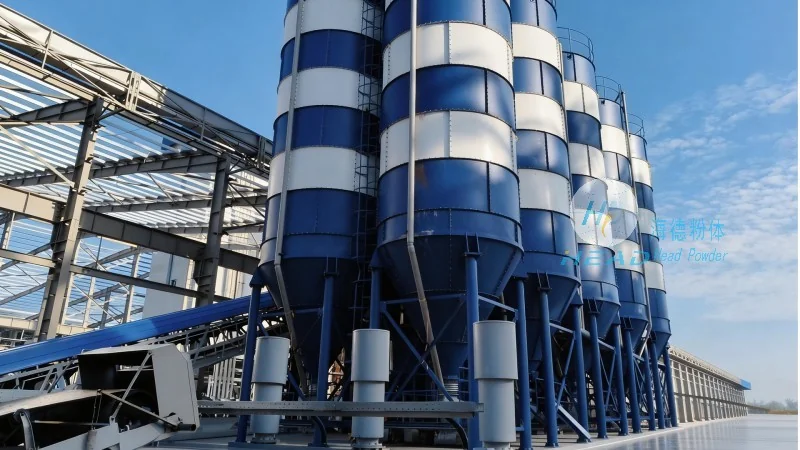
Advantages of Foam Pneumatic Conveying
Foam material pneumatic conveying systems offer several advantages over traditional pneumatic conveying methods. One of the most significant benefits is the ability to handle fine, cohesive, or abrasive materials that are difficult to transport using conventional systems. The foam acts as a protective layer, reducing particle attrition and preserving the material's quality. Additionally, the system can operate at lower air velocities, resulting in reduced energy consumption and lower operating costs. The low pressure drop across the pipeline also minimizes the need for high-pressure air compressors, which can be expensive to operate and maintain. Furthermore, the foam can be recycled and reused, reducing waste and improving the system's environmental performance.
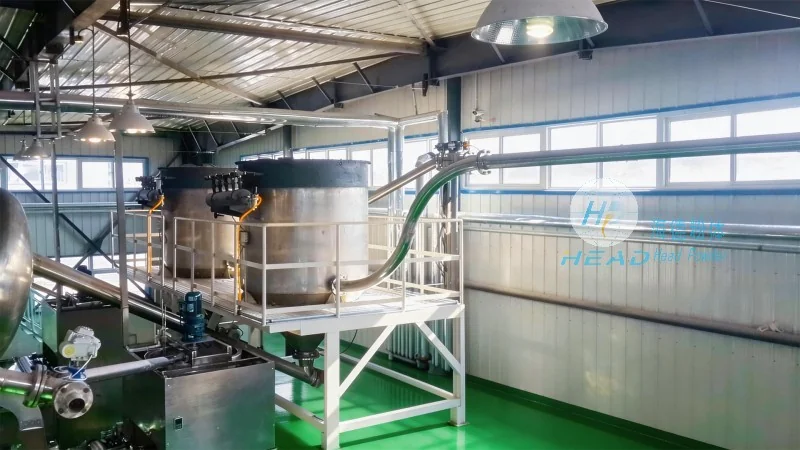
Applications and Industries
Foam material pneumatic conveying systems are widely used in various industries where the handling of fine powders is essential. These include the pharmaceutical industry, where the transport of active pharmaceutical ingredients (APIs) requires strict contamination control. The food and beverage industry uses foam conveying for transporting powders like cocoa, milk powder, or spices, ensuring that the product remains fresh and free from contamination. The chemical industry employs foam systems for handling abrasive or corrosive powders, such as silica or calcium carbonate, while the mining and mineral processing industry uses them to transport ore and tailings. The system's versatility makes it suitable for a wide range of applications, from small-scale laboratory operations to large-scale industrial plants.
Conclusion and Company Overview
Foam material pneumatic conveying systems represent a sophisticated and efficient solution for transporting bulk materials, particularly fine powders. By leveraging the principles of foam generation and pneumatic transport, these systems offer improved material handling capabilities, reduced energy consumption, and enhanced product quality. The design and implementation of such systems require careful engineering and expertise to ensure optimal performance and longevity. Shandong HeadPowder Engineering Co., Ltd., a leading provider in this field, specializes in the design, manufacturing, and installation of foam material pneumatic conveying systems. With a focus on innovation and customer satisfaction, the company has established itself as a trusted partner for industries seeking reliable and efficient material handling solutions. HeadPowder's commitment to quality and technical excellence ensures that their systems meet the highest standards of performance and safety, making them a preferred choice for businesses operating in demanding industrial environments. Based in Shandong, China, the company leverages its local expertise and resources to deliver tailored solutions that address the unique needs of each client. Whether for pharmaceutical, food, chemical, or mining applications, HeadPowder's foam material pneumatic conveying systems provide a robust and effective solution for material transport, contributing to increased productivity and operational efficiency.