

What is a Catalyst Material Pneumatic Conveying Line? What Are Its Design Principles?
In industrial settings, the efficient and safe transport of catalyst materials is a critical process that impacts overall production efficiency and product quality. A catalyst material pneumatic conveying line is a specialized system designed to handle the movement of catalyst powders and granules from one location to another using compressed air or other gases. Understanding the design principles behind such systems is essential for optimizing material handling processes and ensuring compliance with industrial standards.
About HeadPowder
HeadPowder, formally known as Shandong HeadPowder Engineering Co., Ltd., is a prominent engineering firm based in Shandong, China. The company specializes in the design, manufacturing, and installation of advanced material handling equipment, including pneumatic conveying systems tailored for catalyst applications. With years of experience in the industry, HeadPowder has established itself as a trusted partner for businesses seeking reliable solutions for their material transport needs.
Design Principles of Pneumatic Conveying Systems
The design of a catalyst material pneumatic conveying line is governed by several key principles that ensure effective and safe operation. The first principle involves selecting the appropriate conveying method, which can be either pressure or vacuum-based. Pressure systems use positive pressure to push material through the line, while vacuum systems use negative pressure to draw material. The choice between these methods depends on factors like the distance to be covered, the material's characteristics, and the system's overall layout.
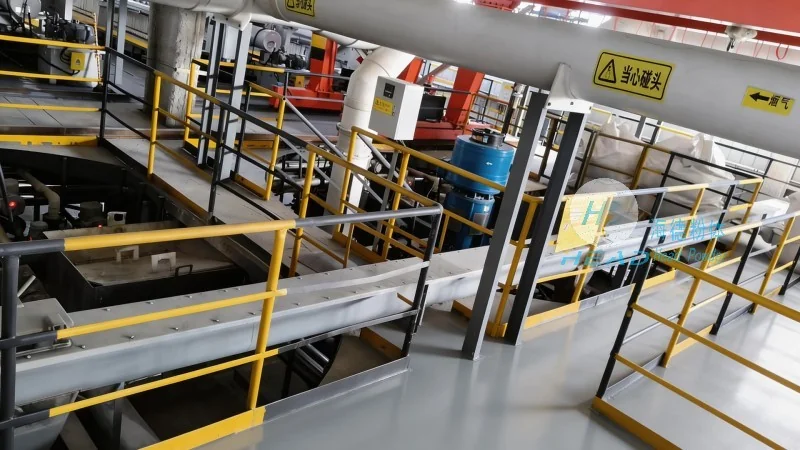
Another critical design consideration is the determination of optimal air velocity and pressure. The air velocity must be high enough to prevent material settling or blockages but low enough to avoid excessive wear on system components. The pressure level is also carefully calculated to ensure sufficient force to move the material while minimizing energy consumption. Engineers at HeadPowder use advanced computational fluid dynamics (CFD) and material flow analysis to optimize these parameters for each specific application.
Material selection for the system components is equally important. Since catalyst materials can be sensitive to moisture, temperature, or mechanical stress, the system must be constructed from materials that are chemically inert and resistant to degradation. Common materials include stainless steel, special alloys, and high-quality plastics. The choice of materials also impacts the system's durability and maintenance requirements, ensuring long-term reliability.
Key Components and Their Functions
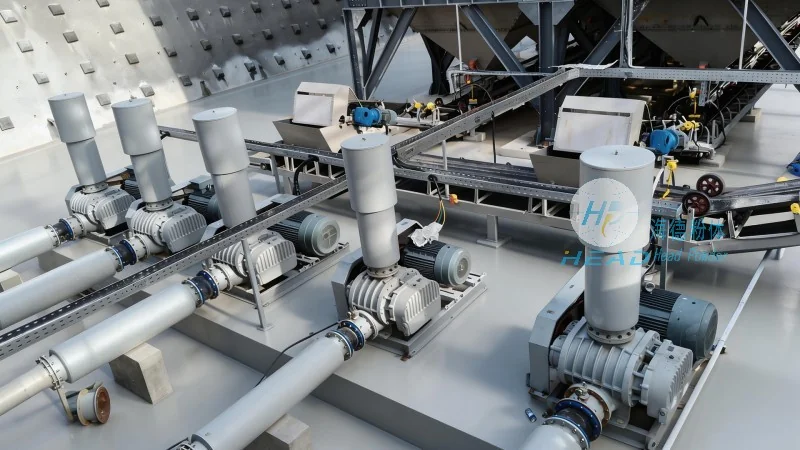
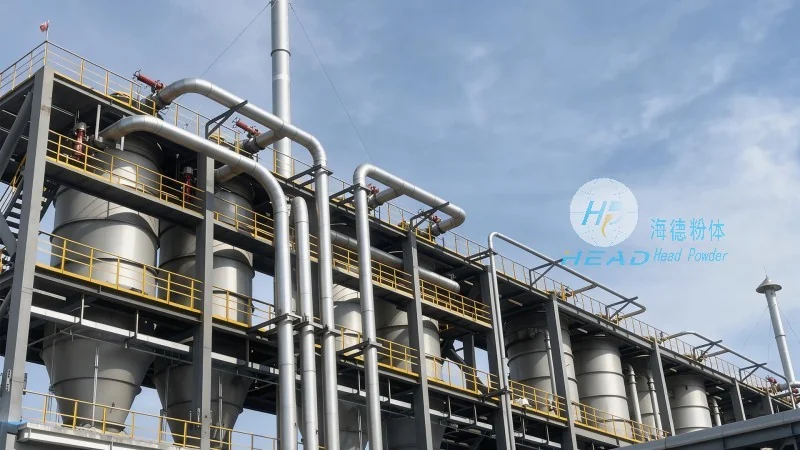
A catalyst material pneumatic conveying line typically consists of several key components, each playing a vital role in the overall operation. The primary components include a blower or compressor to generate the necessary air pressure, a material feed hopper or feeder to introduce the catalyst into the system, a conveying line (usually made of flexible or rigid tubing), and a receiver or discharge unit to collect the material at the destination.
The blower or compressor is responsible for providing the driving force for the material transport. It can be a positive displacement blower or a centrifugal compressor, depending on the system's requirements. The material feeder ensures a consistent and controlled flow of catalyst into the conveying line, preventing overloading or blockages. The conveying line itself may be made of metal or plastic, with flexible hoses often used for short-distance or flexible applications and rigid pipes for longer or more complex layouts.
The receiver or discharge unit is where the catalyst material is collected after being transported through the line. This component may include a filter to remove any entrained air or fine particles from the material, ensuring that the final product is free from contamination. In some designs, the receiver may also include a dust collection system to comply with environmental regulations and maintain a clean working environment.
Advantages and Applications
Implementing a catalyst material pneumatic conveying line offers several advantages over traditional material handling methods. These systems are generally more compact and can be installed in areas with limited space, making them ideal for retrofitting existing facilities. They also provide a dust-free and enclosed transport process, reducing the risk of material exposure to the environment and improving workplace safety. Additionally, pneumatic conveying systems can handle a wide range of catalyst materials, from fine powders to granules, with minimal degradation or loss.
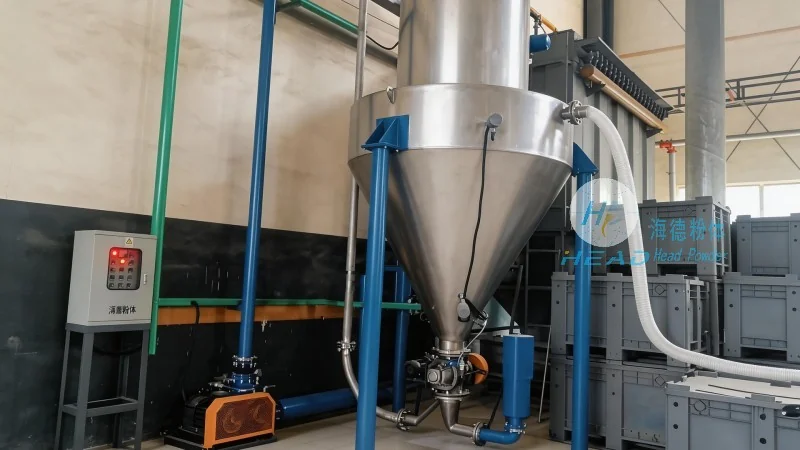
The applications of such systems are widespread across various industries, including chemical manufacturing, pharmaceuticals, and petrochemicals. In chemical plants, catalyst material pneumatic conveying lines are used to transport catalysts to reactors or storage tanks, ensuring precise dosing and efficient processing. In pharmaceutical manufacturing, these systems help maintain the purity and integrity of catalysts used in drug synthesis, adhering to stringent quality control standards.
Conclusion
Understanding the design principles of a catalyst material pneumatic conveying line is essential for industries that rely on efficient and safe material handling. By selecting the appropriate conveying method, optimizing air velocity and pressure, and using high-quality materials, these systems can deliver reliable performance while maintaining the integrity of the catalyst material. Companies like Shandong HeadPowder Engineering Co., Ltd. play a crucial role in providing tailored solutions that meet the specific needs of their clients, ensuring that material transport processes are optimized for efficiency, safety, and cost-effectiveness.