

What is a Malt Material Pneumatic Conveying System? And What Are Its Design Principles?
For professionals in the malt processing industry, understanding the technology behind efficient material handling is crucial. A malt material pneumatic conveying system is a specialized piece of equipment designed to transport malt grains and other related materials from one location to another within a production facility. This system utilizes air pressure or vacuum to move the material through a pipeline, offering a clean, efficient, and often dust-free method of conveying compared to traditional mechanical systems.
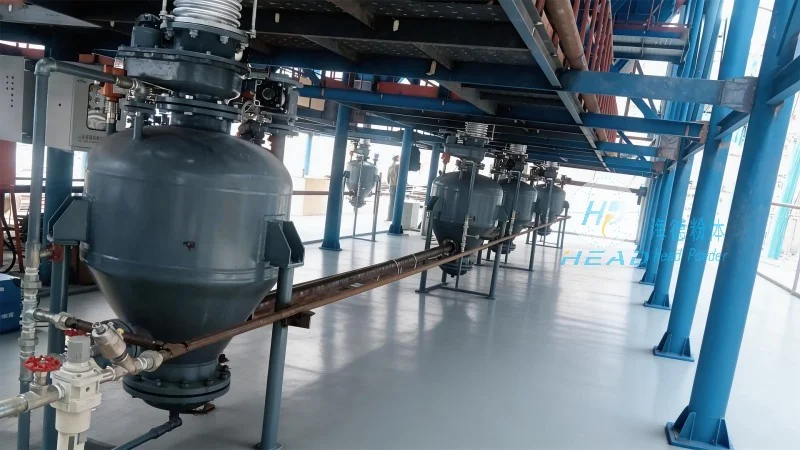
HeadPowder, a leading engineering company based in Shandong, China, specializes in the design, manufacturing, and installation of such systems. With years of experience in the industry, HeadPowder has developed comprehensive solutions tailored to the unique needs of malt processing plants. The company’s commitment to quality and innovation ensures that their pneumatic conveying systems meet the highest standards of performance and reliability.
Key Components of a Malt Material Pneumatic Conveying System
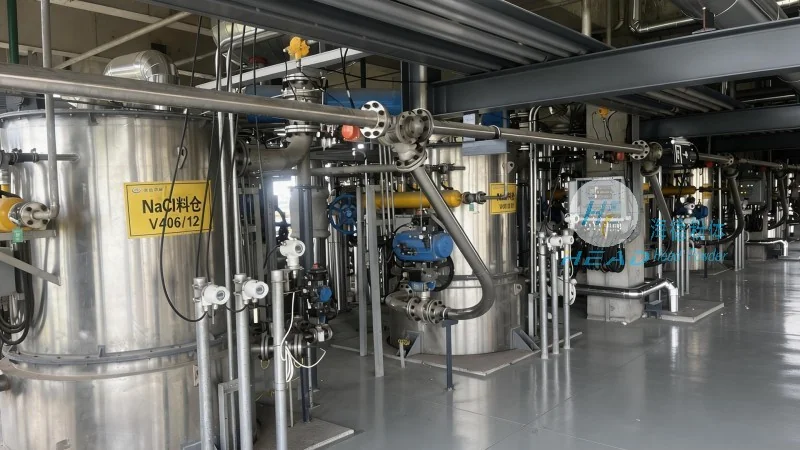
The design of a malt material pneumatic conveying system involves several critical components that work together to ensure efficient operation. These components include the material hopper, which stores the malt and feeds it into the system; the conveyor line, which is typically made of stainless steel to prevent contamination and corrosion; and the air mover, which can be either a positive pressure blower or a vacuum pump, depending on the system configuration.
Another essential component is the separation and cleaning system. This part of the design helps to remove any foreign materials or dust from the malt, ensuring that the final product remains of high quality. The system may also include a filter and a dust collector to maintain air quality and comply with environmental regulations.
Design Principles for Efficient Malt Material Handling
The design principles of a malt material pneumatic conveying system are centered on maximizing efficiency, minimizing material degradation, and ensuring safety. One of the primary design considerations is the velocity of the air flow. The air velocity must be high enough to keep the malt particles suspended in the air stream but low enough to prevent excessive wear on the pipeline and equipment. This balance is crucial for maintaining the quality of the malt and extending the lifespan of the system.
Another key principle is the system's ability to handle different types of malt, including whole grains, crushed malt, and malt flour. The design must accommodate variations in particle size, density, and moisture content to ensure consistent performance. HeadPowder's engineers carefully analyze the specific characteristics of the malt being processed to develop a system that optimizes flow rates and reduces the risk of blockages or clogging.
Advantages of Using a Pneumatic Conveying System for Malt
Compared to traditional mechanical conveying methods, a malt material pneumatic conveying system offers several advantages. First, it provides a hygienic and dust-free environment, which is essential for maintaining the quality of the malt and complying with food safety regulations. The system also reduces the risk of cross-contamination between different batches of malt.
Second, pneumatic conveying systems are highly flexible and can be easily integrated into existing production lines. They can transport materials over long distances and through multiple levels, making them suitable for complex facility layouts. Additionally, these systems are relatively low maintenance compared to mechanical conveyors, as they have fewer moving parts and are less prone to wear and tear.
Customization and Installation Services by HeadPowder
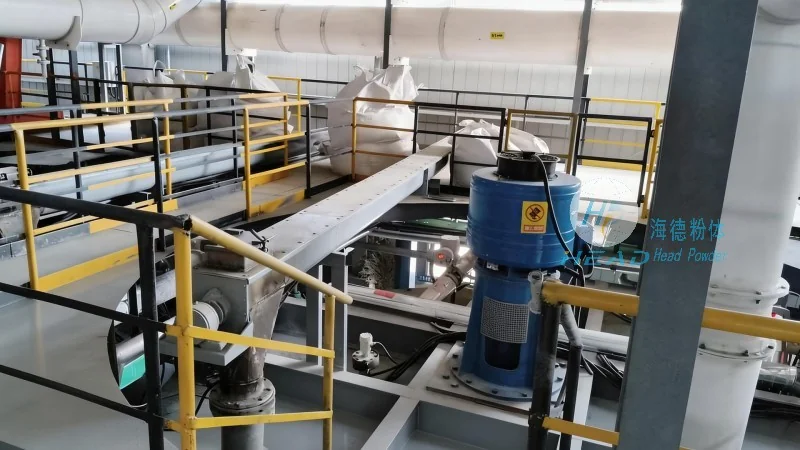
HeadPowder understands that each malt processing plant has unique requirements. Therefore, the company offers customized design and installation services to meet the specific needs of their clients. From initial consultation and system design to installation and commissioning, HeadPowder provides comprehensive support throughout the entire process.
The company’s team of experienced engineers works closely with clients to understand their production goals and operational constraints. This collaborative approach ensures that the final system is not only efficient but also cost-effective and easy to operate. HeadPowder also provides ongoing maintenance and support services to ensure that the system continues to perform at its best over the long term.
Conclusion
A malt material pneumatic conveying system is a vital component of modern malt processing facilities, offering an efficient and reliable method of material handling. With its clean operation, flexibility, and ability to handle various malt types, this technology has become a standard in the industry. HeadPowder, with its expertise and commitment to quality, continues to be a trusted partner for companies seeking to enhance their material handling capabilities and improve overall production efficiency.