

What is a Polyurethane Material Pneumatic Conveying System? And What Are Its Design Principles?
For industries dealing with polyurethane materials, efficient material handling is crucial for maintaining production flow and ensuring product quality. A polyurethane material pneumatic conveying system offers a solution by using air to transport these materials from one location to another. This article explores what such a system entails and the fundamental design principles that govern its operation.
Key Components of a Polyurethane Material Pneumatic Conveying System
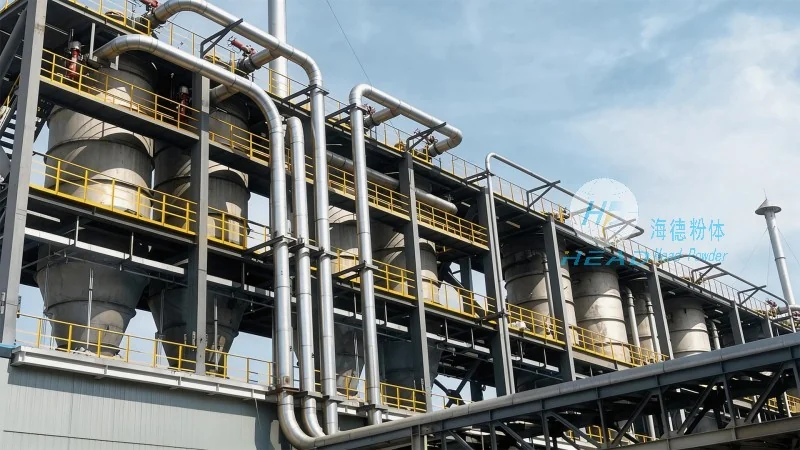
The core components of a polyurethane material pneumatic conveying system are designed to work in harmony to achieve effective material transport. These components typically include a material hopper or feeder, which holds the polyurethane material and regulates its flow into the system. The feeder may be equipped with a rotary valve or a gate valve to control the discharge rate, ensuring a consistent feed to the conveying line. The conveying line itself is often made from polyurethane or other materials that are compatible with the polyurethane being transported, minimizing wear and ensuring durability. A blower or compressor provides the necessary air pressure to move the material through the line. The system may also include a filter or separator to remove any fines or debris from the air stream, maintaining air quality and preventing system blockages. Additionally, a receiver or discharge hopper collects the material at the end of the conveying line, allowing for easy collection and processing.
Design Principles for Efficient Polyurethane Material Transport
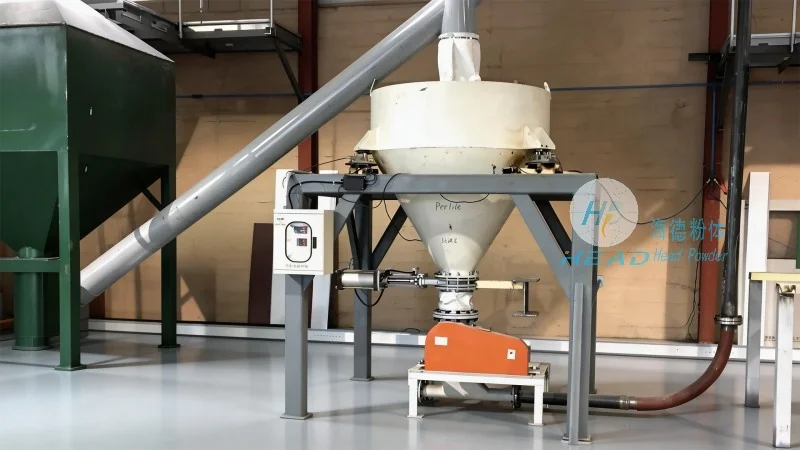
The design of a polyurethane material pneumatic conveying system is guided by several key principles to ensure optimal performance and reliability. One of the primary principles is the selection of appropriate air velocity. The air velocity must be high enough to lift and transport the polyurethane particles but not so high as to cause excessive wear on the system components or to generate too much dust. The specific air velocity required depends on the size, shape, and density of the polyurethane particles being conveyed. Another critical principle is the system's pressure and flow rate. The blower or compressor must be sized to provide sufficient pressure to overcome the resistance in the conveying line, including friction losses and any elevation changes. The flow rate must be matched to the material feed rate to prevent overloading or underloading the system. The design also considers the material's properties, such as its abrasiveness and moisture content, to select suitable components like the hopper, feeder, and conveying line material. For polyurethane materials, which can be abrasive and may contain fine particles, using high-quality polyurethane or stainless steel components is essential to extend the system's lifespan and maintain efficiency. Furthermore, the system's layout and configuration are optimized to minimize the number of bends and turns, as these can cause pressure drops and increase the risk of material buildup. Proper maintenance and cleaning procedures are also integral to the design, ensuring that the system remains operational and efficient over time.
Benefits of Using a Polyurethane Material Pneumatic Conveying System
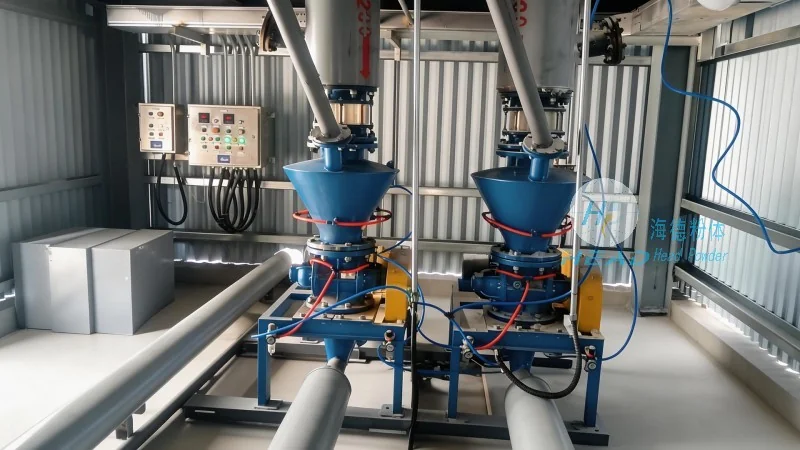
Implementing a polyurethane material pneumatic conveying system offers several advantages for industrial applications. One of the main benefits is the ability to transport materials in a dust-free environment, which improves workplace safety and reduces the risk of product contamination. This is particularly important for polyurethane materials, which can generate fine particles that are hazardous if inhaled or can affect the quality of other products in the facility. The system also allows for continuous or intermittent operation, depending on the production needs, providing flexibility in material handling. Additionally, the compact design of pneumatic conveying systems can save space in facilities where floor space is limited, as they do not require large conveyor belts or hoppers. The system's ability to handle a wide range of material sizes and shapes makes it suitable for various polyurethane products, from granules to powders. Another advantage is the reduced need for manual handling, which minimizes labor costs and the risk of human error. The system's efficiency in transporting materials over long distances or between different levels of a facility can also improve overall production throughput. By maintaining consistent material flow, the system helps prevent bottlenecks and ensures that production processes run smoothly.
Conclusion
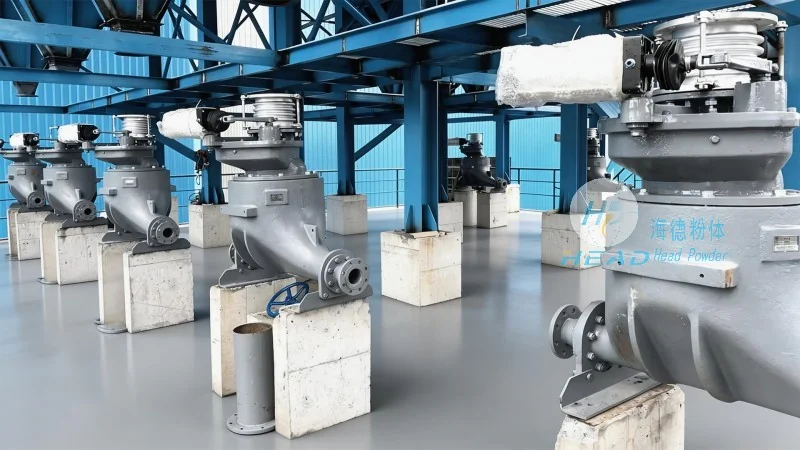
Polyurethane material pneumatic conveying systems are a reliable and efficient solution for handling polyurethane materials in industrial settings. By understanding the key components and design principles, industries can select and implement a system that meets their specific needs. The use of high-quality materials, such as polyurethane for the conveying line and compatible components, ensures durability and long-term performance. Proper system design, considering factors like air velocity, pressure, and material properties, is essential for optimal operation. The benefits of dust-free transport, flexibility, and space efficiency make these systems a valuable investment for companies dealing with polyurethane materials. As the demand for efficient material handling continues to grow, pneumatic conveying systems remain a preferred choice for maintaining production efficiency and product quality.