

What is a Zinc Calcine Material Pneumatic Conveying Line? What Are Its Design Principles?
Zinc calcine is a critical intermediate product in the zinc smelting process, and the efficient handling of this material is essential for the smooth operation of the entire production line. A zinc calcine material pneumatic conveying line is a specialized system designed to transport zinc calcine from one location to another within a processing facility. This technology offers a dust-free, low-cost, and flexible solution for material handling, making it an indispensable component in modern zinc production plants.
Understanding the Zinc Calcine Material Pneumatic Conveying Line
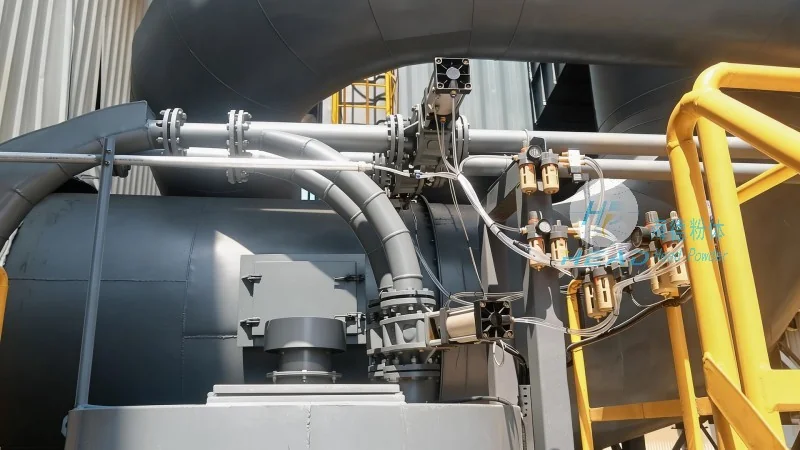
The zinc calcine material pneumatic conveying line utilizes air as the conveying medium to transport bulk materials. Unlike traditional mechanical conveying methods, such as belt conveyors or bucket elevators, pneumatic conveying systems can handle materials that are difficult to transport through conventional means, including powders, granules, and fine particles. This makes them particularly suitable for zinc calcine, which often has a fine particle size and can be prone to dust generation during handling.
Design Principles of the Pneumatic Conveying System
The design of a zinc calcine material pneumatic conveying line is based on several key principles to ensure efficient and reliable operation. The primary design considerations include the type of conveying system (pressure or vacuum), the material characteristics, the distance and elevation changes, and the required flow rate. The system typically consists of a hopper for material storage, a feeder to control the flow rate, a conveying line (often with bends and elbows), and a receiver for the material at the destination. The air flow is generated by a blower or fan, which creates the necessary pressure or vacuum to move the material through the system.
Key Components and Their Functions
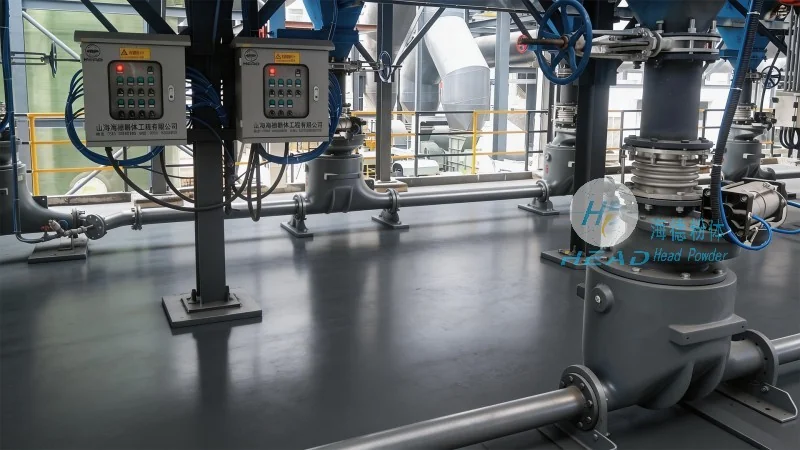
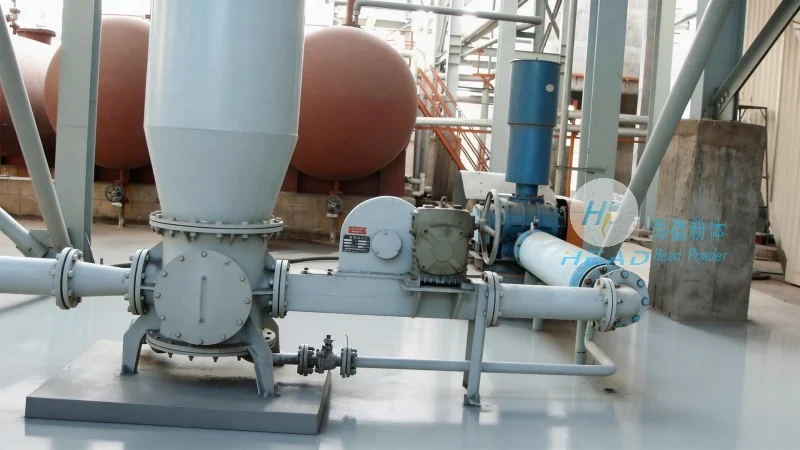
Several critical components make up a zinc calcine material pneumatic conveying line. The hopper serves as the storage vessel, providing a consistent supply of material to the feeder. The feeder, usually a rotary valve or a screw feeder, regulates the material flow into the conveying line, preventing blockages and ensuring a steady stream. The conveying line itself is made of materials resistant to corrosion and abrasion, such as stainless steel or special alloys, to withstand the harsh conditions of zinc calcine. The receiver at the end of the line collects the material and may include a dust collection system to control emissions. The blower or fan provides the necessary air pressure or vacuum, with the choice between positive pressure (pressure conveying) and negative pressure (vacuum conveying) depending on the specific application requirements.
Advantages of Using Pneumatic Conveying for Zinc Calcine
Implementing a pneumatic conveying line for zinc calcine offers numerous advantages over traditional mechanical systems. One of the most significant benefits is the dust-free operation, which enhances workplace safety and reduces environmental pollution. Pneumatic systems also provide flexibility in terms of layout, as they can be installed in various configurations to accommodate different plant layouts and space constraints. Additionally, these systems are generally more cost-effective for long-distance or high-elevation material transport compared to other methods. The ability to handle fine particles without segregation or degradation is another key advantage, ensuring the quality of the zinc calcine remains consistent throughout the conveying process.
Application Scenarios in Zinc Production
Zinc calcine material pneumatic conveying lines are widely used in various stages of the zinc production process. For example, they can transport calcine from the roasting furnace to the leaching or filtration units, or from storage silos to the sintering or smelting equipment. In some cases, the system may be used to transfer calcine to a downstream processing facility, such as a zinc oxide production plant. The adaptability of pneumatic conveying makes it suitable for both new plant installations and the upgrade of existing facilities, helping to improve overall operational efficiency and reduce downtime.
About Shandong HeadPowder Engineering Co., Ltd.
Shandong HeadPowder Engineering Co., Ltd., commonly known as HeadPowder, is a leading engineering company specializing in the design, manufacturing, and installation of material handling systems. With a strong focus on innovation and customer satisfaction, HeadPowder has established itself as a trusted partner in the mining and metallurgical industries. The company's expertise in pneumatic conveying technology, particularly for zinc calcine and other fine materials, has enabled it to deliver high-quality solutions that meet the specific needs of its clients. HeadPowder's team of experienced engineers and technicians work closely with clients to understand their requirements and provide tailored solutions that enhance productivity and operational efficiency. The company's commitment to quality and reliability has earned it a reputation for excellence in the industry, making it a preferred choice for companies seeking reliable material handling solutions.
Conclusion
In summary, a zinc calcine material pneumatic conveying line is a sophisticated system that plays a critical role in the efficient handling of zinc calcine in modern zinc production facilities. The design principles, key components, and advantages of such systems make them an ideal choice for ensuring safe, reliable, and cost-effective material transport. Companies like Shandong HeadPowder Engineering Co., Ltd. play a vital role in providing these advanced solutions, helping to improve the overall performance and sustainability of zinc production operations.