

What is a Gypsum Powder Pneumatic Conveying Line? And What Are Its Design Principles?
Gypsum powder, a widely used industrial material, often requires efficient and reliable transportation systems to move it from production sites to processing or end-use locations. A pneumatic conveying line specifically designed for gypsum powder offers a solution that addresses the unique challenges associated with handling this material. This article explores the concept of a gypsum powder pneumatic conveying line and delves into the fundamental design principles that underpin its operation.
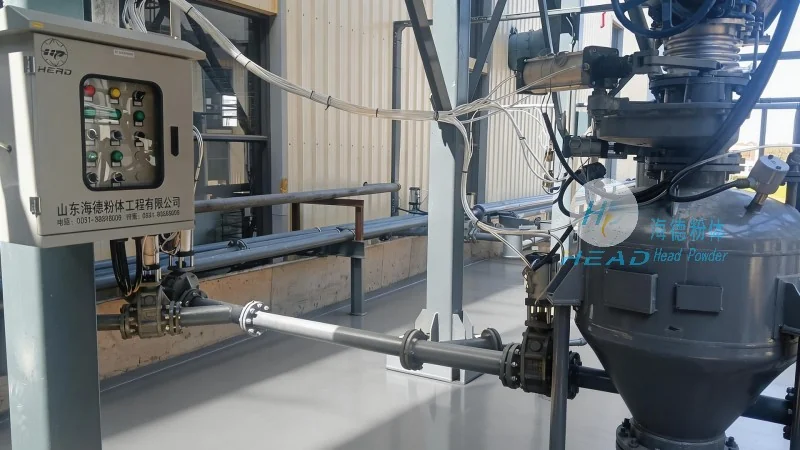
Understanding Gypsum Powder Pneumatic Conveying Lines
A gypsum powder pneumatic conveying line is a system engineered to transport dry gypsum powder through a pipeline using air or other gas as the conveying medium. Unlike traditional mechanical conveying methods, such as belt conveyors or screw conveyors, pneumatic conveying utilizes the force of moving air to propel the material. This approach is particularly advantageous for gypsum powder due to its fine particle size and potential for dust generation, which can be problematic in traditional systems.
Key Components of a Gypsum Powder Pneumatic Conveying System
The effectiveness of a gypsum powder pneumatic conveying line depends on several critical components that work in tandem to ensure efficient material transport. These components typically include a hopper or feeder to store and meter the gypsum powder, a blower or compressor to generate the necessary air pressure, a pipeline network to guide the material and air mixture, and a receiver or discharge unit to collect the material at the destination. Each component plays a vital role in maintaining the system's performance and preventing issues like blockages or material degradation.
Design Principles for Optimal Performance
The design of a gypsum powder pneumatic conveying line is guided by several key principles aimed at maximizing efficiency, minimizing energy consumption, and ensuring the safe handling of the material. One of the primary design considerations is the selection of appropriate air velocity. The air velocity must be high enough to overcome the resistance of the material particles and the pipeline, but not so high as to cause excessive wear on components or lead to material degradation. Engineers often use the "critical velocity" concept, which is the minimum air velocity required to keep the material in suspension, as a basis for determining the optimal operating parameters.
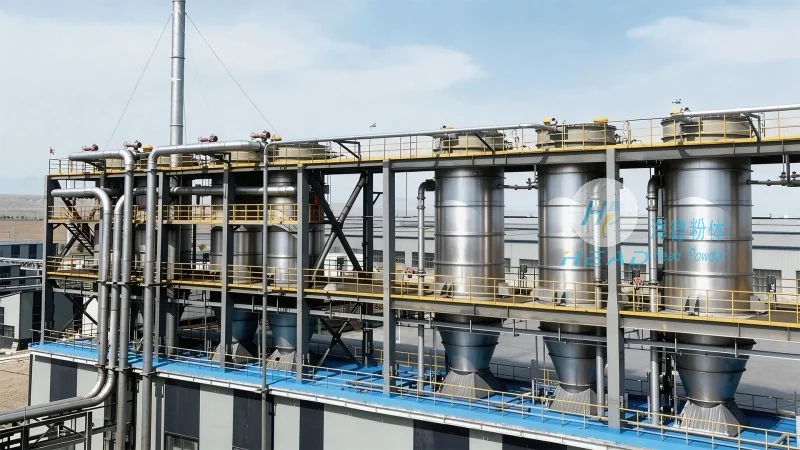
Another crucial design principle is the selection of the right pipeline diameter and material. The diameter of the pipeline is directly related to the air velocity and the volume of material being conveyed. A larger diameter may be required for high-capacity systems to reduce friction losses and prevent excessive pressure drops. The material of the pipeline, such as stainless steel or special alloys, is chosen to resist corrosion and abrasion, which are common issues when conveying fine powders like gypsum. Additionally, the system's layout, including the number and angle of bends, is carefully planned to minimize pressure losses and maintain consistent flow.
Advantages of Gypsum Powder Pneumatic Conveying
Implementing a pneumatic conveying line for gypsum powder offers several advantages over traditional conveying methods. First, it provides a dust-free and enclosed system, which enhances workplace safety and reduces the risk of environmental contamination. This is particularly important for gypsum powder, which can be a respiratory irritant if inhaled in large quantities. Second, pneumatic conveying systems are highly flexible, allowing for changes in the layout or capacity without major modifications. This adaptability is beneficial for industrial settings where production needs may evolve over time.
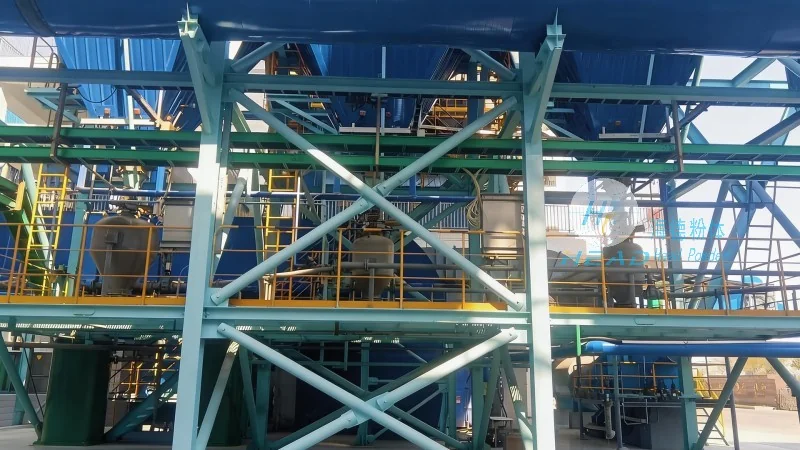
Third, the system can handle a wide range of particle sizes and moisture contents, making it suitable for various applications, from raw material transport to finished product delivery. Furthermore, the enclosed nature of the system helps maintain the quality of the gypsum powder by preventing contamination from external sources and reducing the risk of caking or agglomeration, which can occur in open storage or handling systems.
Considerations for System Integration and Maintenance
When integrating a gypsum powder pneumatic conveying line into an industrial process, several factors must be considered to ensure long-term reliability and efficiency. Proper material selection for all components, including hoppers, valves, and filters, is essential to prevent corrosion and wear. Regular maintenance, such as cleaning filters, checking for leaks, and inspecting for wear on moving parts, is crucial to prevent system downtime and maintain optimal performance. Additionally, monitoring the system's pressure and flow rates can help identify potential issues early, allowing for timely intervention and reducing the risk of material blockages or system failures.
Conclusion
A gypsum powder pneumatic conveying line is a sophisticated system designed to efficiently and safely transport gypsum powder through industrial processes. By adhering to key design principles, such as appropriate air velocity, pipeline selection, and system layout, engineers can create a reliable system that meets the demands of modern industrial applications. The advantages of enclosed, dust-free operation and flexibility make pneumatic conveying an attractive option for handling gypsum powder, and with proper maintenance and integration, it can provide long-term benefits for businesses in the industry.