Understanding the operation process and working principle of a powder pneumatic conveying line for food additives is crucial for ensuring efficient and safe material handling in the food industry. This article provides a detailed overview of how such systems function, emphasizing the key components, operational steps, and the underlying principles that govern their performance.
Introduction to Powder Pneumatic Conveying Systems
Powder pneumatic conveying lines are essential equipment used in the food processing industry to transport dry powders, such as food additives, from one location to another. These systems utilize air or gas as the conveying medium to move the material through a pipeline. The primary advantage of pneumatic conveying is its ability to handle fine powders without the need for mechanical components like belts or buckets, which can introduce contamination or wear over time. By leveraging air pressure, these systems offer a hygienic, flexible, and efficient method for transporting food additives, which is critical in maintaining product quality and safety standards.
Key Components of a Powder Pneumatic Conveying Line
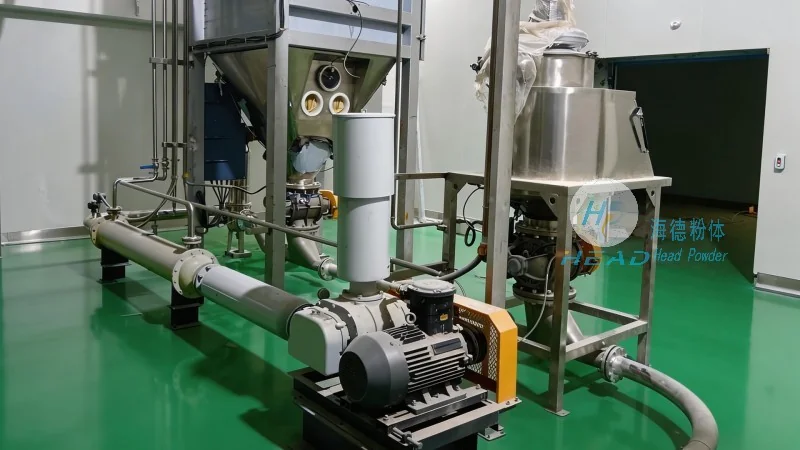
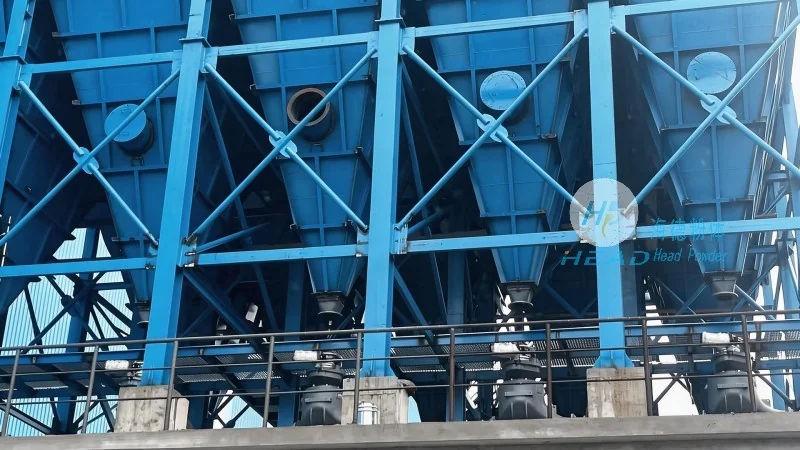
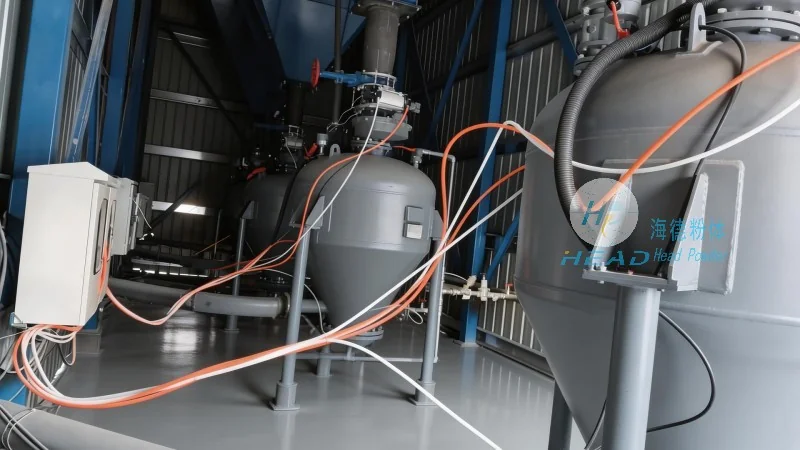
The operation of a powder pneumatic conveying line relies on several key components that work in tandem to ensure smooth material transport. These components include the hopper, which stores the food additive powder; the feeder, which controls the flow rate of the material into the conveying line; the air compressor or blower, which generates the necessary air pressure; the pipeline system, which transports the powder and air mixture; and the receiver, which collects the conveyed material at the destination. Each component plays a vital role in the overall functionality of the system, and their proper integration is essential for optimal performance.
Working Principle of the Conveying Process
The working principle of a powder pneumatic conveying line involves the creation of a pressure differential between the inlet and outlet of the pipeline. The air compressor or blower generates high-pressure air, which is introduced into the pipeline at the inlet. As the air flows through the pipeline, it picks up the food additive powder from the hopper and carries it to the receiver. The velocity of the air and the particle size of the powder determine the conveying velocity and the pressure drop along the pipeline. The system operates by maintaining a consistent air flow rate and pressure, ensuring that the powder is transported without clogging or degradation.
Operation Process: Step-by-Step Overview
The operation process of a powder pneumatic conveying line for food additives can be broken down into several sequential steps. First, the food additive powder is loaded into the hopper. The feeder then regulates the flow of the powder into the pipeline, ensuring a steady supply. The air compressor or blower starts and generates the required air pressure. The air is introduced into the pipeline, creating a positive pressure that lifts the powder particles and carries them through the system. The powder and air mixture travels through the pipeline to the receiver, where the material is collected. Finally, the air is filtered and discharged, while the powder is stored or processed further. This process is typically automated, with sensors and controls monitoring the flow rate, pressure, and other parameters to maintain optimal performance.
Advantages and Considerations in Food Additive Handling
Using a powder pneumatic conveying line for food additives offers several advantages, including hygienic operation, minimal product contamination, and the ability to handle fine powders without degradation. The system is also flexible, allowing for changes in the conveying route or capacity without major modifications. However, there are considerations to keep in mind, such as the need for proper air filtration to prevent dust accumulation and the importance of maintaining the system's components to prevent wear and tear. Regular maintenance and cleaning are essential to ensure the system operates efficiently and meets food safety standards.
Conclusion: Ensuring Efficient and Safe Material Handling
In conclusion, the operation process and working principle of a powder pneumatic conveying line for food additives are designed to provide an efficient, hygienic, and safe method for transporting dry powders. By understanding the key components and operational steps, users can optimize the system's performance and ensure that food additives are handled in compliance with industry standards. The technology offered by companies like Shandong HeadPowder Engineering Co., Ltd. in China, with their expertise in engineering such systems, provides reliable solutions for the food processing industry's material handling needs.




