

What is a Wood Dust Material Pneumatic Conveying System? And What Are Its Design Principles?
Wood dust material pneumatic conveying systems are specialized industrial equipment designed to transport fine wood dust particles through a pipeline using air pressure. These systems are widely used in various industries, including woodworking, furniture manufacturing, and wood processing, where efficient and safe material handling is crucial. The core function of such systems is to move wood dust from a source, such as a storage hopper or a production machine, to a destination, like a collection bin or a processing unit, without the need for mechanical components like belts or buckets. This method offers several advantages, including reduced contamination, improved safety, and the ability to handle materials in a closed system, minimizing dust exposure to the environment and workers.
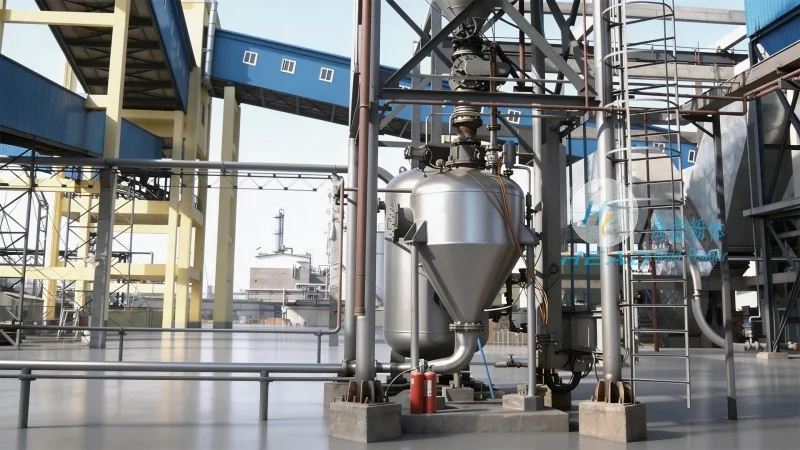
Key Components of a Wood Dust Pneumatic Conveying System
The design of a wood dust material pneumatic conveying system involves several critical components that work together to ensure efficient operation. The primary components include the material source, the conveying line, the air supply system, and the destination equipment. The material source typically consists of a hopper or a feed mechanism that feeds the wood dust into the system. The conveying line is a sealed pipeline that transports the material, often made of materials resistant to wood dust abrasion, such as stainless steel or special plastic composites. The air supply system provides the necessary pressure and volume of air to move the material through the line, which may include a blower or a compressor. The destination equipment, such as a collection bin or a processing machine, receives the material at the end of the conveying line. Each component must be carefully selected and sized to ensure optimal performance and to prevent issues like blockages or excessive pressure drops.
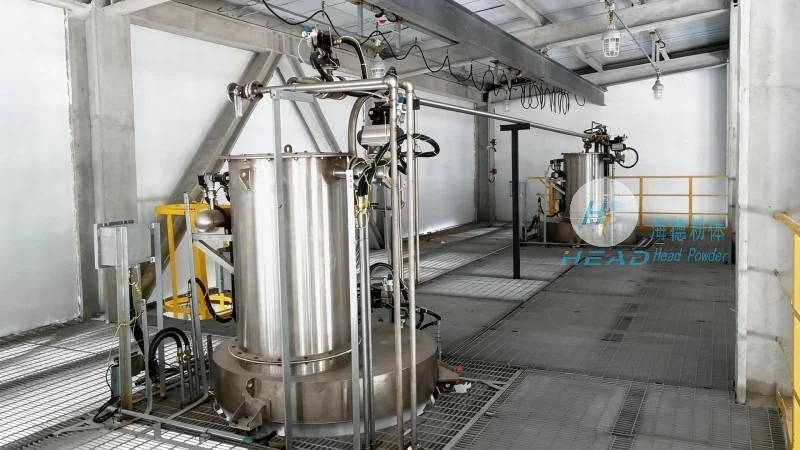
Design Principles for Efficient Wood Dust Conveying
The design principles of a wood dust material pneumatic conveying system focus on achieving high efficiency, reliability, and safety. One of the fundamental principles is the selection of the appropriate air velocity. The air velocity must be high enough to lift and transport the wood dust particles but not so high that it causes excessive pressure losses or wear on the system components. The optimal air velocity is typically determined by the particle size, density, and moisture content of the wood dust. Another key principle is the use of a closed system to minimize dust emissions and ensure environmental compliance. The system should be designed with proper sealing and filtration to capture any dust that may escape, protecting both the environment and the workers. Additionally, the system should be equipped with safety features, such as pressure relief valves and emergency shut-off mechanisms, to prevent accidents and ensure safe operation. The design also considers the material's properties, such as its tendency to agglomerate or clog the pipeline, and incorporates features like agitators or vibration systems to prevent blockages.
Applications and Benefits of Wood Dust Pneumatic Conveying
Wood dust material pneumatic conveying systems are used in a variety of applications across different industries. In woodworking, they are used to transport sawdust, shavings, and other fine wood particles from production machines to collection bins or waste processing units. In furniture manufacturing, they help move wood dust from sanding and finishing processes to dust collection systems, improving air quality in the workshop. The benefits of using such systems include improved workplace safety by reducing dust exposure, increased efficiency by automating material handling, and reduced maintenance costs due to the absence of mechanical components that require regular replacement. Additionally, the closed system design helps maintain product quality by preventing contamination from external sources and by controlling the moisture content of the wood dust, which is critical for downstream processes like molding or pressing.
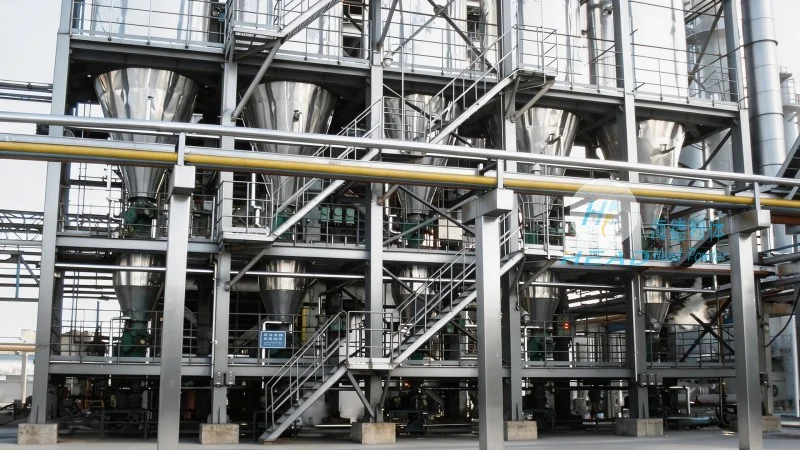
Company Overview: Shandong HeadPowder Engineering Co., Ltd.
Shandong HeadPowder Engineering Co., Ltd., commonly known as HeadPowder, is a leading manufacturer of pneumatic conveying systems and related equipment. With a strong focus on innovation and quality, HeadPowder specializes in designing and manufacturing systems tailored to the specific needs of wood dust and other fine material applications. The company's products are known for their durability, efficiency, and reliability, making them a preferred choice for industries that require high-performance material handling solutions. HeadPowder's team of engineers and technicians work closely with clients to understand their unique requirements and develop customized solutions that meet their operational and safety standards. The company is committed to providing comprehensive support, including installation, maintenance, and technical assistance, to ensure that its systems operate at peak performance throughout their service life. HeadPowder's headquarters is located in Shandong, China, where the company maintains state-of-the-art manufacturing facilities and research and development centers to stay at the forefront of pneumatic conveying technology.