The Seaweed Residue Granular Material Conveying System, developed by Shandong HeadPowder Engineering Co., Ltd., is a specialized piece of equipment designed to efficiently handle and transport granular materials derived from seaweed processing. This system is particularly important in the processing industries where seaweed is utilized, as it ensures the smooth and reliable movement of these materials from one stage of production to another. The following sections will detail the operational process and the underlying working principles of this system.
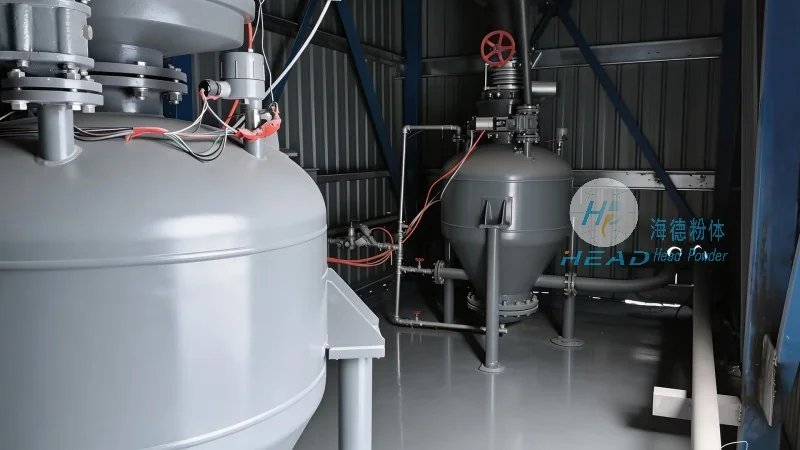
System Overview and Key Components
Before delving into the operation process, it is essential to understand the primary components that make up the seaweed residue granular material conveying system. The system typically consists of several key parts, including a hopper for material storage, a feeding mechanism to regulate the flow of granules, a conveyor or transport unit that moves the material through the system, and a control panel that monitors and adjusts the operation parameters. Each component plays a critical role in ensuring the efficient and safe handling of the seaweed residue. The hopper is designed to hold a sufficient quantity of the granular material, preventing interruptions in the feeding process. The feeding mechanism, often a screw or a rotary valve, controls the rate at which the material is released into the conveyor. The conveyor unit, which may be a belt conveyor, screw conveyor, or pneumatic conveyor depending on the specific application, is responsible for transporting the material to the next processing stage. The control panel integrates sensors and controls to monitor parameters such as flow rate, pressure, and temperature, allowing for real-time adjustments to maintain optimal performance.
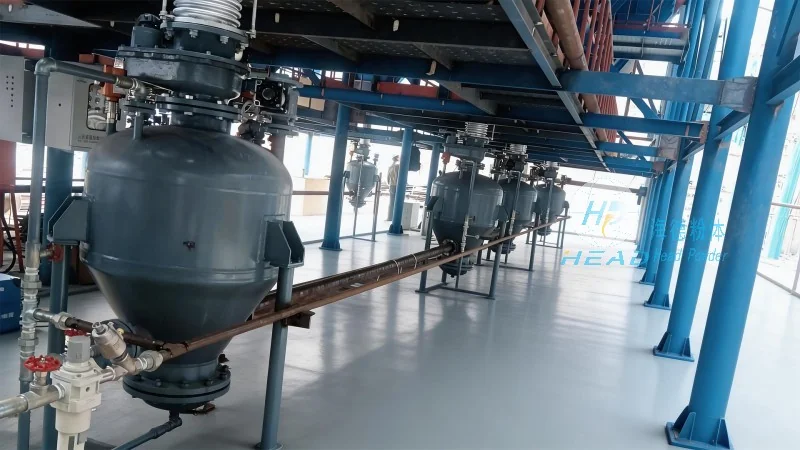
Operation Process: Step-by-Step Guide
The operation of the seaweed residue granular material conveying system follows a systematic sequence of steps to ensure consistent and reliable material transport. The process begins with the loading of the seaweed residue into the hopper. Once the hopper is filled, the feeding mechanism starts to operate, gradually releasing the material into the conveyor. The conveyor then transports the granules through the system, moving them from the inlet to the outlet. Throughout this process, the control panel continuously monitors the system's performance, adjusting the feeding rate or conveyor speed as needed to maintain a steady flow. The system may also include safety features such as overload protection and emergency stop buttons to prevent accidents and ensure the safety of the operators. The entire operation is designed to be automated to a large extent, reducing the need for manual intervention and minimizing the risk of human error.
Working Principle: How the System Transfers Energy and Material
The working principle of the seaweed residue granular material conveying system is based on the transfer of energy from the driving mechanism to the material being conveyed. The system utilizes various mechanisms to move the granular material, each with its own specific method of operation. For example, a screw conveyor works by rotating a screw within a tube, which pushes the material forward due to the friction between the screw and the material. A belt conveyor, on the other hand, uses a moving belt that carries the material along its surface, relying on gravity and the belt's motion to transport the granules. The control panel plays a crucial role in regulating the speed and torque of the driving mechanisms, ensuring that the material is moved at an appropriate rate without causing excessive wear or damage to the equipment. The system also incorporates sensors to detect the level of material in the hopper and the flow rate through the conveyor, providing feedback to the control system to maintain optimal operation. This closed-loop control system ensures that the conveying process is efficient, consistent, and safe.
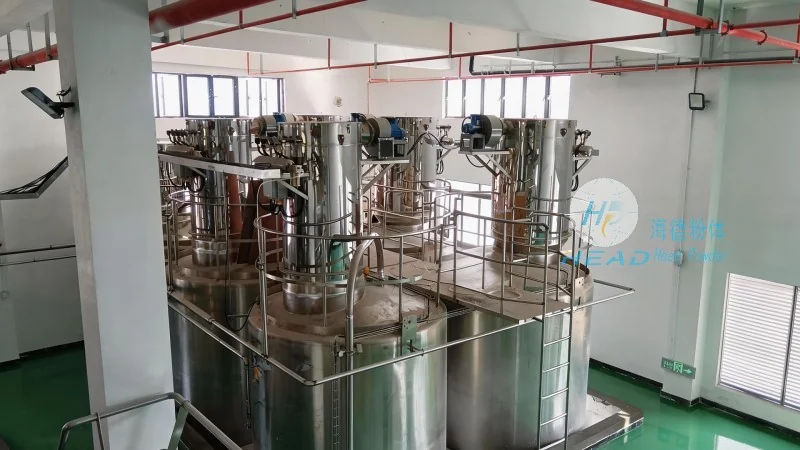
Benefits and Applications of the System
The seaweed residue granular material conveying system offers several benefits that make it a valuable asset in processing facilities. One of the primary advantages is its ability to handle a wide range of granular materials, including those with varying moisture content and particle sizes. The system is also designed to be durable and long-lasting, with components made from materials that can withstand the corrosive nature of seaweed residue. Additionally, the system is energy-efficient, using minimal power to transport the material over long distances. The system is widely used in industries such as food processing, where seaweed is used as a source of nutrients or as an ingredient in various products. It is also applicable in the production of biofuels, where seaweed residue is processed into biomass for energy generation. The system's reliability and efficiency make it an essential part of the production line, ensuring that the processing of seaweed residue is carried out smoothly and without interruption.




