HeadPowder, a leading provider in the field of material handling solutions, specializes in the design, manufacturing, and implementation of advanced pneumatic conveying systems tailored for rare earth powder applications. This article provides a detailed classification of such systems and an analysis of their practical applications, highlighting the technical considerations and operational benefits for industries relying on efficient material transport.
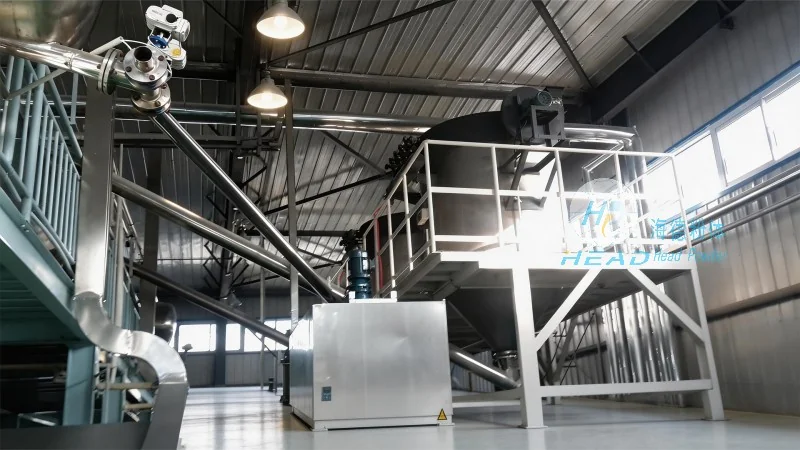
Overview of Rare Earth Powder Pneumatic Conveying Systems
Rare earth powders, due to their unique chemical and physical properties, require specialized handling equipment to ensure minimal degradation, contamination, and loss during transport. Pneumatic conveying systems offer a non-contact, flexible, and efficient method for moving these powders from one location to another. The primary goal of such systems is to maintain the integrity of the material while achieving high throughput and operational reliability.
Classification of Pneumatic Conveying Systems for Rare Earth Powders
Based on the method of air and material interaction, rare earth powder pneumatic conveying systems can be broadly classified into two main categories: dilute-phase and dense-phase systems. Each type has distinct characteristics, advantages, and applications.
Dilute-Phase Pneumatic Conveying
Dilute-phase systems operate by suspending the powder particles in a high-velocity air stream. The material is carried through the pipeline at relatively low concentrations, typically ranging from 1 to 10% by volume. This method is characterized by high velocity, short transport distances (usually up to several hundred meters), and low pressure requirements. Dilute-phase systems are suitable for applications where the powder is non-abrasive, non-explosive, and requires minimal pressure to move. They are commonly used in processes where the material needs to be conveyed quickly and with minimal segregation.
Dense-Phase Pneumatic Conveying
Dense-phase systems, also known as low-velocity or high-pressure systems, transport the powder at higher concentrations, typically ranging from 10 to 30% by volume. The material is moved through the pipeline at lower velocities compared to dilute-phase systems, often using positive displacement pumps or pressure vessels to generate the necessary pressure. This method is ideal for abrasive, explosive, or heat-sensitive powders, as it reduces particle impact and friction, minimizing degradation. Dense-phase systems are suitable for longer transport distances (up to several kilometers) and applications requiring precise control over material flow and pressure.
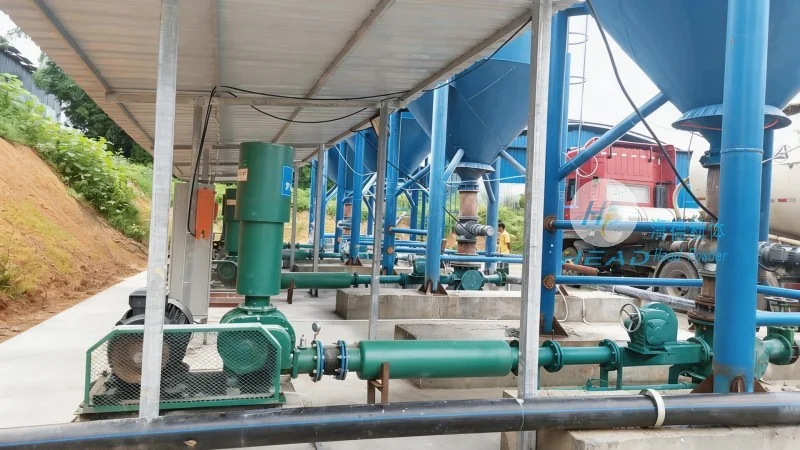
Key Components and Design Considerations
Regardless of the system type, rare earth powder pneumatic conveying systems consist of several critical components, including feeders, air movers (blowers or compressors), pipelines, separation equipment, and control systems. The design of these components is crucial for ensuring the system operates efficiently and safely.
Feeding Equipment
The feeder is responsible for introducing the rare earth powder into the air stream at a controlled rate. For dilute-phase systems, rotary valves or star feeders are commonly used, while dense-phase systems often employ positive displacement feeders or pressure vessels. The choice of feeder depends on the powder's flowability, particle size, and the required flow rate. Proper feeding ensures consistent material transport and prevents blockages or surges.
Air Movers
Air movers, such as centrifugal blowers or positive displacement compressors, provide the necessary airflow and pressure to move the powder. The selection of the air mover is based on the system's capacity, pressure requirements, and the type of powder being conveyed. For dilute-phase systems, high-velocity blowers are preferred, while dense-phase systems may require high-pressure compressors to achieve the required pressure levels.
Pipelines and Fittings
The pipeline system is designed to withstand the pressure and abrasive nature of the rare earth powder. Materials like stainless steel, aluminum, or special alloys are commonly used to prevent corrosion and wear. The design of the pipeline, including the use of bends, elbows, and straight sections, is optimized to minimize pressure drop and maintain the material's flow characteristics. Proper sealing and connection of fittings are essential to prevent leaks and ensure system integrity.
Separation and Collection
At the end of the conveying line, separation equipment is used to separate the powder from the air stream. This typically involves cyclones, filters, or baghouses, depending on the powder's properties and the required level of cleanliness. The collected powder is then discharged into a storage or processing vessel. The efficiency of the separation system is critical to maintaining the purity of the material and preventing dust emissions.
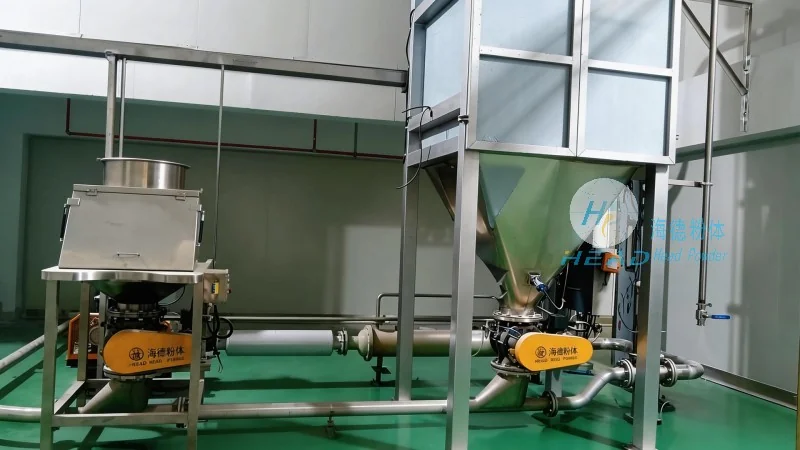
Applications in Various Industries
Rare earth powder pneumatic conveying systems find extensive applications across multiple industries due to their versatility and efficiency. The following are some key applications:
Electronics and Manufacturing
In the electronics industry, rare earth powders are used in the production of magnets, catalysts, and other components. Pneumatic conveying systems are used to transport these powders from storage to processing equipment, ensuring a clean and controlled supply. The systems help maintain the purity of the material, which is crucial for the quality of the final products.
Automotive and Aerospace
The automotive and aerospace sectors utilize rare earth powders in the manufacturing of high-performance magnets and alloys. Pneumatic conveying systems are employed to move these powders from raw material storage to production lines, enabling efficient and continuous production. The systems are designed to handle abrasive and high-value materials, ensuring minimal loss and contamination.
Energy and Environmental
Rare earth powders are also used in energy storage devices and environmental remediation technologies. Pneumatic conveying systems facilitate the transport of these materials in research and development facilities, supporting the advancement of sustainable energy solutions. The systems help in maintaining the material's integrity during transport, which is essential for experimental and production processes.
Operational Benefits and Considerations
Implementing rare earth powder pneumatic conveying systems offers several operational benefits, including improved material handling efficiency, reduced labor costs, and enhanced safety. However, there are also considerations to address, such as system maintenance, energy consumption, and material compatibility.
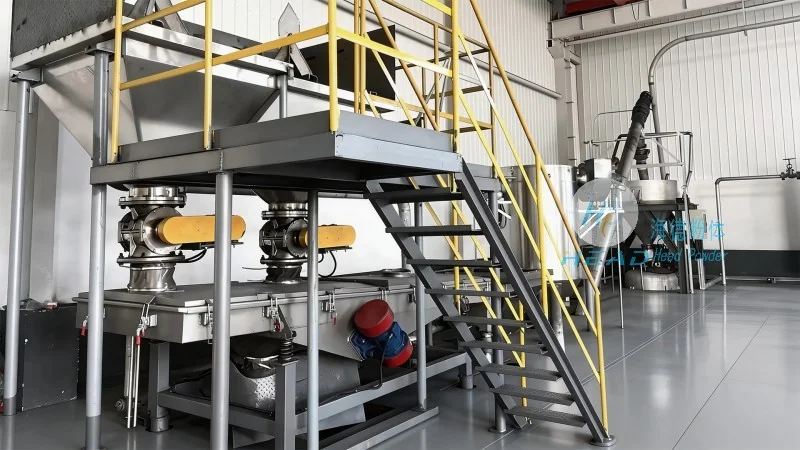
Efficiency and Cost Savings
Pneumatic conveying systems can significantly reduce the time and labor required for material transport compared to traditional methods like bucket elevators or belt conveyors. The continuous and automated operation of these systems minimizes downtime and increases overall productivity. Additionally, the non-contact nature of the system reduces wear and tear on equipment, leading to lower maintenance costs over time.
Safety and Environmental Compliance
Handling rare earth powders requires strict adherence to safety and environmental regulations. Pneumatic conveying systems are designed to minimize dust emissions and prevent the release of hazardous materials. The use of sealed pipelines and efficient separation equipment helps maintain a safe working environment and complies with environmental standards. This is particularly important for powders that may be toxic or cause respiratory issues if inhaled.
Maintenance and Reliability
Regular maintenance is essential to ensure the long-term reliability of pneumatic conveying systems. Components such as feeders, air movers, and pipelines need to be inspected and serviced periodically to prevent breakdowns and maintain optimal performance. The use of high-quality materials and components, as offered by HeadPowder, ensures the durability and longevity of the system.
Conclusion
HeadPowder Engineering Co., Ltd., based in Shandong, China, provides comprehensive solutions for rare earth powder pneumatic conveying systems. By understanding the classification and application of these systems, industries can select the most appropriate technology to meet their specific needs. The efficient and reliable operation of pneumatic conveying systems not only enhances productivity but also ensures the safety and environmental compliance of material handling processes.




