Classification and Application Analysis of Polycrystalline Silicon Pneumatic Conveying Systems
Release time:2026-09-14 10:48:53
name of the company:Shandong Headpowder Engineering Co., Ltd.
telephone:156-6277-7102
contacts:Zhang manager
Polycrystalline silicon, a critical material in the photovoltaic industry, requires efficient and reliable material handling solutions for its production processes. Pneumatic conveying systems have emerged as a preferred method for transporting polycrystalline silicon due to their ability to handle fine powders with minimal dust generation and high transport efficiency. This article, provided by Shandong HeadPowder Engineering Co., Ltd. (headpowder), offers a detailed classification of polycrystalline silicon pneumatic conveying systems and explores their practical applications in industrial settings.
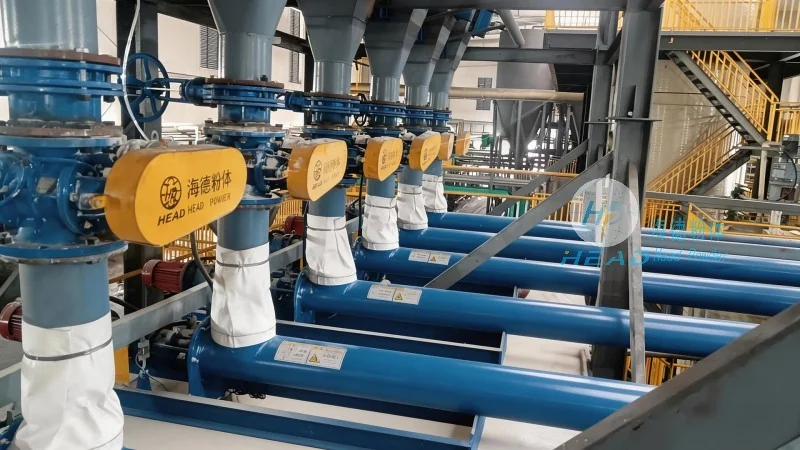
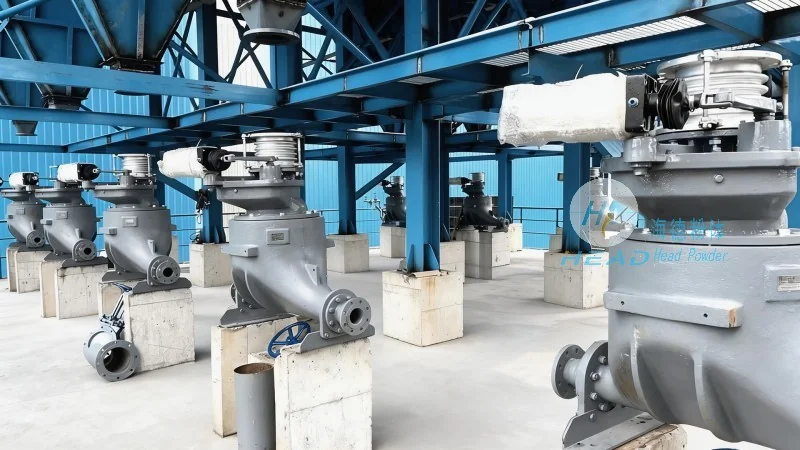
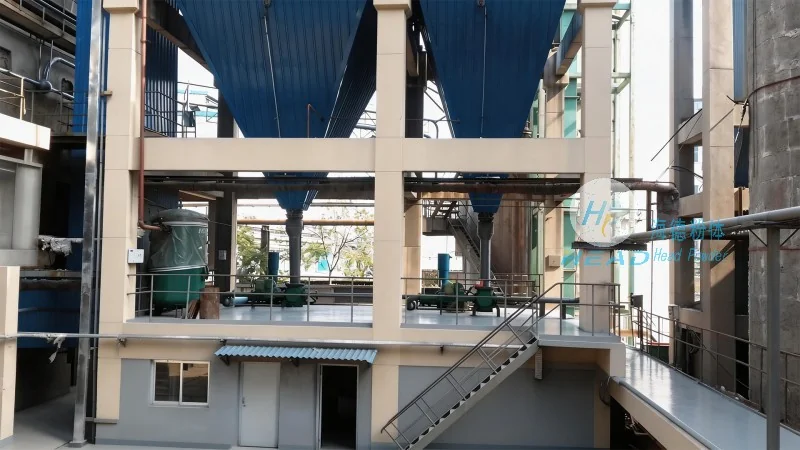
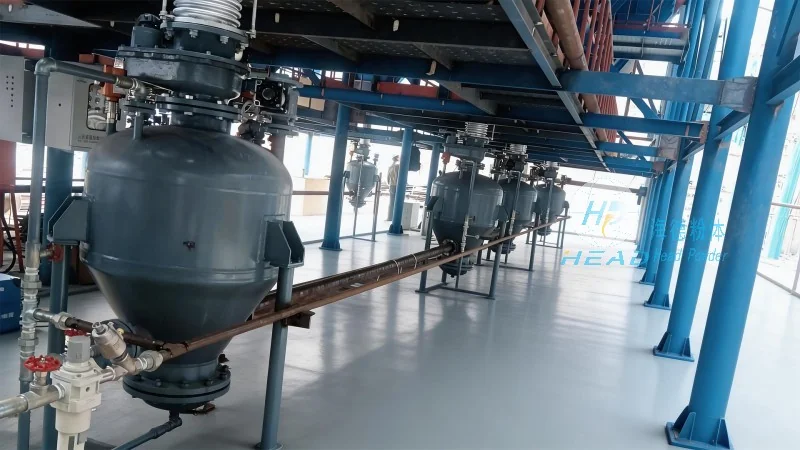
Introduction to Polycrystalline Silicon Pneumatic Conveying Systems
Polycrystalline silicon (poly-Si) is widely used in the manufacturing of solar cells and other semiconductor devices. The production of poly-Si involves several stages, including raw material preparation, melting, and crystal growth. During these stages, the handling of fine powders and granules is essential for maintaining product quality and operational efficiency. Pneumatic conveying systems offer a non-contact, low-maintenance method for transporting these materials, which is particularly advantageous in high-purity environments where contamination must be minimized.
Classification of Polycrystalline Silicon Pneumatic Conveying Systems
Polycrystalline silicon pneumatic conveying systems can be broadly classified into two main categories based on the conveying principle: pressure and vacuum systems. Each type has distinct characteristics and is suitable for different operational requirements.




