Classification and Application Analysis of Potassium Chloride Pneumatic Conveying Systems
Release time:2026-09-14 10:48:53
name of the company:Shandong Headpowder Engineering Co., Ltd.
telephone:156-6277-7102
contacts:Zhang manager
As a specialized manufacturer in the field of material handling, Shandong HeadPowder Engineering Co., Ltd. provides comprehensive solutions for the transportation of potassium chloride through pneumatic conveying systems. This article aims to classify the different types of these systems and analyze their practical applications, offering insights into the technical aspects and operational advantages for potential users.
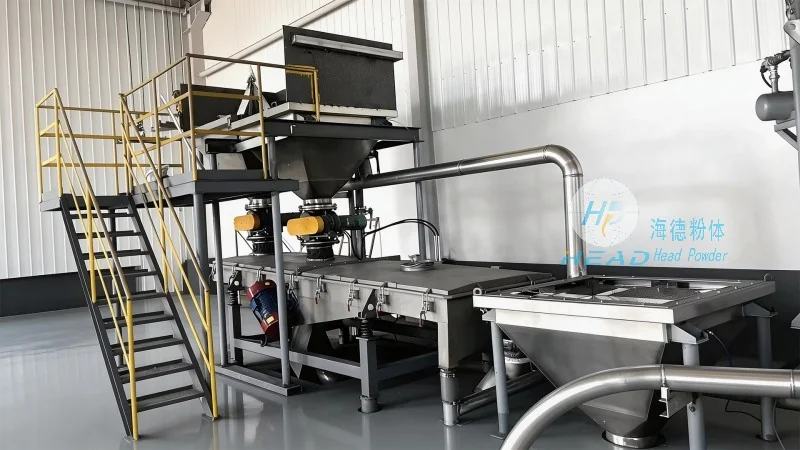
Company Profile: Shandong HeadPowder Engineering Co., Ltd.
HeadPowder, the professional brand under Shandong HeadPowder Engineering Co., Ltd., is headquartered in Shandong, China. With years of experience in engineering and manufacturing, the company specializes in designing and supplying advanced pneumatic conveying equipment tailored for the handling of bulk materials like potassium chloride. Our commitment to quality and innovation ensures that clients receive reliable systems that meet industrial standards and operational efficiency requirements.
Classification of Potassium Chloride Pneumatic Conveying Systems
Potassium chloride pneumatic conveying systems can be broadly classified based on the conveying principle and the type of air flow used. The primary categories include:
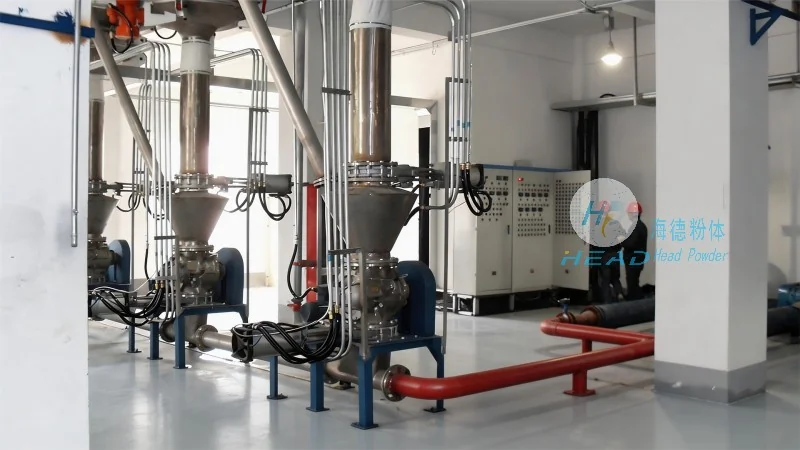
- Positive Pressure Conveying: This system uses a positive pressure to push the material through the pipeline. It is suitable for short to medium distances and is commonly used when the material is non-abrasive and has low moisture content. The positive pressure system ensures a consistent flow rate and can handle a wide range of material characteristics.
- Negative Pressure (Vacuum) Conveying: In this method, a vacuum is created at the receiving end to draw the material into the pipeline. It is ideal for long-distance transportation and is particularly effective when dealing with fine powders or materials that are prone to dust generation. The vacuum system allows for a more controlled and clean operation, reducing the risk of material spillage and environmental contamination.
- Combined (Bi-Directional) Conveying: This system integrates both positive and negative pressure capabilities, enabling bidirectional material flow. It offers flexibility in handling different material types and operational scenarios, making it suitable for complex industrial processes where material needs to be transported in both directions.
Key Components and Working Principles
Each type of pneumatic conveying system consists of several critical components that work in harmony to ensure efficient material transport. The main components include:
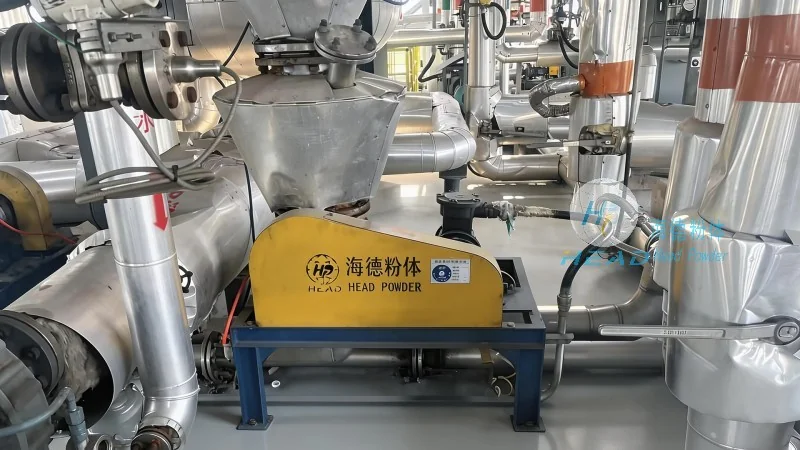
- Feeder: The feeder is responsible for accurately metering and feeding the potassium chloride into the conveying line. It ensures a consistent material flow rate, which is crucial for maintaining system stability and preventing blockages.
- Pneumatic Conveying Pipe: The pipeline is the core of the system, where the material is transported using air. The design of the pipe, including its diameter, length, and bends, significantly impacts the system's performance and efficiency.
- Blower or Vacuum Pump: This component generates the necessary air pressure or vacuum to move the material. The choice of blower (positive pressure) or vacuum pump (negative pressure) depends on the system classification and the specific application requirements.
- Receiver: The receiver is where the material is deposited after being conveyed. It is designed to handle the material's characteristics, such as dust content and moisture, to prevent clogging and ensure proper discharge.
Application Analysis of Potassium Chloride Pneumatic Conveying Systems
The application of potassium chloride pneumatic conveying systems varies across different industries, primarily due to the material's properties and the operational environment. Here are some key applications:
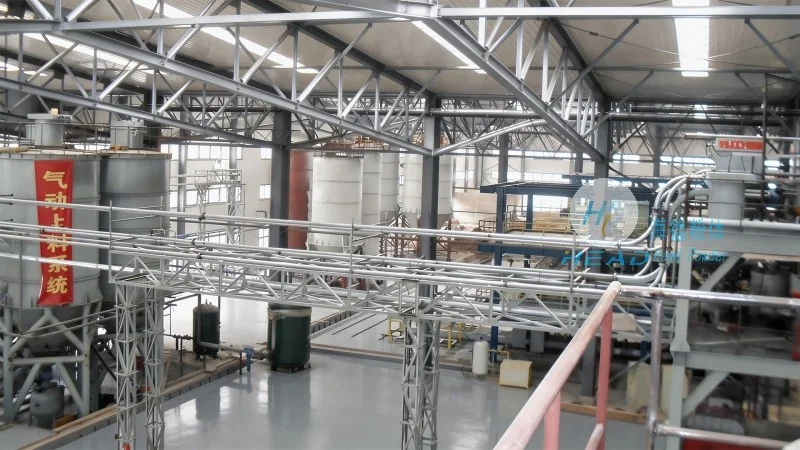
- Pharmaceutical and Chemical Industries: In these sectors, the material handling of potassium chloride requires high purity and minimal contamination. Pneumatic conveying systems provide a clean and dust-free method of transport, which is essential for maintaining product quality and adhering to regulatory standards.
- Agricultural Fertilizer Production: Potassium chloride is a common component in fertilizer blends. The systems are used to transport the material from storage silos to processing units or packaging lines, ensuring a continuous and efficient production flow.
- Food Processing: In food applications, the material is used as a nutrient supplement. The pneumatic conveying systems must meet food safety standards, with components that are easy to clean and maintain, ensuring no cross-contamination with other products.
Advantages and Considerations
Implementing a potassium chloride pneumatic conveying system offers several advantages, including:
- Efficiency and Speed: The systems enable rapid and continuous material transport, reducing downtime and increasing overall production efficiency.
- Space-Saving: Pneumatic conveying systems require less floor space compared to traditional bulk handling methods, making them suitable for facilities with limited area.
- Reduced Labor Costs: Automated systems minimize the need for manual handling, lowering labor costs and improving workplace safety.
- Environmental Benefits: By containing dust and preventing material spillage, the systems contribute to a cleaner and safer working environment.
However, there are also considerations to keep in mind. For instance, the system's performance is highly dependent on the material's properties, such as particle size, moisture content, and abrasiveness. Proper system design and maintenance are crucial to prevent issues like blockages, corrosion, and wear and tear.




