HeadPowder, a leading engineering company based in Shandong, China, specializes in the design, manufacturing, and implementation of advanced pneumatic conveying systems for industrial applications. This article provides a comprehensive overview of the classification of fly ash pneumatic conveying systems and their practical applications in various industrial sectors.
Introduction to Pneumatic Conveying Systems
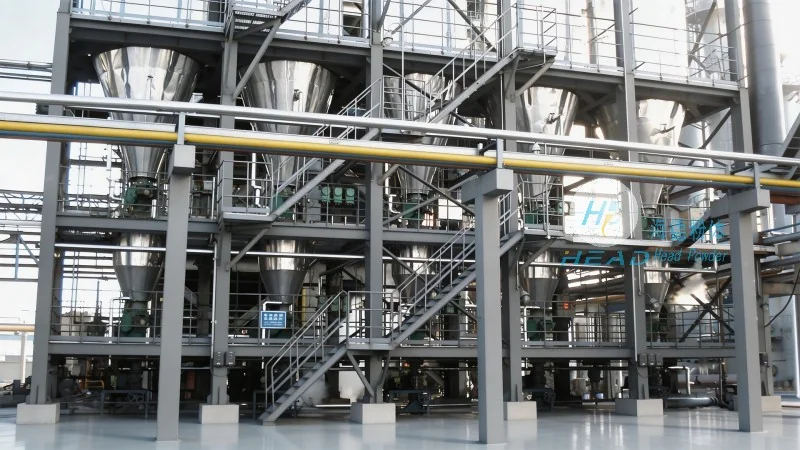
Pneumatic conveying systems are widely used in industries to transport bulk materials, such as powders and granules, over long distances with minimal human intervention. These systems utilize air or other gases to move materials through a pipeline network, offering advantages like high efficiency, flexibility, and reduced maintenance compared to traditional mechanical conveying methods. The classification of pneumatic conveying systems is primarily based on the pressure and flow characteristics, which directly impact their suitability for different material types and operational requirements.
Classification of Fly Ash Pneumatic Conveying Systems
Fly ash, a byproduct of coal combustion, is a fine powder that requires specialized handling due to its abrasive nature and potential health hazards. The classification of fly ash pneumatic conveying systems can be divided into several key categories based on operational principles and system design:
1. Positive Pressure Conveying Systems
Positive pressure systems are the most common type for fly ash transport. They operate by blowing air or a mixture of air and gas into the conveying line, creating a positive pressure environment that pushes the material forward. These systems are suitable for long-distance and high-capacity applications, as they can handle large volumes of fly ash efficiently. The design typically includes a blower, a hopper for material storage, and a pipeline network with appropriate valves and controls to regulate the flow.
2. Negative Pressure (Vacuum) Conveying Systems
Negative pressure systems, also known as vacuum conveyors, create a vacuum in the conveying line to draw material from the source. This method is ideal for applications where the material needs to be collected from multiple points or where the system is located at a higher elevation than the discharge point. Negative pressure systems are often used in environments where dust control is critical, as they minimize the risk of material spillage and air leakage. The system includes a vacuum pump, a collection hopper, and a filtration unit to ensure clean operation.
3. Hybrid Conveying Systems
Hybrid systems combine elements of both positive and negative pressure operations, offering flexibility in handling different material characteristics and operational scenarios. These systems can switch between positive and negative pressure modes depending on the requirements, making them suitable for complex conveying tasks. For example, a hybrid system might use positive pressure to transport fly ash from a storage silo to a processing plant and then switch to negative pressure to transfer the material to a final storage or disposal location.
Key Components of Fly Ash Pneumatic Conveying Systems
Regardless of the classification, modern fly ash pneumatic conveying systems consist of several critical components that ensure reliable and efficient operation:
1. Material Hopper and Feeder
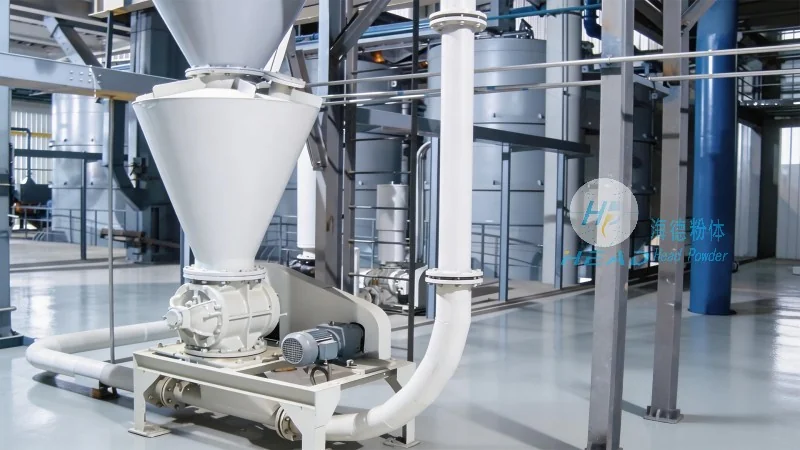
The hopper is the primary storage vessel for fly ash, designed to hold large quantities of material while maintaining a consistent feed rate. The feeder, typically a rotary valve or a screw feeder, regulates the flow of material from the hopper into the conveying line. This component is crucial for preventing material buildup and ensuring smooth material transfer. The design of the hopper and feeder must consider the abrasive nature of fly ash to minimize wear and tear.
2. Conveying Pipeline and Fittings
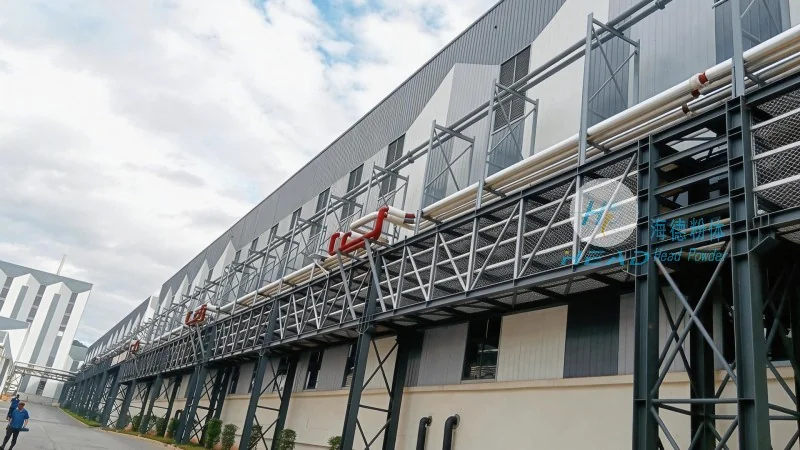
The pipeline network is the backbone of the pneumatic conveying system, responsible for transporting the fly ash from the source to the destination. The pipeline is usually made of stainless steel or other corrosion-resistant materials to withstand the abrasive and corrosive properties of fly ash. Fittings such as elbows, tees, and reducers are strategically placed to direct the material flow and maintain system efficiency. Proper pipeline design is essential to minimize pressure losses and ensure consistent material velocity.
3. Air Handling Equipment
The air handling equipment, including blowers or vacuum pumps, provides the necessary pressure or vacuum to move the fly ash through the pipeline. The selection of the air handling equipment depends on the system classification and the required conveying capacity. For positive pressure systems, high-pressure blowers are used to generate sufficient air pressure, while negative pressure systems rely on vacuum pumps to create the required suction. The equipment must be capable of handling the specific air volume and pressure requirements to ensure optimal performance.
4. Filtration and Dust Control Systems
Due to the fine nature of fly ash, effective filtration is essential to prevent dust emissions and maintain a clean working environment. The system typically includes a filter unit, such as a baghouse or a cartridge filter, to capture the fine particles and return clean air to the system or release it to the atmosphere. The filtration system must be designed to handle high dust loads and maintain long service life. Regular maintenance of the filter is crucial to ensure the system operates efficiently and complies with environmental regulations.
Applications of Fly Ash Pneumatic Conveying Systems
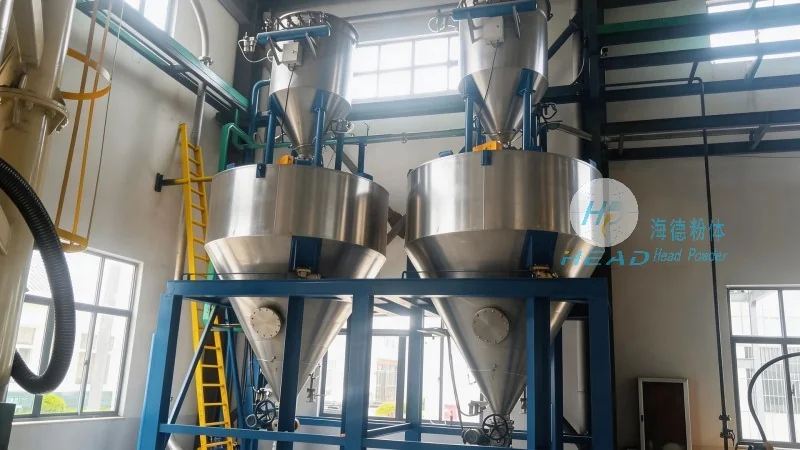
Fly ash pneumatic conveying systems are widely used in various industrial applications, including power plants, cement manufacturing, and construction material production. The systems are designed to handle the unique challenges associated with fly ash, such as its high moisture content, abrasive properties, and potential for dust generation.
1. Power Plant Applications
In coal-fired power plants, fly ash is a byproduct that needs to be transported from the boiler to a storage facility or a disposal site. Pneumatic conveying systems are used to transfer fly ash over long distances, often from the boiler to a silo or a landfill. The systems are designed to handle large volumes of fly ash and operate continuously, ensuring that the power plant can maintain its production efficiency. The positive pressure systems, in particular, are capable of transporting high-capacity flows over long distances, making them suitable for industrial applications where large quantities of material need to be moved.
2. Cement Manufacturing
Cement plants use fly ash as a supplementary cementitious material (SCM) to improve the properties of concrete. The pneumatic conveying systems are used to transport fly ash from storage silos to the cement production line. The systems must be capable of handling the fine particles and maintaining a consistent feed rate to ensure the quality of the cement. The negative pressure systems are often used in this application to minimize dust emissions and maintain a clean environment within the plant.
3. Construction Material Production
Fly ash is also used in the production of lightweight aggregates, bricks, and other construction materials. The pneumatic conveying systems are used to transport fly ash from storage facilities to the production line. The systems are designed to handle the specific requirements of each application, such as the required material flow rate and the distance to be covered. The hybrid systems are commonly used in this sector due to their flexibility in handling different material characteristics and operational scenarios.
Advantages of Using Pneumatic Conveying Systems for Fly Ash
Compared to traditional mechanical conveying methods, pneumatic conveying systems offer several advantages for fly ash transport:
1. High Efficiency and Capacity
Pneumatic systems can handle large volumes of fly ash efficiently, with minimal downtime. The positive pressure systems, in particular, are capable of transporting high-capacity flows over long distances, making them suitable for industrial applications where large quantities of material need to be moved.
2. Reduced Maintenance and Labor Costs
Unlike mechanical systems that require regular maintenance and manual intervention, pneumatic systems operate with minimal moving parts and can be controlled automatically. This reduces the need for frequent maintenance and lowers labor costs, making them a cost-effective solution for fly ash transport.
3. Improved Safety and Environmental Control
The enclosed pipeline design of pneumatic systems minimizes the risk of dust emissions and material spillage, improving workplace safety. The filtration systems also help in controlling air pollution, ensuring compliance with environmental regulations. This makes pneumatic systems an environmentally friendly option for fly ash transport.
Conclusion
HeadPowder Engineering Co., Ltd., based in Shandong, China, provides comprehensive solutions for fly ash pneumatic conveying systems, catering to the diverse needs of various industrial sectors. The company's expertise in system design, manufacturing, and implementation ensures that clients receive reliable and efficient solutions tailored to their specific requirements. By understanding the classification and applications of fly ash pneumatic conveying systems, industries can make informed decisions to optimize their material handling processes and enhance operational efficiency.




